Street Dance Meets Pro Wrestling in 'Lowelyfe: Turf Wars'
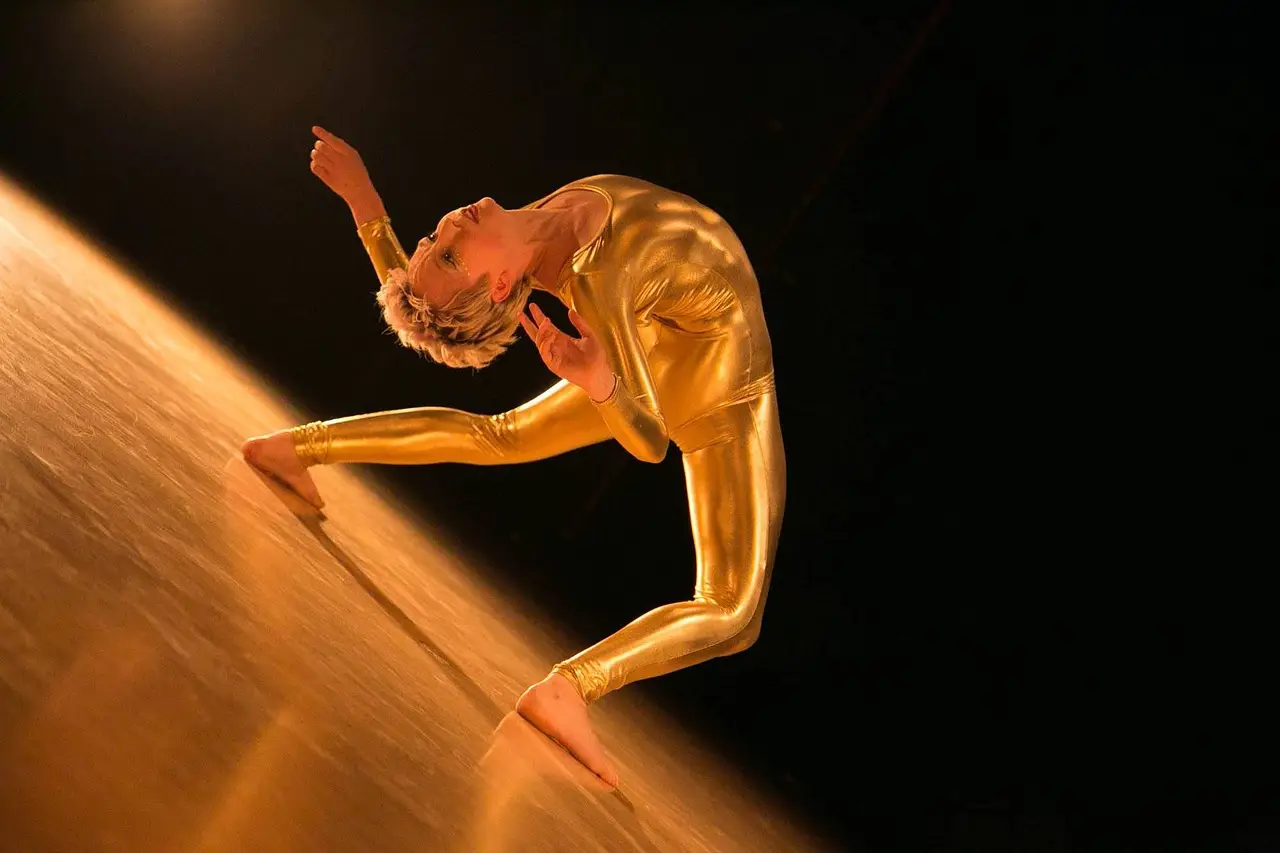
Choreographer Quilan "Cue" Arnold's episodic hip-hop series Lowelyfe: Turf Wars stages improvised street-dance battles inside a world losing its memories. The finale runs December 18 at Hunter College.
Programme
- Lowelyfe: Turf Wars is a three-part episodic hip-hop theater series hosted monthly at Hunter College, New York City.
- Episodes ran September 25 and October 30; the finale is December 18.
- The series stems from Arnold's grandmother, who had dementia and died in 2024.
- Scriptwriter Isaiah Godwin builds season arcs; dancers improvise within fixed 'Battle Blocks'.
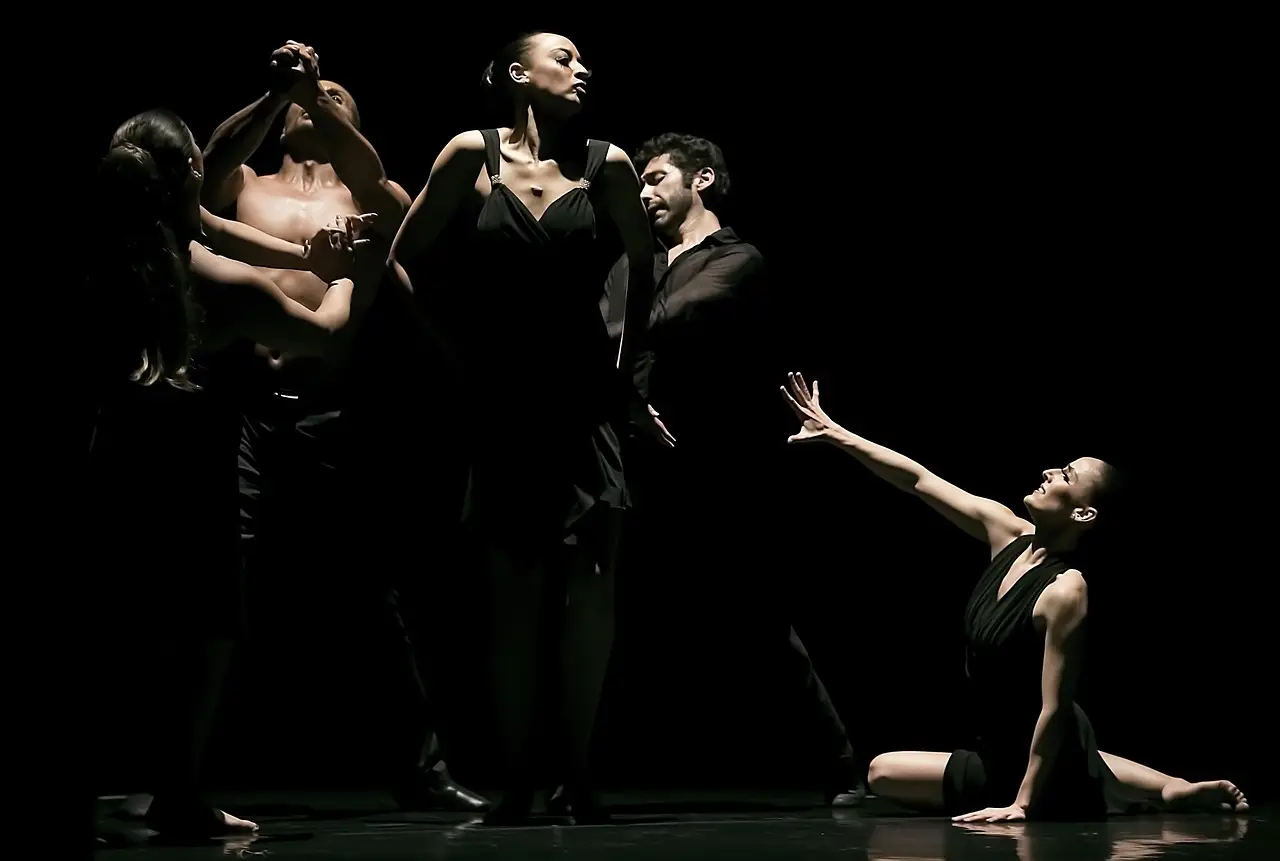
Choreographer Quilan "Cue" Arnold will close the first season of Lowelyfe: Turf Wars, a three-part episodic hip-hop theater series, on December 18 at Hunter College in New York City. The series opened on September 25 and continued October 30, with each monthly installment staging dance battles inside a speculative world where society is losing its ancestral memories.
The premise: a fractured community suffers collective amnesia, a condition the series calls "The Forgetting." The only cure is dance. Arnold describes the show as "tapping into all the things we do specifically as Black and brown people in the street and club dance community, using our movement to transcend, to ascend, to connect with liberating philosophies, to connect with the shoulders that we stand upon."
Where does the story come from?
Arnold built Lowelyfe on something personal. His grandmother suffered from dementia and died in 2024. As her condition worsened, her personality changed. She once complained constantly about the pro wrestling Arnold watched with his uncle — after the onset of dementia, she cheered for wrestlers Cody Rhodes and Roman Reigns.
That memory gave Arnold his formal toolkit. He borrowed pro wrestling's theatrics — heroes, villains, rivalries, the hero's journey — and layered in Afro-Usonian mythology, the martial arts of anime and video games, and street- and club-dance battle culture (improvised head-to-head rounds judged by the crowd and performers).
The wrestling logic shapes how each episode works. "One thing we've definitely taken from pro wrestling is this idea of scripted matches in the sense that we know who wins," Arnold says. "The cool thing about it is the process of how we get there, which is extremely improvisational."
How does a scripted battle stay improvised?
Arnold works with scriptwriter Isaiah Godwin to build macro-arcs for the season: who faces whom, why they're opponents, and which dance heroes drive the season forward. Each round is assembled from "Battle Blocks" — an introductory cypher (a circle where dancers take turns in the center), synchronized choreography, and individual battles.
With those blocks fixed, the dancers improvise in character to reach the next story beat. "We have the goal at the end of the tunnel, but then we create our own playground and path towards that goal," Arnold says.
The cast spans multiple street and club dance styles, and the format turns that range into cultural exchange. In one rehearsal, Arnold asked performers to deepen their understanding of their style's ancestry as a way into character. Performer Eli Mejia, a waacker, traced that style's legacy in queer culture and its roots in punking (a 1970s Los Angeles club dance from which waacking emerged).
"We all come from all over the world," Mejia says of the cast, "and just seeing how everyone receives information and approaches a task differently, and how we're all able to work together to create a full-on immersive battle, is really interesting."
What does this change for street dance theater?
Lowelyfe argues that club and street dance can carry long-form serialized storytelling, not just showcase rounds. Underneath each rivalry sits a community aim. "The club, the jam, these are our spaces to liberate," Arnold says. "We're constantly, through our dancing bodies, creating this other reality that we find freedom within."
The December 18 finale will test whether a season built on scripted outcomes can keep its improvisational engine running through a third round of battles.
Source: dancemagazine.com
More from Grace Kim
Show full bio
Correspondent covering technology and product news in arts in the broadest sense at Arts & Voices.
1,537 articles