David Reed's 'Terrible Idea' Pairs Paintings and Drawings at Rodder
David Reed: Terrible Idea at Rodder pairs paintings and drawings from 2013–2026, testing his 2010 vow to only make 'studio paintings' he never finishes.
Programme
- David Reed: Terrible Idea is on view at Rodder, showing works dated 2013 to 2026.
- The show is one of the few instances where Reed has exhibited paintings and drawings together.
- Reed cites Barnett Newman, Piero della Francesca and Giovanni Battista Tiepolo as influences.
- In a 2010 Brooklyn Rail interview, Reed said: "I almost feel like I never finish anything."
- The exhibition includes "#809" (2025–26), oil and acrylic on polyester.
By Elena Vasquez
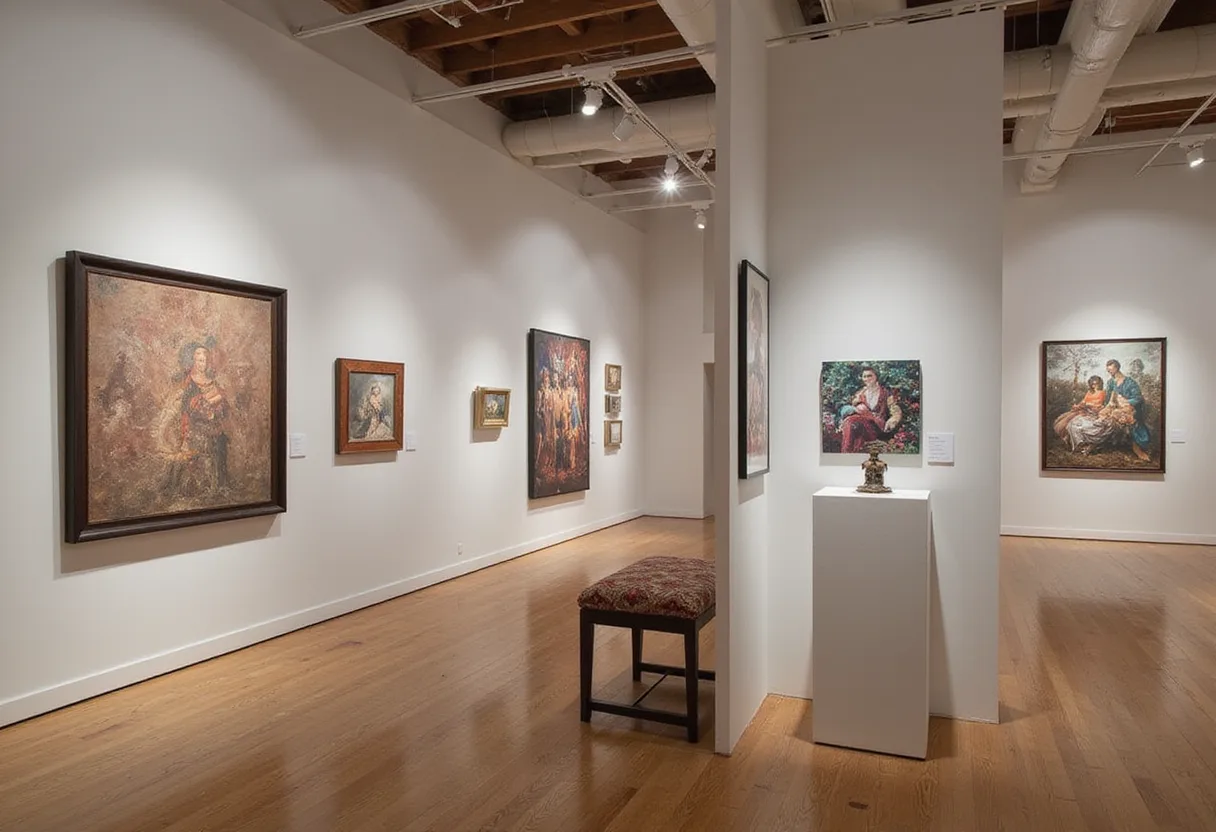
David Reed: Terrible Idea, now on view at Rodder, gathers paintings and drawings dated between 2013 and this year — one of the few times the artist has shown both mediums together. The exhibition takes its place in a career Reed has built on refusing to finish.
Reed names three unlikely companions for his investigations of color: Barnett Newman, Piero della Francesca and Giovanni Battista Tiepolo. From them, he draws lessons in opaque color forms, layered transparencies and figure-ground interactions. His list of influences does not stop at canon masters. He also cites "something someone said in his studio" and "an email regarding a painting he was working on."
The show includes recent work such as "#809" (2025–26), oil and acrylic on polyester — a medium and timeframe that signal Reed is still reworking surfaces others would call done.
What did Reed say about his own process?
In a 2010 interview, published in the Brooklyn Rail in conversation with the poet John Yau, Reed made two statements that frame this exhibition precisely. The first concerned process:
"My paintings are about process but hide the process. [Milton] Resnick spoke about what he called 'studio paintings'.... There are certain paintings that you make for yourself to advance your painting, to find out about painting, to do something different and new. I decided that I only wanted to make 'studio paintings'. I love to get a painting back and re-work it. Also it means they're strangely open in some sense. I almost feel like I never finish anything."
The declaration is blunt. Reed adopted Resnick's category of the "studio painting" — work made for the painter, not the market — as his only mode. The phrase "I never finish anything" reads less as confession than as method. The takeaway: for Reed, incompleteness is the condition that keeps a painting alive.
Why does Reed want to be a 'bedroom painter'?
The second 2010 statement shifts the register from studio to domestic interior:
"I want to be a bedroom painter. I like to look at my paintings as I'm falling asleep or waking up. I like the idea that other people would see them that way and would connect them to dreams, half-thoughts and musings, not just analytical thought and put them in that space between dreaming and waking. I think that's when paintings really enter you and become a part of you."
The claim argues for a specific mode of viewing. Reed wants his paintings received in the half-light between sleep and waking, where dreams and "half-thoughts" — not analytical thought — do the interpretive work.
Where the title comes from
The exhibition's title, Terrible Idea, carries Reed's self-ironizing stance toward his own ambition: committing entirely to "studio paintings," never finishing, and asking viewers to meet the work in a dream state. The comparison implied by the show's framing — going where Roy Lichtenstein wouldn't — positions Reed against Pop's cool closure. His surfaces stay open, reworked across years; "#809" spans 2025 to 2026, a single painting stretched over two calendar years.
The takeaway in plain words: Terrible Idea is a rare chance to see Reed's paintings and drawings side by side, and to test his 2010 claims against work made up through this year.
Original: brooklynrail.org
More from Elena Vasquez
Show full bio
Senior reporter covering technology and product news in arts in the broadest sense at Arts & Voices.
664 articles