Sanlé Sory's Colour Years opens at The Photographers' Gallery
The Photographers' Gallery opens Sanlé Sory: Colour Years on 14 October 2026, showing the Burkinabe photographer's later colour work and what curator Taous Dahmani calls a significant shift.
Programme
- Sanlé Sory: Colour Years runs at The Photographers' Gallery, London, from 14 October 2026 to 21 February 2027.
- Curator Taous Dahmani says the colour work holds 'quite a significant shift in what we know about the history of West African practice.'
- Sory's archive contains 'thousands and thousands' of later colour negatives, many never printed beyond their original commission.
- The accompanying book is published by GOST, priced £45.
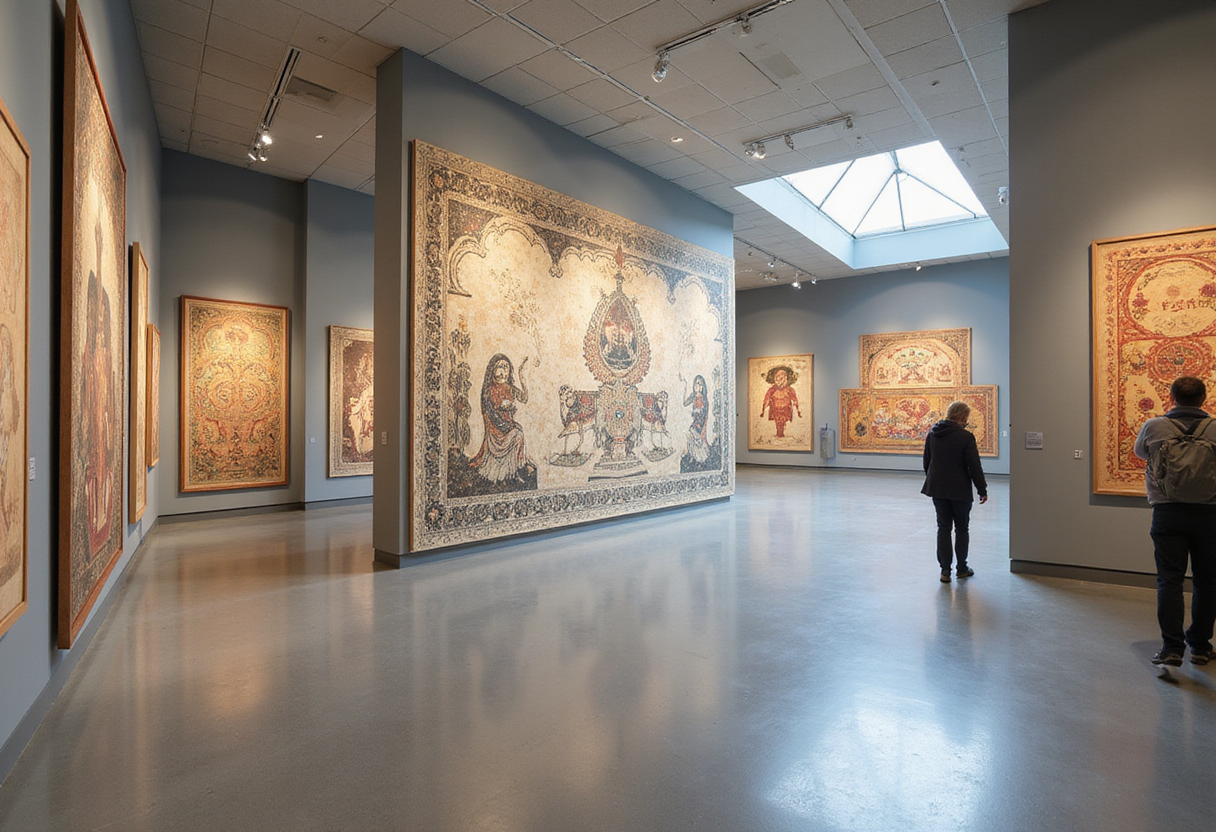
Sanlé Sory's later colour work goes on display at The Photographers' Gallery in London from 14 October 2026 to 21 February 2027. The exhibition, Sanlé Sory: Colour Years, presents images from the Burkina Faso studio photographer's archive that curator Taous Dahmani says hold "quite a significant shift in what we know about the history of West African practice."
Dahmani's answer to why the show, and why now, is blunt: "Because I'm here now."
What does the exhibition change?
Dahmani, the TPG curator, states she "had always wanted to think about the long tradition of West African studio photography as a global surface." She rejects dominant Western readings that frame these photographers as historical events rather than living beings — a reading she says "refuses entry into contemporality" and perpetuates "acceptable forms of nostalgia about this past of liberation, a call to the time 'when we liberated poor Africans'."
Sory's archive holds "thousands and thousands" of later colour negatives, many never printed beyond their original commission. Dahmani asks why, and steers toward what she calls a "re-anchoring" of the work. The colour images mark a move away from the black-and-white portraits of the 1960s and 70s — the pictures most often shown in the West.
"For me, colour became the starting point," she says. "Can we think critically about this history through the lens of colour? Can we think of it as a form of politics? Most of the pictures we know are from the 1960s and 70s. Postcolonial moments of aspiration, of joy… at least that's how it's sold. Moments of 'Finally, the freedom of the African people!' But it stops there. No one wonders what happens after."
Who made these images — and how?
The exhibition presents Sory as a master craftsman working for pay, not an artist seeking to disrupt the canon. The photographs were wholly commissioned artefacts, and the conditions of their making mattered.
"Sory printed in black-and-white, but when colour became more accessible, clients asked for it," Dahmani explains. "It was more expensive, and he suddenly couldn't work alone." For Dahmani, both sitter and printer become producer and collaborator.
Cameraphones eventually arrived and demand for commissioned portraits slowed. Sory's later portraits of street vendors, personable and direct, grew out of that shift. Clients also stopped wanting his famed illustrated backdrops. "They wanted to be part of a new technology, and a new capacity of being seen," Dahmani says.
What can the sitters tell us?
Dahmani traces the sitters' stories through historical relocations. Every so often, someone dressed fancifully for the camera is "wearing a suit slightly too small, their shoes maybe unvarnished." She moves away from a fashion-first reading toward socially informed style studies — an analysis of hand-me-downs and counterfeit designerwear.
This, she argues, aids an understanding of universality rather than exotic idiosyncrasy, while remaining a deeply African story. She criticises the Western art tendency to turn African nations into islands, dislocated from neighbouring, concurrent histories — a "dictated, fetishised history" the market embraces but which brings viewers no closer to understanding the images or the people in them.
"I now don't have to prove that photography is an art form," Dahmani states. "But I do want to get back to the fact that actually, historically, there were things that we were too quick to put into one category, instead of allowing them to be a multiplicity of things. And I don't think we often allow African artists to be a multiplicity of things."
Sanlé Sory: Colour Years runs at The Photographers' Gallery, London, from 14 October 2026 to 21 February 2027. GOST publishes the accompanying book, priced £45 — a signal that Sory's colour decades, long unprinted, are now entering circulation alongside the black-and-white work that made his reputation.
Original: 1854.photo
More from Tom Whitfield
Show full bio
Market editor covering industry trends and analytics at Arts & Voices.
367 articles