Deloyd Elze Turns Typewriter Notes Into “Digital Twang”
Deloyd Elze’s “Yamaha 250” turns Hollywood typewriter notes and Ableton drum programming into “digital twang,” pairing country instruments with live drums.
Programme
- Deloyd Elze, whose real name is Jacob Henry Allen, released “Yamaha 250” as a new single with a video.
- The track combines acoustic guitar, synthesizer, banjo, bass, pedal steel and a Roland SP-404MKII sampler.
- Elze wrote daily observations on an old typewriter while living in Hollywood and working construction.
- His EP ‘Nellene’ and its expanded edition are available through Concord Records.
- Live appearances include SXSW and opening for Orville Peck at the Hollywood Bowl.
By Daniel Okafor
Deloyd Elze has released the new single “Yamaha 250” with a video. The song grew from typewriter notes, Ableton drum programming and live drums. Elze, whose real name is Jacob Henry Allen, is a Florida-born, California-based songwriter. He calls his sound “digital twang.” The phrase is plain enough. The record is stranger. In that world, banjos share space with electronic rhythms and pedal steel mingle with synthesizers. Everyday experiences become stories worth singing about. On “Yamaha 250,” those methods meet in a country song built with electronic rhythms.
What sits inside “Yamaha 250”?
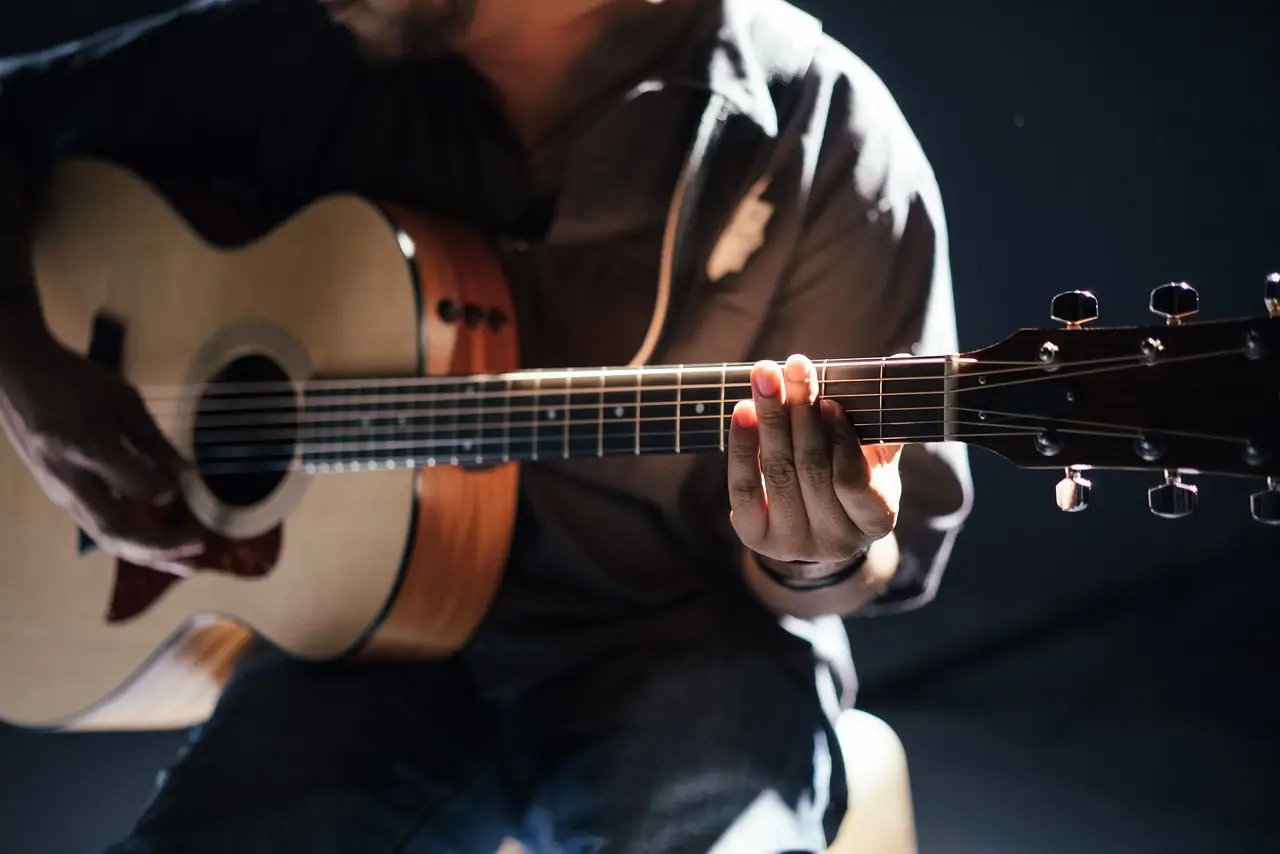
According to Elze’s description, acoustic guitar and synthesizer establish the song’s foundation. Banjo, bass, pedal steel and a Roland SP-404MKII sampler then join the arrangement. Across the finished recording, programmed pulse, acoustic strings, plucked banjo, sampled material and human drum strokes occupy distinct but deliberately related spaces within the mix. He built the music around the exchange between programmed beats and live drums. Elze describes that exchange as a conversation between mechanical precision and human performance. The tension gives the recording its character. It also rewards attention beyond a quick genre label. The unusual lineup sounds lived-in, which is harder to manufacture.
Where did “Yamaha 250” begin?
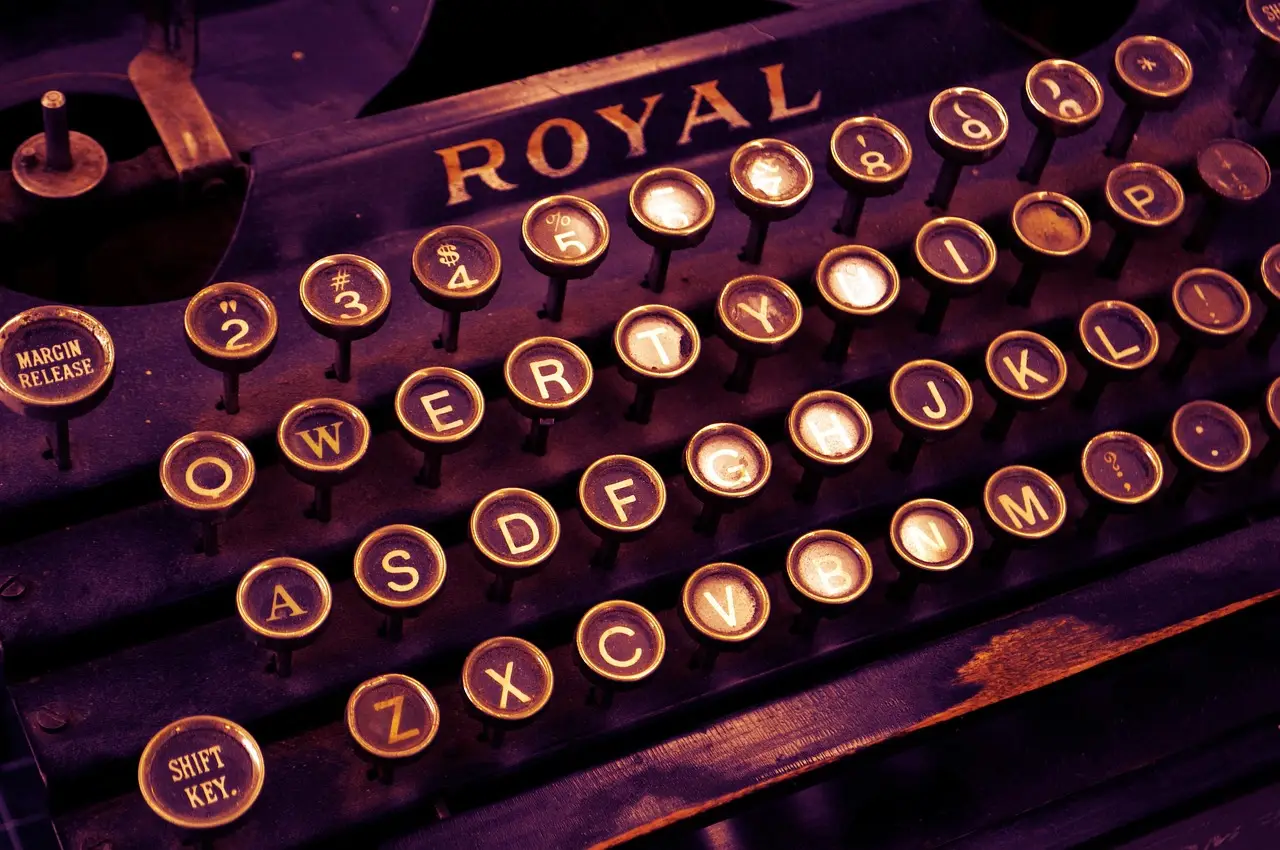
Elze says the song grew from a creative period in Hollywood, where he lived and worked construction. He had picked up an old typewriter at a local thrift shop. He wrote observations every day, either before work or after returning home. Those notes became snapshots of Los Angeles and its contrasts. In Elze’s telling, Los Angeles supplied snapshots of ambitious dreamers, working people and countless stories unfolding simultaneously, all held together by his daily routine of observation. He gradually assembled fragments from old poems, short stories and those personal observations. The resulting narrative follows his adjustment to a new city and his navigation of complicated family and romantic relationships. One central image came from an empty dining table in his apartment. He noticed it while searching for a line to connect the story. The detail is modest. The song makes it carry weight. That is Elze’s songwriterly method in miniature.
How did the electronic rhythm take shape?
Elze credits a drum-programming technique created by his friend Wilter. He used Ableton drum racks designed to approximate the unpredictable rhythms of electronic pioneers Autechre. He first built a guitar riff over the programmed beats, then added live drums. The result places mechanical precision in conversation with human performance. The programmed and live kits do not simply duplicate each other. His Florida childhood, work on boats and construction sites, swamps and colourful characters supplied vivid material for both traditional storytelling and adventurous production throughout his music. His stated influences stretch from John Prine and Ry Cooder to MJ Lenderman, Bon Iver, Dijon and Mk.gee. His Florida upbringing and deep Southern roots remain audible. He also values the musical traditions of the American South.
What does the wider release establish?
His EP ‘Nellene’ and its expanded edition are available now through Concord Records. The pair introduces listeners to a songwriter working inside country traditions while testing contemporary recording technology. Elze’s live schedule includes performances at SXSW and an opening appearance for Orville Peck at the Hollywood Bowl. Those dates extend the project from studio production into live performance. He keeps the guitar, banjo and pedal steel plainly audible. The electronic apparatus does not replace them. It tests how much friction they can absorb. “Yamaha 250” therefore sounds less like a rejection of Americana than a practical expansion of it. Elze retains a storyteller’s eye for ordinary details, a producer’s curiosity about sound and an affection for Southern musical traditions. For the wider ‘Nellene’ release, the test is whether this friction between roots and machinery survives outside one unusually vivid song rather than becoming a one-off device.
Source: thatericalper.com
More from Daniel Okafor
Show full bio
News editor covering companies, deals and strategy in arts in the broadest sense at Arts & Voices.
1,247 articles