Dianne and Jim Bess give 600 thrift-store discards an afterlife
Voice Gallery presents BessDiscardia: The Afterlife of Discarded Objects, 600 one-of-a-kind sculptures by Dianne and Jim Bess, made from two years of thrift-store finds.

Programme
- The exhibition comprises 600 one-of-a-kind sculptures.
- Dianne and Jim Bess shopped thrift stores coast to coast for two years.
- All 600 sculptures received quirky titles.
- The show runs November 3-27 at Voice Gallery in La Cumbre Plaza.
- Voice Gallery says the couple have collectively been creating art for more than 158 years.
By Daniel Okafor
Voice Gallery credits Dianne and Jim Bess with 600 one-of-a-kind sculptures made from thrift-store castoffs in BessDiscardia: The Afterlife of Discarded Objects. Voice Gallery's listing gives the dates as November 3-27 and the address as Voice Gallery at La Cumbre Plaza, 100 S. Hope Ave., Unit H124. Details appear at bessdiscardia.com.
For two years, the couple shopped thrift stores from coast to coast, according to the gallery's exhibition notes. They rescued bizarre, whimsical, forgotten and inexplicable objects, then paired unlikely companions. The improbable combinations became sculptures, and all 600 received a quirky title.
The premise punctures the usual thrift-store search for something useful. Voice Gallery says Dianne and Jim went “looking for trouble,” turning thrift-store castoffs into ready-made companions for an exhibition. Humor supplies the entry point. The gallery describes the result as funny, irreverent and deliberately hard to categorize.
Who decides what has value?
Voice Gallery poses its central question directly: “Who decides what has value – and when does something discarded become worth saving?” It invites visitors to look, laugh, disagree and reconsider their definition of art.
The question fits the method neatly. An object gains a companion, then a title, then a place among 600 sculptures. Its status changes before the viewer reaches a verdict. That sequence is the exhibition's most persuasive argument. It lets the objects, rather than explanation, carry the claim.
How do thrift-store finds become 600 sculptures?
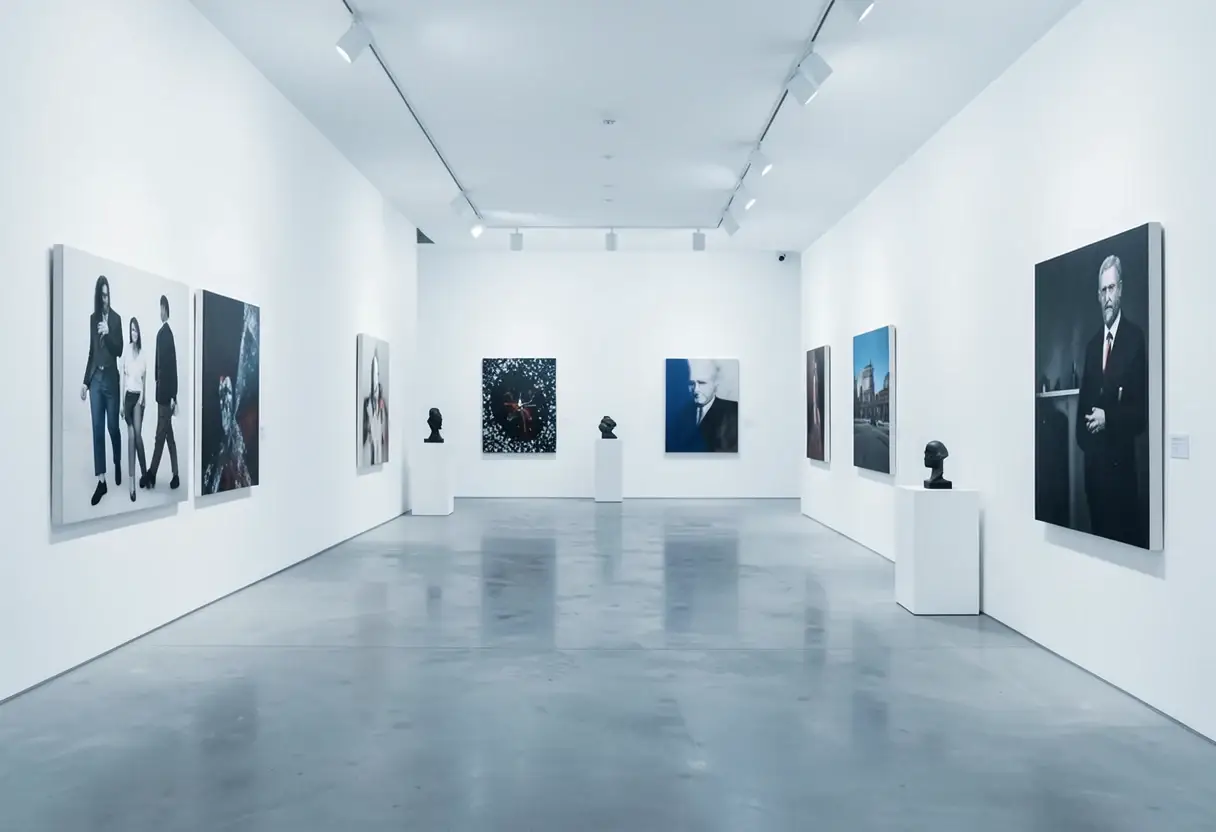
The display resembles a thrift-store shelf under the control of a mischievous curator. Each sculpture begins with rescued objects paired as unlikely companions, the gallery says. Every work is one of a kind, and the full count reaches 600. Each work therefore stages a discarded object's former life against its new identity.
One practical objection remains: the show's ethical claims depend on each transformation doing more than arranging a pleasing mismatch. A single joke can charm. Six hundred repetitions could harden into a viewing method. The refusal to settle into one category keeps the proposition in productive tension.
Voice Gallery says the project alludes to consumerism and the awful impact it has on the planet. That claim gives the jokes an ethical target without turning every discarded object into a lecture. The gallery notes that the source objects might otherwise have remained forgotten on a thrift-store shelf or ended up in a landfill.
The afterlife promised by the title operates through material reuse: what was discarded becomes the basis of a new sculpture. The joke and the argument therefore share the same mechanism. A castoff arrives with a former function, receives an unlikely partner and enters a new category. Whether that makes it art remains the viewer's problem.
What history does the project claim?
Voice Gallery says Dianne and Jim have collectively been creating art for more than 158 years. It presents BessDiscardia as possibly their most audacious undertaking yet. That pedigree is grand. The thrift-store starting materials refuse grandiosity. Their overlooked status gives the show's reach a useful counterweight.
Across 600 individually titled works, the curatorial idea becomes more legible than any single success. Voice Gallery asks visitors to bring their own definitions of usefulness, value and art into the room. Disagreement, in this setup, is evidence that the exhibition has done its job.
Before November 27, visitors can test the premise themselves: inspect what was discarded, debate its value, and decide whether pairing changes its status. The point is plain. Context can make a castoff harder to dismiss, and perhaps harder to discard.
Source: independent.com
More from Daniel Okafor
Show full bio
News editor covering companies, deals and strategy in arts in the broadest sense at Arts & Voices.
1,140 articles