Barry McGee brings 200-plus works to Jeffrey Deitch in LA
Barry McGee’s “Another Round” brings more than 200 works to Jeffrey Deitch, linking boxcar graffiti, his painted “geezers” and artists spanning generations.
Programme
- “Another Round” opened at Jeffrey Deitch on Oct. 30 with more than 200 McGee works.
- McGee, 60, began writing graffiti in San Francisco in the early 1980s as Twist.
- During an October trip from Marin County, McGee drove a Chevy Astro van and marked freight cars with white crayon.
- The exhibition includes work by scores of artists decades younger and a few older artists.
- McGee has collaborated with Meta, Adidas and Beats by Dre.
By Marcus Bennett
Barry McGee’s “Another Round” opened at Jeffrey Deitch in Los Angeles on Oct. 30 with more than 200 of his paintings, sculptures and photographs.
McGee, 60, had driven his Chevy Astro van from his home in Marin County, Calif., to Los Angeles in October to install the exhibition. He stopped in train yards along the way. There, he used a white crayon to write invented graffiti monikers on the sides of freight cars.
How did McGee move from Twist to the gallery?
McGee cut his teeth as a graffiti writer in San Francisco in the early 1980s, under the pseudonym Twist. In the next decade, he found success by showing paintings and drawings in galleries under his own name.
His gallery work included colorful paintings of tessellated grids and hand-lettered signs for fictional businesses. In his 20s, he also began making pictures of older men, both legally and on public walls. Their features melted and their expressions looked exhausted. McGee calls these men “geezers.”
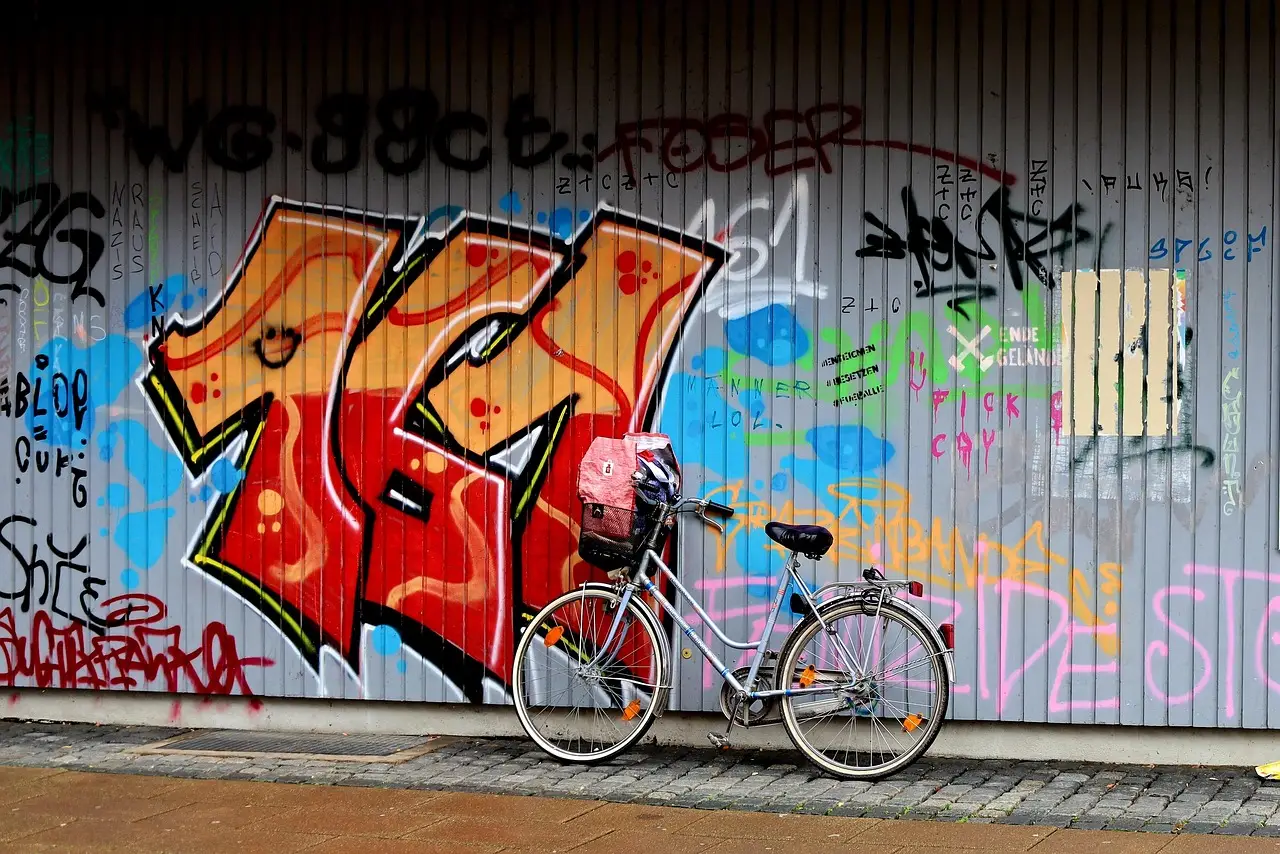
The boxcar tradition reaches further back than the “wildstyle” throw-ups and spray-painted subway trains that became familiar features of later graffiti. Since the 1800s, itinerant men, called tramps or hoboes, have written their names or insignia on the boxcars they hopped across the country. McGee is an aficionado of this old-fashioned genre.
His October train-yard stop continued the practice while he traveled to install the exhibition. The marks were small, improvised and made with white crayon. The exhibition itself brought more than 200 works into a blue-chip Los Angeles gallery.
What credibility has McGee built?
At 60, McGee has become one of street art’s elder statesmen, an influential and well-loved figure. He has retained credibility with a younger generation despite exhibiting in blue-chip galleries and undertaking corporate collaborations with Meta, Adidas and Beats by Dre.
His reputation now spans commercial gallery display, corporate work and a graffiti practice rooted in San Francisco and freight cars. Those facts sit together without requiring a choice between institutional stature and street credibility.
What does the mix of artists change for “Another Round”?
For the exhibition, the mix changes the scale of the conversation. The packed show places McGee’s more than 200 paintings, sculptures and photographs alongside work by scores of artists decades younger and a few older. McGee’s biography supplies the connective line: early-1980s writing in San Francisco, freight-car inscriptions and images of exhausted “geezers.”
McGee is a night owl. During one of several recent video calls in the small hours, I asked whether he identifies with the geezers he paints and with the train-hopping hoboes on whom many are based. “Unfortunately, yes I do,” McGee replied.
His October train-yard stop provides the clearest answer to what the exhibition is doing. He wrote invented monikers with white crayon before bringing more than 200 works to Jeffrey Deitch. The sequence presents graffiti history as an active proposition, not a retrospective confined to finished objects. It also makes the practical difference clear: artists decades younger and a few older now show alongside McGee, whose career connects blue-chip galleries, corporate collaborations and the old boxcar tradition.
Source: NYT Arts
More from Marcus Bennett
Show full bio
Staff writer covering people, launches and day-to-day practice in arts in the broadest sense at Arts & Voices.
1,189 articles