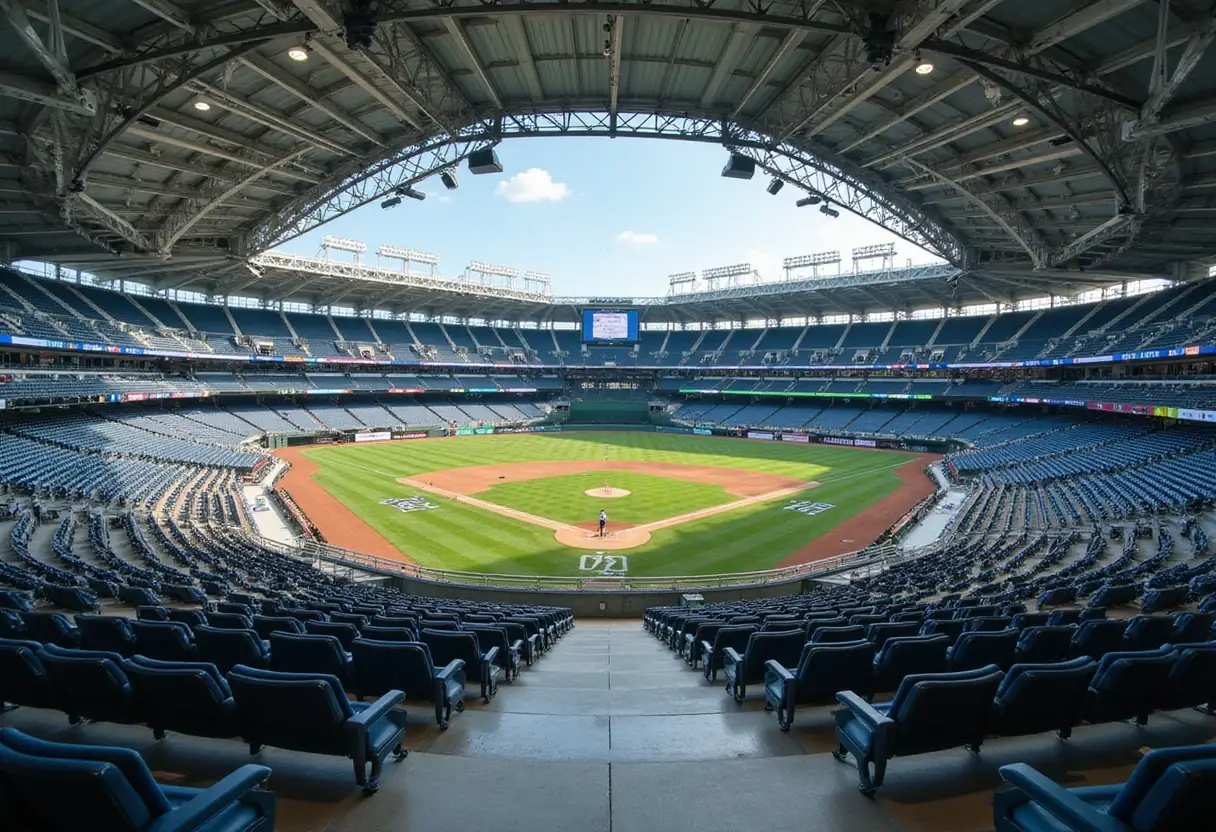
Dodger Stadium at 63: Sunset Seats, LAX Tiles and a Staff Botanist
Dodger Stadium opened in 1962, seats 56,000 and has hosted 12 World Series. Its sunset-toned seats, LAX-inspired tiles and staff botanist tell a design story.
Programme
- Dodger Stadium opened in 1962 and seats 56,000 fans.
- It is MLB's third-oldest ballpark, behind Fenway Park and Wrigley Field.
- The Dodgers won the World Series in 2024 and 2025, then were eliminated by Milwaukee in 2025-26 playoffs.
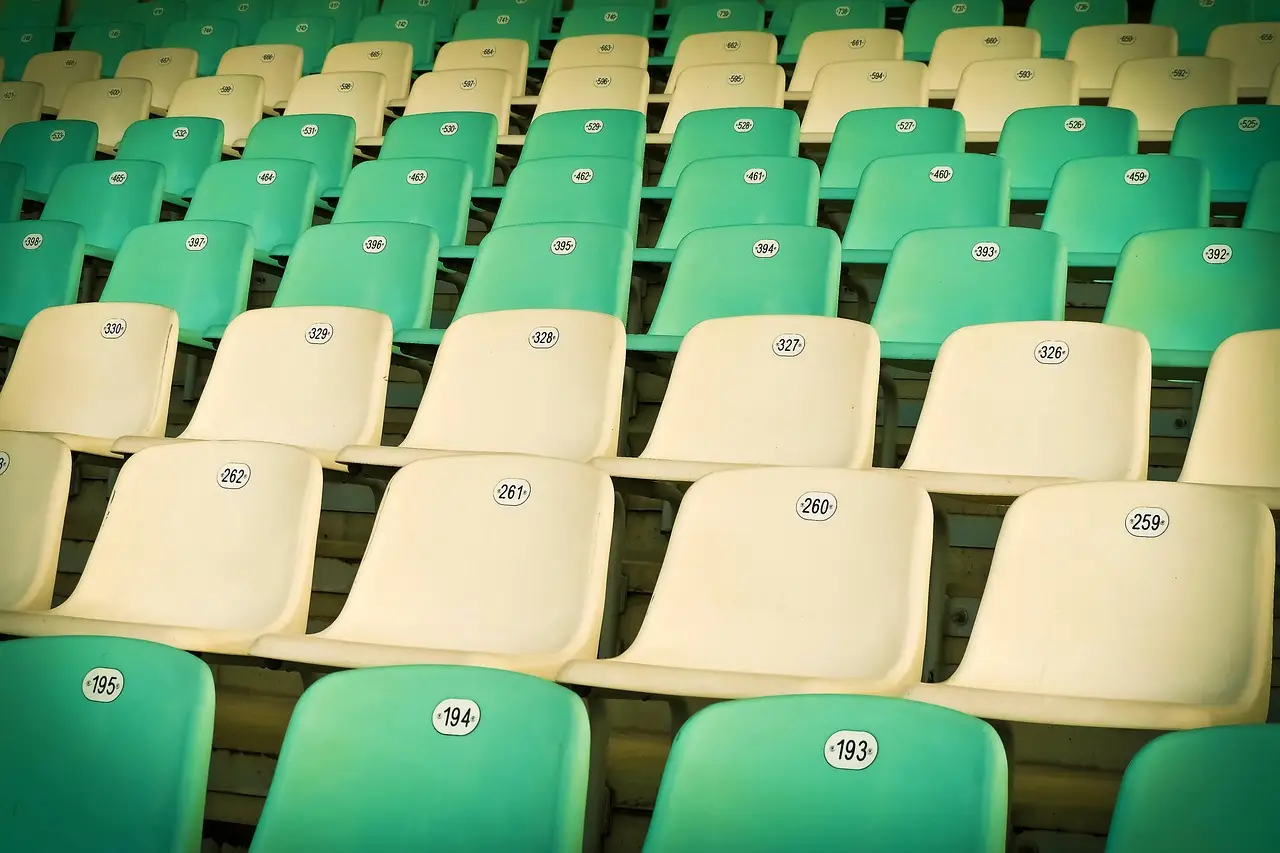
- Seat colors by architect Emil Praeger mimic a sunset, per exec Janet Marie Smith.
- The LA Dodgers are the only MLB team with a staff botanist; grounds hold 100-plus 'champagne bowl' planters.
Dodger Stadium opened in 1962, seats 56,000 fans, and has now hosted games in 12 World Series — including the championships the Los Angeles Dodgers won in 2024 and 2025. Those are the hard numbers. The softer story, laid out in a new installment of AD's Inside History video series, is how a Brooklyn team's fallback option became one of baseball's most designed venues.
"The city of Los Angeles was the ultimate Plan B for the Brooklyn Dodgers," team historian Mark Langill says in the video. The club had played in a small ballpark in Brooklyn's Flatbush neighborhood. Then team president Walter O'Malley saw the freeway access leading to Chavez Ravine, a canyon just north of downtown LA, and decided it'd be "the perfect place" for a stadium in a league of its own.
The venue is now the third-oldest ballpark in Major League Baseball, behind Fenway Park (Boston Red Sox) and Wrigley Field (Chicago Cubs). The Dodgers hoped for a historic three-peat this year — no team had won three consecutive World Series since the New York Yankees in 2000 — but the Milwaukee Brewers eliminated them in the playoffs.
Why are the seats yellow, orange, turquoise and blue?
The stadium's pastel seating isn't decorative whim. Architect Emil Praeger arranged yellow chairs at field level, rising through orange and turquoise to sky blue at the top. "The choice of the colors was selected to mimic the sunset," says Janet Marie Smith, the Dodgers' executive vice president of planning and development.
How do 56,000 people find their cars?
Every entrance "is marked by something different," Smith says. Landmarks include oversized Dodgers bobbleheads. The front of the stadium carries a bronze statue of Jackie Robinson, who broke Major League Baseball's color line in 1947, alongside quotes chosen with his widow, Rachel Robinson, and daughter, Sharon. They sit out front because his "power and impact on America wasn't just on the playing field," Smith says.
What does the clubhouse have to do with the movies?
A hallway serving as the entrance to the players' clubhouse draws on the tile mosaics at Los Angeles International Airport — mosaics that appeared in 1967's Point Blank and 1997's Jackie Brown. "We wanted to give honor to Janet Bennett, who designed the mosaics at LAX," Smith says. Players arriving from the airport may feel they never left.
Where did all the hexagons come from?
The hexagonal signs bordering the field were created to "mimic the scoreboard," Smith says, because the stadium needed advertising space. The six-sided shape recurs across the venue — some of it only realized in 2013, when additions were built from sketches laid out in 1959. "We're really pleased to have finally finished things that were authored half a century ago," Smith says.
Why does a baseball team employ a botanist?
In 1963, O'Malley invested in landscaping that grew into botanical gardens outside the gates. "We're so proud of having the only botanist on staff of any Major League team," Smith says. The grounds hold more than 100 concrete planters shaped like oversized martini glasses — "champagne bowls" — that the landscaping crew has "lovingly restored" over the years.
Sixty-three years on, the stadium is still finishing its own blueprints. That's patience, or stubbornness. At Chavez Ravine, they've rarely been distinguishable.
Original: youtube.com
More from Daniel Okafor
Show full bio
News editor covering companies, deals and strategy in arts in the broadest sense at Arts & Voices.
732 articles