Dougie Wallace's 'Ma Wee Tin o' Shortbreid' Photographs the Highlands the Tin Lid Never Shows
Dougie Wallace has driven 5,000 miles over 60 days photographing the Highlands the shortbread tin never shows — queues, coach parks and 14,000 motorhomes near Durness.
Programme
- Dougie Wallace's project 'Ma Wee Tin o' Shortbreid' spans 60 days and 5,000 miles of travel in a camper van.
- About 14,000 motorhomes and nearly 11,000 tents pitched within five miles of Durness over one July–August period.
- The NC500 route, launched in 2015, markets 516 miles of road.
- Sea eagles were shot to extinction in Britain by 1918 and reintroduced from Norway in the 1970s.
Photographer Dougie Wallace has spent 60 days and 5,000 miles in a camper van photographing the gap between the Highlands as advertised and the Highlands as found. The project is called Ma Wee Tin o' Shortbreid — Scots for "my little tin of shortbread" — and the title is a warning he gave himself: don't make the Highlands look like a biscuit tin.
Where does the title come from?
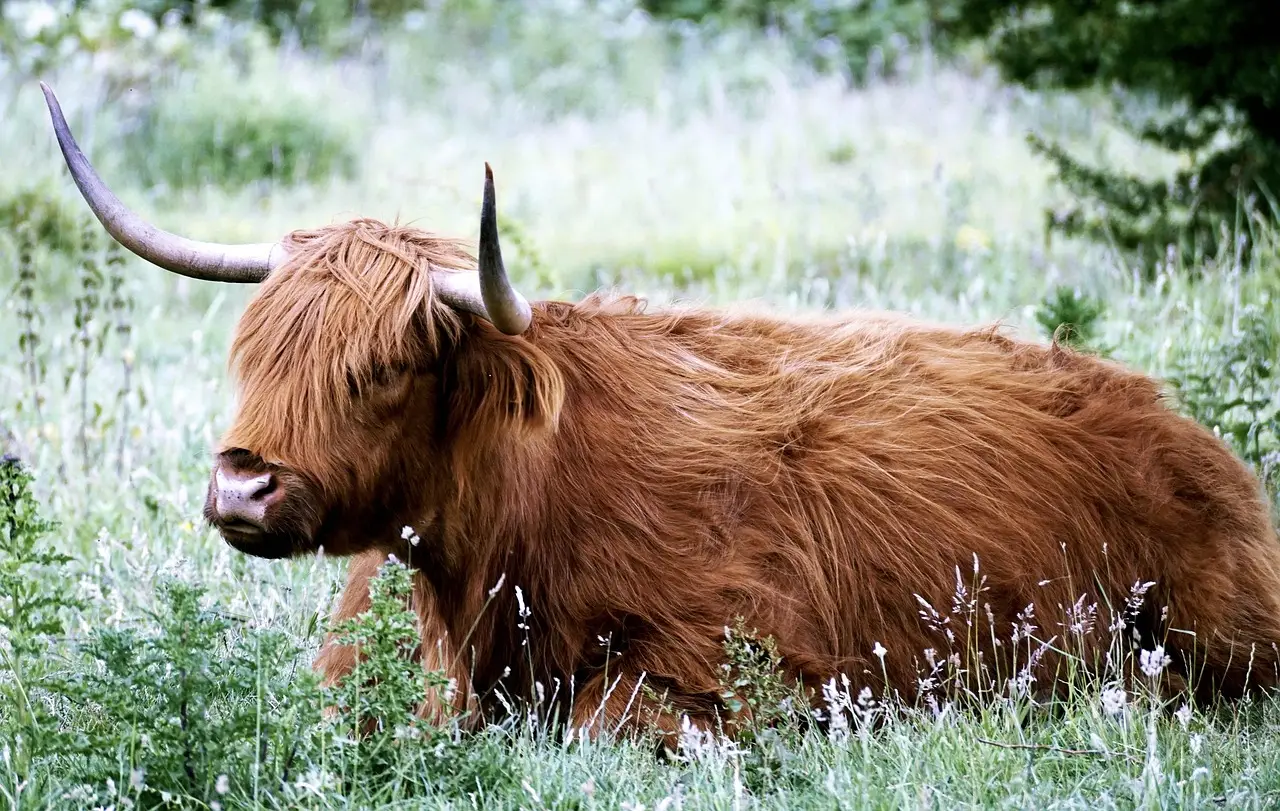
Wallace grew up in Scotland, in a family that kept its photographs in an old shortbread tin. The lid showed the standard set: a castle beside a loch, a stag, a Highland coo, plenty of tartan, and perpetual sunshine. The breakthrough came at Eilean Donan Castle — "about as biscuit-tin lid as it gets" — where he photographed a Chinese tourist under a small umbrella, remaking the view for her own picture. The warning became the title.
The work also has a predecessor. Wallace says the project grew out of Weather Permitting, his photographs of Scotland's ski centres.
What does the camera actually find?
Visitors, mostly. They arrive looking for a Scotland they've seen on screens, he writes, and "come for wilderness and find a queue, a coach park and a wait for somebody to move out of the frame." One of his pictures shows a bus that leaves Edinburgh every morning to "do the Highlands in a day" — with most of that day spent on the bus. Another shows Glencoe seen through the window of a Heilan coo, the shaggy Highland cow that has itself become a rolling viewpoint.
He keeps returning to who is behind the camera. At the famous sites he noticed how many visitors were Chinese and Indian, "from countries Britain once ruled, traded with or fought." They were photographing the familiar symbols of old Scotland. "This time, Scotland was the attraction, and they were the ones behind the camera."
Even the wildlife carries the theme. Sea eagles were shot to extinction in Britain — the last one in Shetland in 1918 — then brought back from Norway in the 1970s. Now, Wallace notes, a bird once shot on sight is part of the sales pitch. The lid promises wilderness and wildlife; the real version "comes with binoculars and a long wait."
What does this change for the NC500?
The North Coast 500 (a 516-mile scenic driving route) was launched in 2015 to sell an empty road. It worked, and the numbers show how well. Over July and August one year, about 14,000 motorhomes and nearly 11,000 tents pitched within five miles of Durness — a village where a few hundred people live.
Wallace has driven the route in both directions and been to Skye five times, much of it stuck behind a motorhome. His critique is precise rather than scolding. "An empty road makes a good advert," he writes. "Everyone driving down it makes a different picture." Passing places become car parks, viewpoints become campsites, and the open road can end at a full layby or a No Motorhomes sign. Even the freedom pitch of camper-van life collapses on contact with logistics: "Freedom, it turns out, needs a booking reference."
The emptiness itself, he points out, was manufactured. Highland regiments fought the empire's wars while the glens were cleared for sheep and sporting estates. "The view people come for was somebody's home."
Even the weather is now merchandise. Cool air and rain have become part of the escape — in what Wallace calls London's hottest summer ever, Londoners drove north to buy the cold and wet, though "a week of horizontal rain may test the sales pitch."
Why photograph it now?
Tourism brings work and money, Wallace acknowledges, but it also needs people who can afford to live close enough to keep the place running. Between No Motorhomes and No More Homes signs, he writes, it's getting harder for anyone to stay.
The route has existed for just over a decade, and Wallace frames the project as a record taken at a tipping point: "What will it look like in another 10 or 20 years? Part of making these photographs is recording this moment, before we find out."
His own conclusion is blunt. "I set out not to photograph the shortbread tin," he says. "I kept finding people trying to climb inside it."
Source: theguardian.com
More from Grace Kim
Show full bio
Correspondent covering technology and product news in arts in the broadest sense at Arts & Voices.
1,537 articles