Istanbul after dark: Çağla Polat finds solitude in fog and neon
Istanbul-based photographer Çağla Polat turns fog, rain, neon and anonymous figures into studies of solitude, editing in Lightroom without presets and revisiting images for weeks.
Programme
- At 18, Polat began experimenting with photography and first used her phone.
- Her palette includes deep teal shadows, electric reds, burnt oranges and muted purples.
- She edits in Lightroom without presets and revisits images after weeks or months.
- At least three named influences are Greg Girard, Todd Hido and Henri Prestes.
By Marcus Bennett
At 18, Istanbul-based photographer Çağla Polat began photographing Istanbul’s streets after dark on her phone. Design You Trust’s profile frames her practice against the tendency of most people to stay indoors, which prompts Polat to go outside with a camera.
Finding the city at night
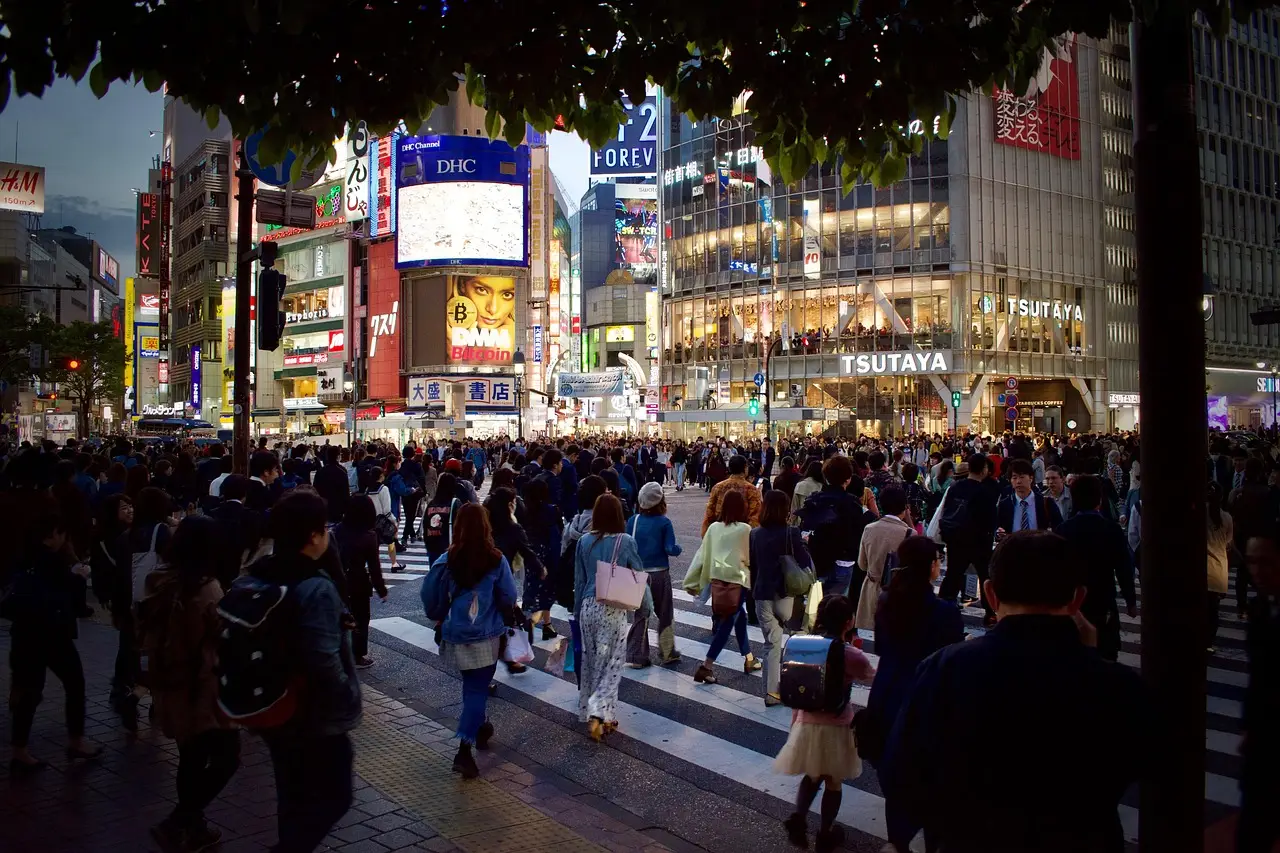
Her recurring visual elements are precise: “fog-covered streets, rain-soaked neighborhoods, mysterious silhouettes, and glowing city lights,” Design You Trust says. The publication says these elements make ordinary city scenes resemble “fragments of a forgotten film.”
They create isolation without requiring deserted locations. A lone walker or distant streetlight can make the city appear briefly emptied, revealing the more mysterious side described in the profile.
Polat’s pictures do not document storms as spectacle. They use reduced visibility, reflected light and partial obstruction to redirect attention toward atmosphere, distance and the unstable boundary between figure and place.
While the photographs suggest disappearance, their strongest effect comes from ordinary places retaining recognizable traces of rain, fog, colored light and otherwise anonymous human presence.
The anonymous figure
Anonymous people form one of Polat’s most distinctive subjects. A solitary person crossing thick fog, or standing beneath a distant streetlight, becomes part of the landscape rather than the central character.
The profile identifies Greg Girard, Todd Hido and Henri Prestes as influences on Polat’s approach. She uses photography to explore memory, solitude and emotional atmosphere, Design You Trust reports.
Her figures work less as individual portraits than as markers of scale, distance and temporary presence, allowing the architecture and weather to share the frame.
Polat’s pictures rarely explain what happened before or after the shutter clicked. The viewer arrives in the middle of another person’s story, but the person remains unidentified and the event unresolved.
Her treatment of the figure shifts attention from biography to structure. A human presence establishes the scale of a street, while fog or darkness prevents the image from settling into a conventional portrait or narrative.
Editing and revision
Polat edits her photographs in Lightroom and does not rely on presets, according to the profile. Her color vocabulary includes:
- Deep teal shadows.
- Electric reds.
- Burnt oranges.
- Muted purples.
The profile identifies a visual tension between vibrant color and melancholy subjects. Polat’s paintings since childhood also inform the composition and color she brought to photography when she moved into the medium.
She often returns to older images after weeks or months. The interval lets her notice possibilities that were not apparent when the photograph first entered the editing process.
Revisiting an image weeks or months later changes editing from immediate correction into a renewed assessment of composition, color and possibility within the work itself.
Polat’s refusal of presets keeps each editing decision with the photographer, even when an image returns with a different balance of color and shadow. That process makes revision part of the picture’s history rather than merely a technical adjustment.
What does this change for the viewer?
For a viewer, the practical change is interpretive: a wet pavement, fog bank, anonymous walker or distant sign can become an image’s organizing fact, not incidental background. Polat’s practice makes looking more deliberate because the conditions that might obstruct a view also supply its structure.
Polat’s images reward that shift in attention because ordinary weather becomes a structural condition, turning the viewer’s first impression of distance into a sustained question about presence and absence.
Her saturated reds and oranges do not simply brighten the dark scenes. Their force comes from remaining unresolved beside anonymous figures, wet streets and obscured architecture, preserving the tension identified in the profile.
Design You Trust also links to Polat’s Instagram for more of her photography.
Polat’s stated process points to continued revision: weeks or months later, the same photograph may yield another possibility. Her next images must decide whether patience produces new structures or merely repeats rain, fog and neon.
Source: designyoutrust.com
More from Marcus Bennett
Show full bio
Staff writer covering people, launches and day-to-day practice in arts in the broadest sense at Arts & Voices.
1,481 articles