Drew Michael's 'Love Me' Puts Auracast Headphones at Center of Off-Broadway Story
Drew Michael's off-Broadway 'Love Me' hands every audience member Auracast headphones and uses broadcast audio to stage hearing loss from within — until the moment they must come off.

Programme
- Love Me, a one-man show by Drew Michael directed by Prashanth Venkataramanujam, runs at the 178-seat SoHo Playhouse in New York.
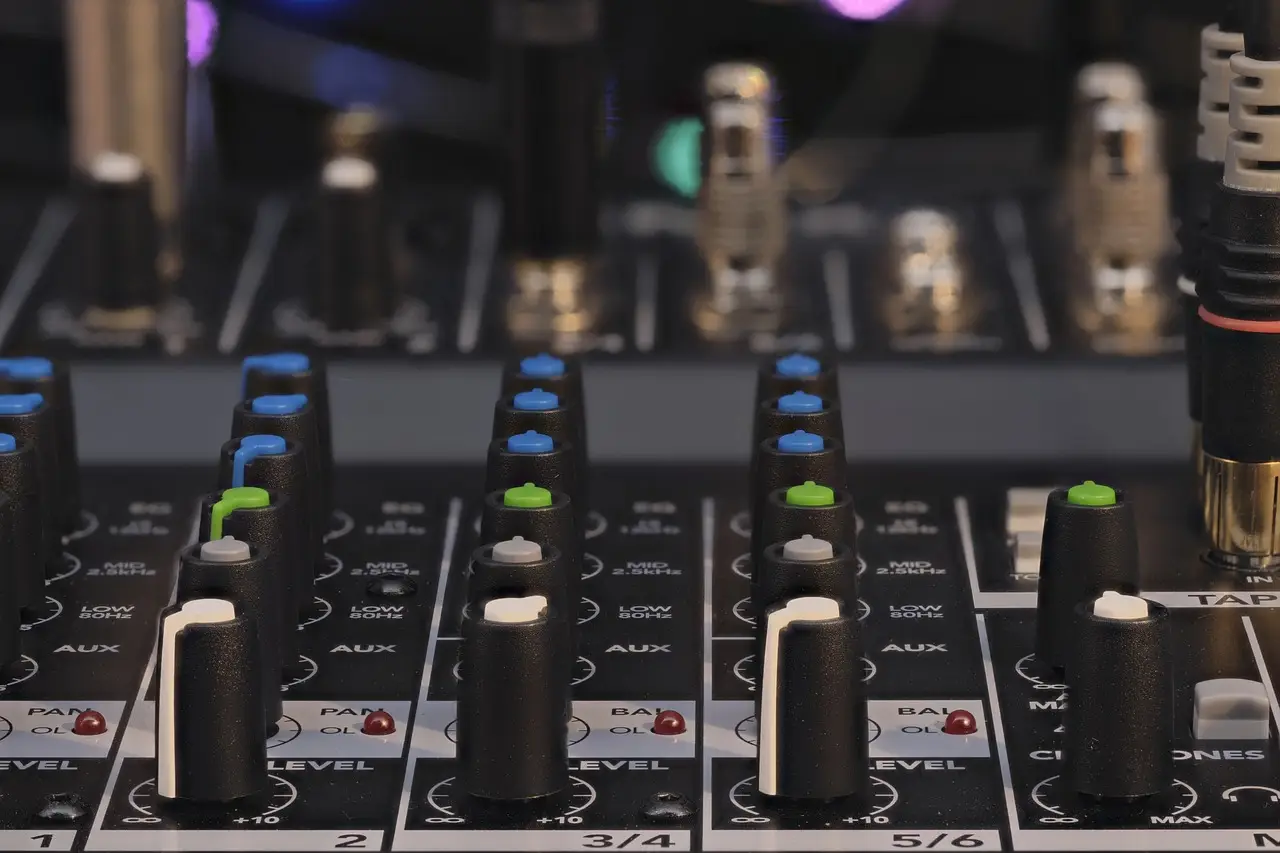
- Sound designer Daniel Kluger uses Auracast Bluetooth broadcast to deliver per-listener audio alongside theater speakers.
- The show is presented in partnership with Deaf West Theatre, with a hearing-aid-compliant Auracast feed and captioned iPads available.
- Michael performs wearing Auracast-enabled Phonak hearing aids that double as his in-ear monitors.
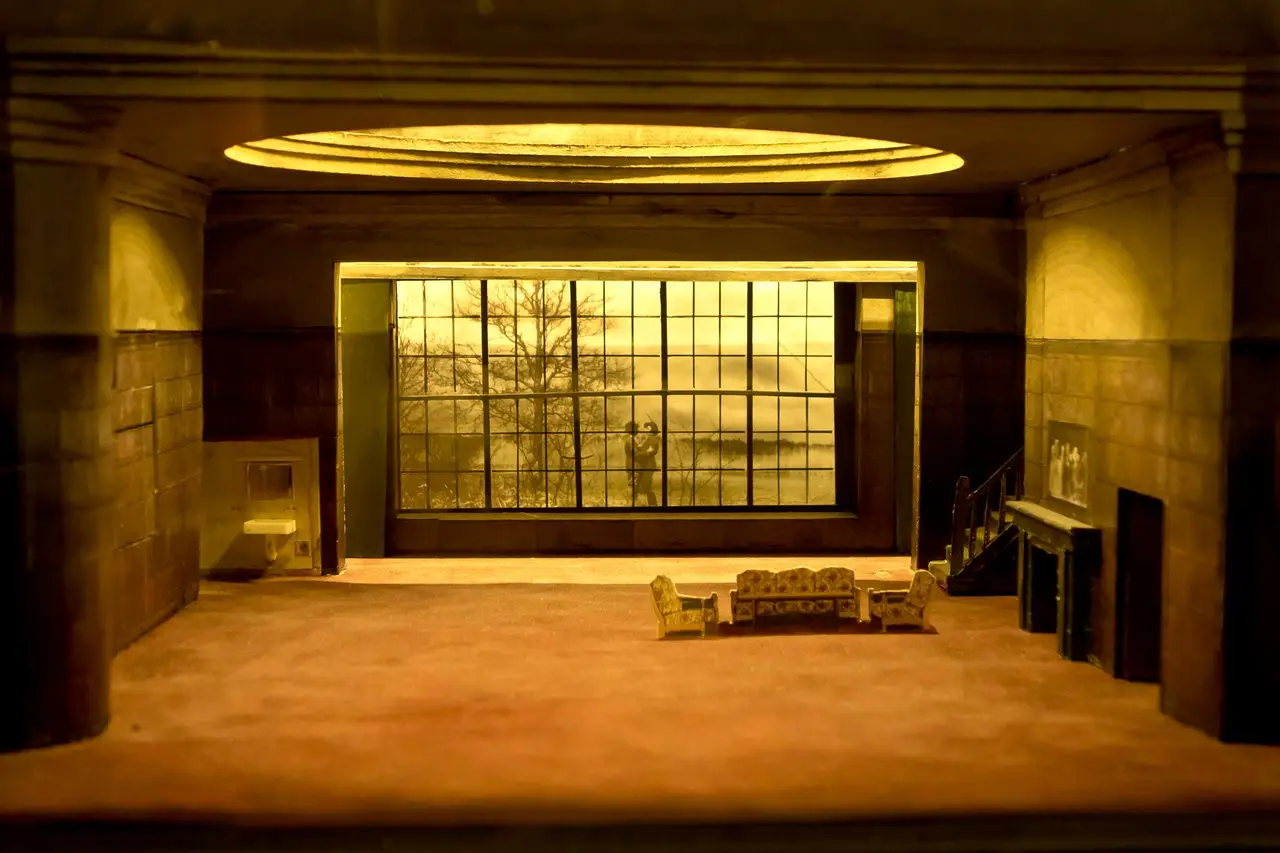
Every audience member at Love Me wears headphones for nearly the entire show — and the moment they are told to take them off is the point of the whole production. The one-man work by comedian and former Saturday Night Live writer Drew Michael, directed by Prashanth Venkataramanujam, runs at the 178-seat SoHo Playhouse in New York, in a 200-year-old SoHo row house. Ushers hand each arrival a black drawstring bag containing wired headphones connected to a small Auracast receiver. Soon after the play begins, the instruction comes: "The show is starting soon. Please turn on your headphones."
The technology doing the lifting is Auracast, a Bluetooth-based broadcast standard that can stream high-quality audio to any number of nearby devices. Sound designer Daniel Kluger pairs the headphones with the theater's speakers to build effects a conventional setup cannot achieve. Tinnitus ringing and hearing-test tones surface in the music between sections as clues, ahead of Michael's epiphany about his hearing loss.
What does the sound design actually do?
Kluger manipulates clarity itself. Sound through the theater speakers is sometimes deliberately muffled, then dulled further by the headphones — putting the audience inside what Michael hears. One thing stays pristine: his inner monologue, a mix of prerecorded tracks and a live feed from his stage microphone.
"Any time you're in my head — anything in the headphones is coming through clearly," Michael said after the show. "[We're] trying to also highlight that the appeal of the inner world is such that it's the highest fidelity space for this person. It's more comfortable."
In one scene, set in a comedy club, three layers compete: the speakers carry crowd reactions, including a heckler whose voice shifts between muffled and clear; the headphones carry Michael's prerecorded inner responses; and his live stage mic is muffled so attention stays on the inner voice. The result is a deliberate, exhausting confusion — the concentration required when sound stops being reliable.
The climax arrives with a series of Michael's audiograms over the years shown visually, and his recognition of the labor his hearing loss has demanded. "I had this massive breakthrough about the whole history of what I've been doing — the cognitive labor, the invisible to myself labor that was affecting every single minute of my life," Michael said. "That was a huge moment."
Then the headphones come off. The device the audience has adjusted to for the whole show — and its literal weight — disappears, and Michael moves into a final act about claiming a Deaf identity.
"The deafness is not the culprit, it's the denial of it," he said. "My hearing currently has never been worse, but I've never been more self-affirmed or self-actualized or felt happier in myself. It's a misconception, I think, about deafness as a tragedy, deafness as a deficit, deafness as a burden, deafness as something that plagues a person."
Accessibility and identity in one broadcast
Love Me is presented in partnership with Deaf West Theatre, which supports Deaf-centered storytelling. Beyond the audience feed, the production offers a separate Auracast stream designed for compliance with hearing aids and cochlear implants, plus iPads with captions. Michael himself wears Auracast-enabled Phonak Sphere hearing aids connected to his own broadcast channel.
"We talked about using in-ear monitors, but if I use an in-ear monitor, then I don't have amplification from my environment, so then I lose contact with the audience," he said. "These function as two things: They're hearing aids and also in-ear monitors."
Any Auracast-capable headphones can join the audience broadcast — a pair of Nothing Ear Pro 1 connected in seconds in testing — though the show's sound was designed around the provided Auri receiver and Austrian Audio headset, and differing isolation could alter the intended experience.
Michael is careful about what the technology means. Audiological advances such as cochlear implants and hearing aids are cited among the reasons schools for the deaf have declined, mainstreaming Deaf children and cutting them off from Deaf history and culture. "I'm not against the tech," he said. "I just think tech and Deaf identity should be a marriage rather than a divide."
Love Me is not a show about hearing technology; it is a show that needed hearing technology to exist. Whether other productions follow its lead — treating broadcast audio as dramatic structure rather than an assistive add-on — will determine if this stays a singular experiment.
Source: artsjournal.com
More from Tom Whitfield
Show full bio
Market editor covering people, launches and day-to-day practice in arts in the broadest sense at Arts & Voices.
1,741 articles