Drexel President Subpoenaed Over Closure of 198-Year-Old Academy
Drexel's president faces a subpoena on 16 November over the sudden closure of Philadelphia's 198-year-old Academy of Natural Sciences and its 19 million specimens.
Programme
- Drexel University's president testifies under subpoena before Philadelphia city council on 16 November.
- The Academy of Natural Sciences, founded in 1812, closed in September after 198 years of operation.
- Curator numbers have fallen from 11 to five; the museum drew 60,000 visitors in its final 12 days.
- The William Penn Foundation offered a year of replacement funding; Drexel says no formal proposal was received.
- The collection of more than 19 million specimens includes Lewis and Clark plants and Audubon's birds.
Drexel University's president will testify under subpoena before Philadelphia's city council on 16 November over the sudden closure of the Academy of Natural Sciences, a 198-year-old public museum that shut its doors in September because of rising costs.
The academy holds more than 19 million specimens, and its fate is now the subject of a formal council investigation. The council passed its investigative resolution on 17 September, describing institutions like the Academy as "part of the cultural fabric of the city" and warning that the closure would especially affect residents "for whom the museum is a fixture of the neighbourhood".
An initial hearing took place on 26 October. Drexel's president did not attend.
What happens to the 19 million specimens?
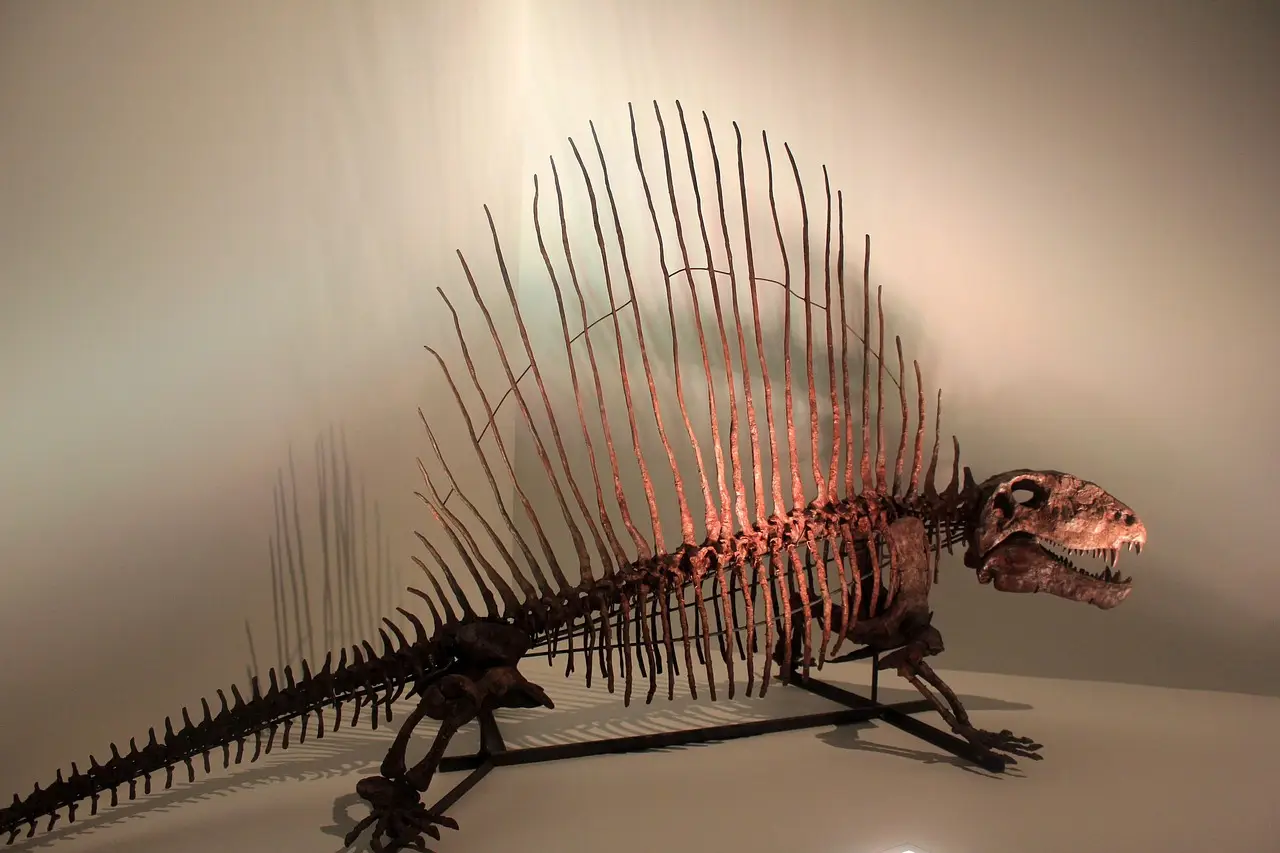
Founded in 1812, the Academy describes itself as the oldest natural history research institution in the Americas. It opened its museum to the public in 1828 and, in 1868, displayed Hadrosaurus foulkii — the world's first mounted dinosaur skeleton.
The collection includes plants gathered on the Lewis and Clark expedition, John James Audubon's birds and Thomas Jefferson's fossils.
Staffing has collapsed. Isa Betancourt, a former curatorial assistant in the entomology department and an organiser with the Save the Academy coalition, says the number of curators has dropped from 11 to five. The invertebrate palaeontology collection manager recently left for a job at the American Museum of Natural History. "There is no plan to replace her," Betancourt told The Art Newspaper. Endowed curator posts in entomology and palaeontology have gone unfilled for years, she adds.
In short: the institution that mounted the first dinosaur skeleton now operates with fewer than half its curators and no succession plan.
How did staff learn of the closure?
Staff learned of the closure at a morning meeting on 1 September, says Amber Redfield, a former geosciences collection manager and fossil preparator who was recently laid off and now volunteers at the Academy. Most staff were laid off by 1 November.
Many people "found out they were let go in a report by The Philadelphia Inquirer", Redfield says.
She says the museum drew more than 60,000 visitors in its final 12 days of public hours. "That's not enough time to shut down a lifetime of scientific and educational work," she adds. "I planned to retire at the Academy and don't have any backup plans."
Collection managers still on staff have faced an "astronomical increase" in emails and calls, Redfield says, with people asking: "Is this safe?" "Can I see it?" "Can I book an appointment?"
What did Drexel tell the council?
Drexel has framed its role as a rescue. The academy became a Drexel affiliate in 2011 while remaining a separate non-profit with its own board. The university recently told the council it had "stepped in as a partner" that year, when the Academy "faced severe financial distress".
At the 26 October hearing, Drexel representatives cited the building's "substantial capital needs" and said public exhibitions need a new model, "almost certainly in a different location".
Sarah McAnulty, a squid biologist and Save the Academy organiser, says council members asked Drexel representatives to check their numbers. "If all you need to keep the public museum open is a million dollars, what the hell are we doing here?" she says, describing the council's reaction.
Is outside funding on the table?
The William Penn Foundation has offered a year of funding to replace Drexel's subsidy for the museum. "The foundation has not received a response to our offer," a spokesperson told the Inquirer. Drexel later stated that it had not received a "formal proposal with a defined level of financial support".
The communication breakdown extends to the museum itself. Betancourt says the Academy's social media accounts have been inactive for two months and staff cannot access them because Drexel controls them. The director of marketing and communications was let go with the closure.
Betancourt says Drexel may not realise that communications and education staff connect the collections with the public and potential benefactors, "otherwise, the collections work in darkness".
Volunteers now hold the operation together. "Unfortunately, volunteer labour is essential to most natural history collections, but it's not sustainable," Betancourt says. "The fact that the volunteer manager was initially slated for termination and had to be reinstated shows Drexel has no idea how these collections function."
What does Save the Academy want?
Betancourt says the coalition wants Drexel to explain "why no capital campaign was undertaken" and "why the scientific community has been shut out of behind-the-scenes negotiations".
"The closed-door negotiations got us a closed museum," she says. "Natural history collections tied to a financially haemorrhaging university are not safe natural history collections."
The 16 November subpoena testimony will be the first time Drexel's president answers the council's questions directly, and it may determine whether the 19 million specimens — and the public museum built around them — get a second life.
Source: theartnewspaper.com
More from Elena Vasquez
Show full bio
Senior reporter covering technology and product news in arts in the broadest sense at Arts & Voices.
1,309 articles