Gilded Bronze Foot Rewrites Story of Roman Scotland's Lost Emperor
A gilded bronze foot found in a Scottish bog in 1820 came from a monumental equestrian statue of Emperor Antoninus Pius, erected locally around 140 CE, curators say.
Programme
- The gilded bronze leg and foot was found in a bog at Milsington, Scotland, in 1820.
- The parent equestrian statue dates to approximately 140 CE.
- Experts believe the statue depicted Emperor Antoninus Pius, builder of the Antonine Wall.
- New analysis shows the limb was deliberately detached, indicating careful dismantling.
- The exhibition runs at the National Museum of Scotland from 14 November to 18 April.
A gilded bronze lower leg and foot, dredged from a bog at Milsington, Scotland, in 1820, will anchor a major new exhibition at the National Museum of Scotland in Edinburgh. The limb belonged to a monumental equestrian statue erected around 140 CE. For two centuries, scholars assumed Scottish tribes looted the bronze from a Roman site further south and hauled it home. The experts now say otherwise: the statue most likely stood on Scottish soil, raised by the conquerors themselves.
The National Museum dates the fragment to approximately 140 CE. New analysis by National Museums Scotland shows the bronze limb was carefully detached from its parent statue. That detail matters. It suggests the monument was deliberately dismantled rather than smashed in an act of destruction. Someone took the statue apart with skill and intent, and the answer to why is likely buried with them.
Who did the statue depict?
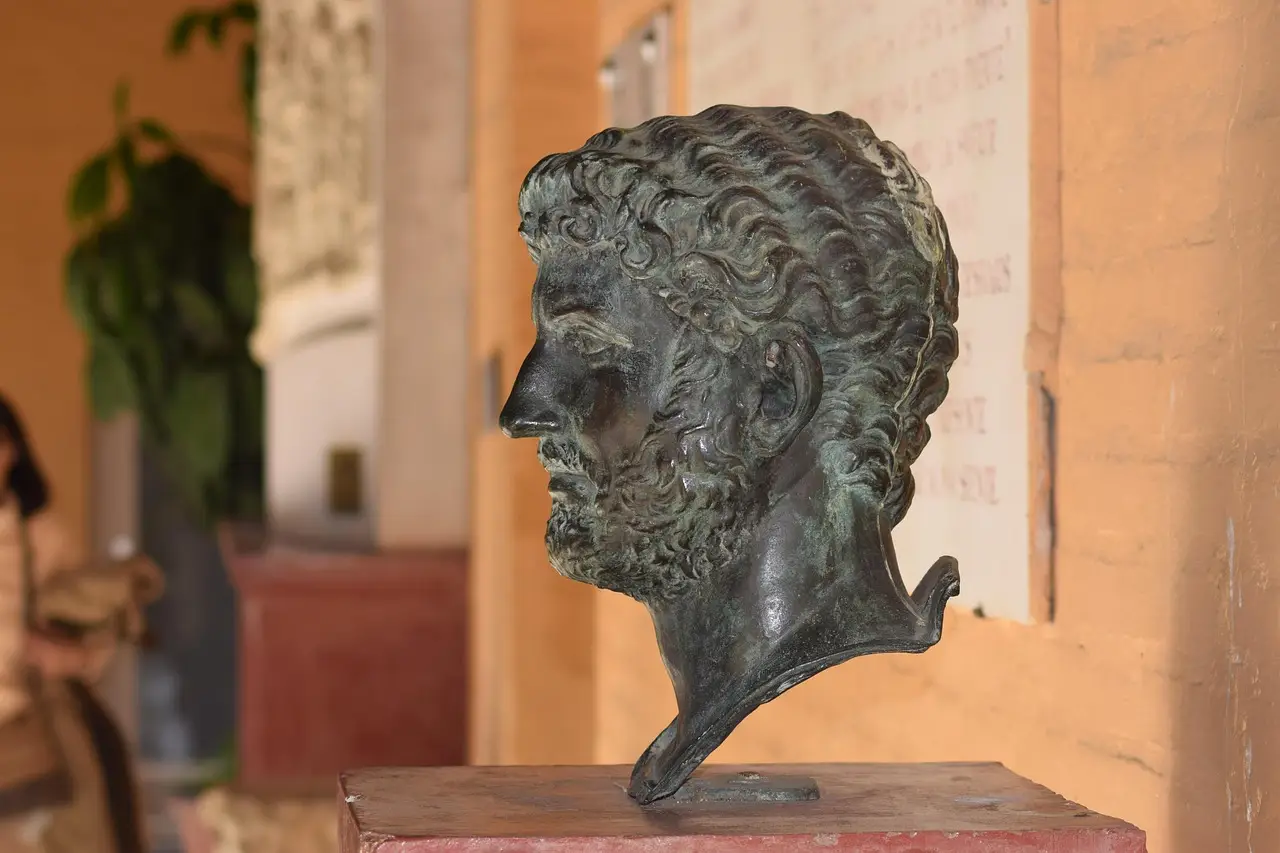
Archaeologists now believe the rider was the Roman Emperor Antoninus Pius. He commanded Rome's second major military campaign into Scotland. Under his leadership, Roman forces built the turf Antonine Wall across what is now Scotland's Central Belt. Attacks by Caledonian tribes forced a retreat south to Hadrian's Wall less than a generation later. A gilded equestrian emperor, raised above a frontier fort, would have served as a blunt statement of imperial power in freshly conquered territory.
A study of statue fragments from Roman Scotland supports the local-origin reading. It shows that imperial statuary was a regular feature of Roman frontier forts. That finding makes a Scottish provenance for the Milsington bronze far more probable than the old looting theory, which cast the tribes of the north as trophy collectors rather than witnesses to Roman monument-building on their own ground.
What does this change for Roman Scotland?
The bronze foot pushes the grandeur of Roman occupation north of the Antonine Wall's eventual failure. Grand monuments, not just ditches and ramparts, once marked the occupation of southern Scotland. Fraser Hunter, principal curator of the exhibition, framed the stakes plainly.
"It offers us a tantalizing glimpse into the kind of grand monuments which once stood in southern Scotland and shows the importance Pius placed on his victories in Scotland," Hunter said of the remnant. "But it begs the question: Where is the rest of the statue?"
That question now guides the research agenda. Every fragment study, every bog survey, every fort excavation in Scotland's Central Belt carries a new charge after this reattribution. Somewhere in the ground may lie a gilded emperor, riderless since the second century.
"Roman Scotland: Life on the Edge of Empire" runs at the National Museum of Scotland in Edinburgh from 14 November to 18 April.
Original: nms.ac.uk
More from Marcus Bennett
Show full bio
Staff writer covering people, launches and day-to-day practice in arts in the broadest sense at Arts & Voices.
1,341 articles