Dylan Cole’s Rare Blueprints Map Hollywood’s Alien Worlds
Dylan Cole’s portfolio links more than 60 features to a precise ecological method, from Pandora’s floating mountains to bioluminescent oceans and anatomically plausible creatures.
Programme
- Cole has contributed to more than 60 feature films, including Alita: Battle Angel.
- He is an Academy Award-nominated production designer and concept artist.
- Cole co-designed Pandora for James Cameron’s Avatar: The Way of Water and Avatar: Fire and Ash.
- The profile presents 28 gallery images without individual captions.
- The portfolio combines floating mountains, bioluminescent oceans, dynamic creatures and advanced science-fiction infrastructure.
By Daniel Okafor
Dylan Cole has contributed to more than 60 feature films, including Alita: Battle Angel, according to Design You Trust’s profile. The profile identifies the Academy Award-nominated production designer and concept artist as best known for co-designing Pandora for James Cameron’s Avatar: The Way of Water and Avatar: Fire and Ash.
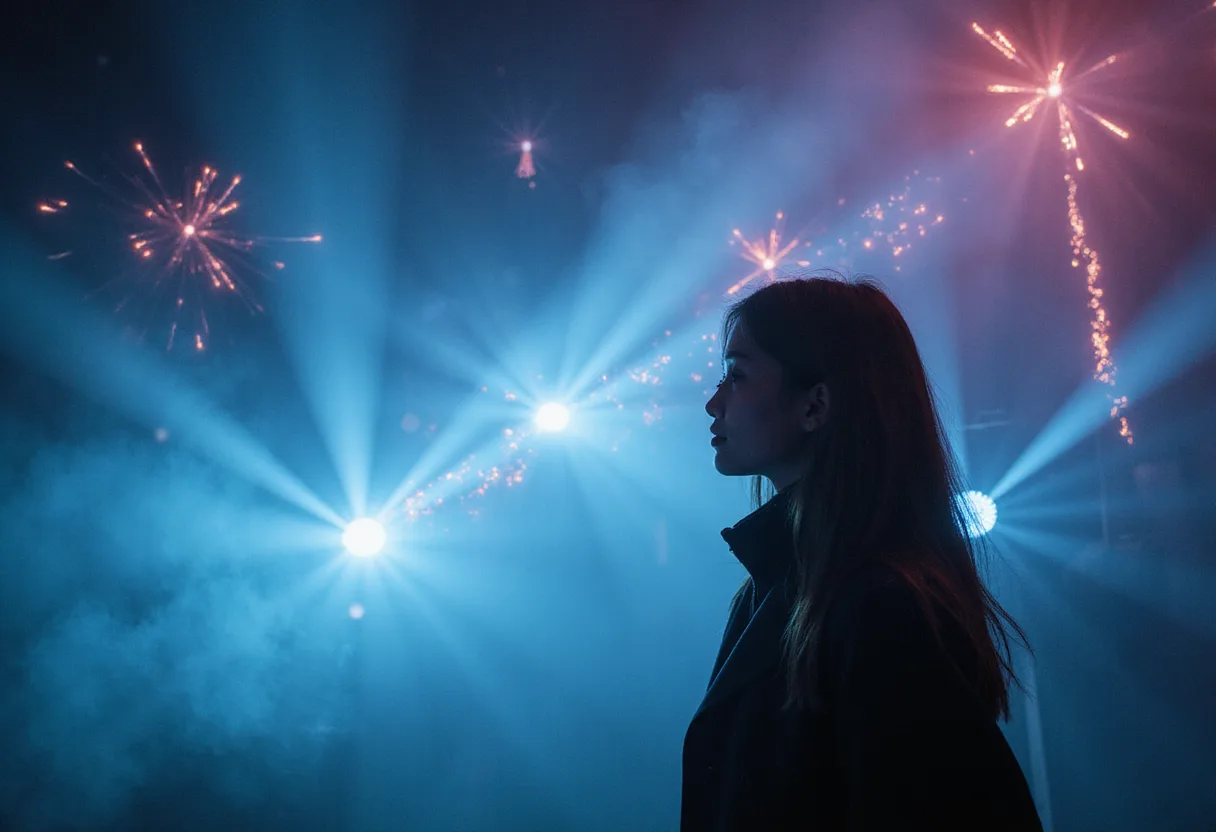
The profile calls Cole’s environments “functionally alive” and grounded in “deep biological and ecological logic.” Design You Trust links that method to a fusion of organic ecosystem design and advanced science-fiction infrastructure, with towering floating mountains cloaked in mist, glowing bioluminescent oceanic environments and dynamic creature designs.
What makes Cole’s imaginary environments convincing?
Cole’s production design (the filmmaker’s overall construction of a film’s visual environment) rests on rules that viewers can read without a diagram. The floating mountains need atmosphere, aquatic settings need believable light, and creatures need anatomy that survives close attention rather than merely looking impressive in silhouette.
The result resembles a functioning machine rather than a painted backdrop. World-building (the creation of a setting’s physical rules and visual identity) therefore becomes a system of cause and effect, not a pile of striking images.
Design You Trust identifies scale, anatomical plausibility and atmospheric lighting as the core attributes of Cole’s work. The list matters because a spectacular image alone cannot sustain a believable place on screen.
What do the rare sketches and blueprints reveal?
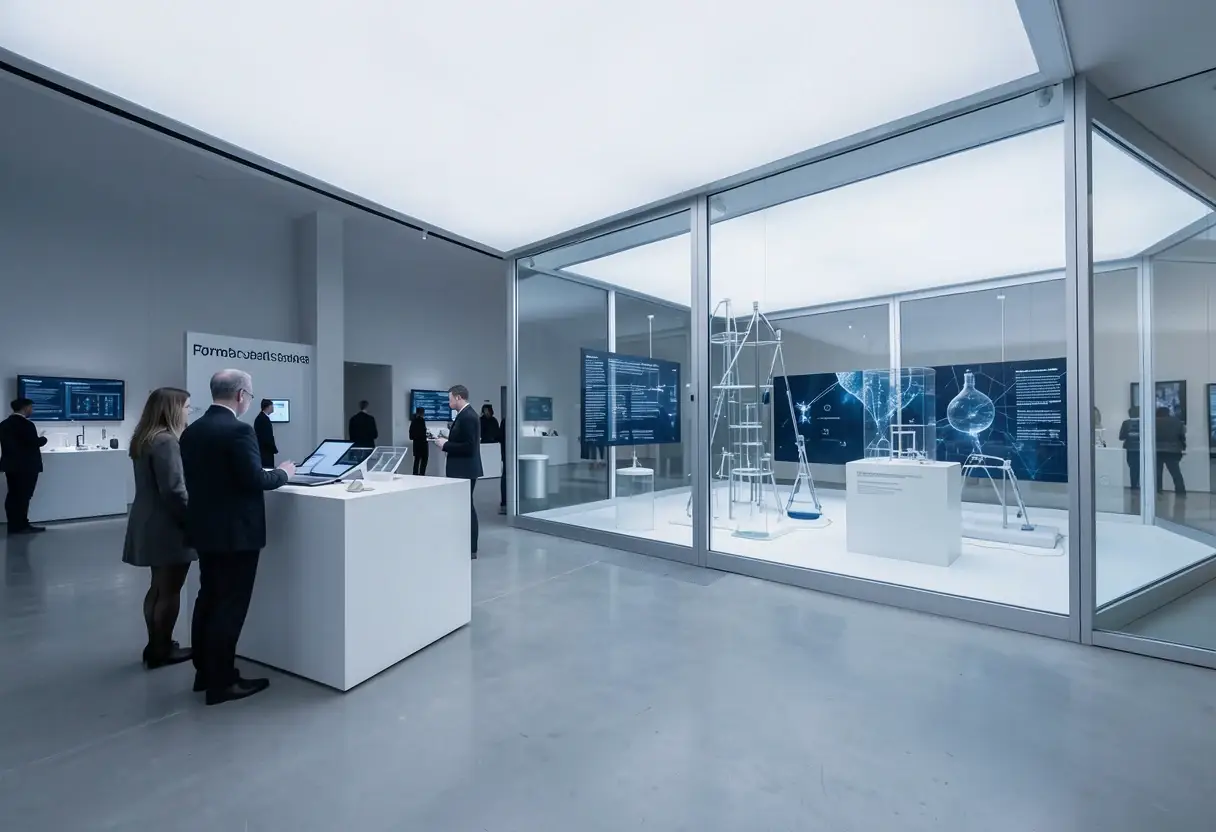
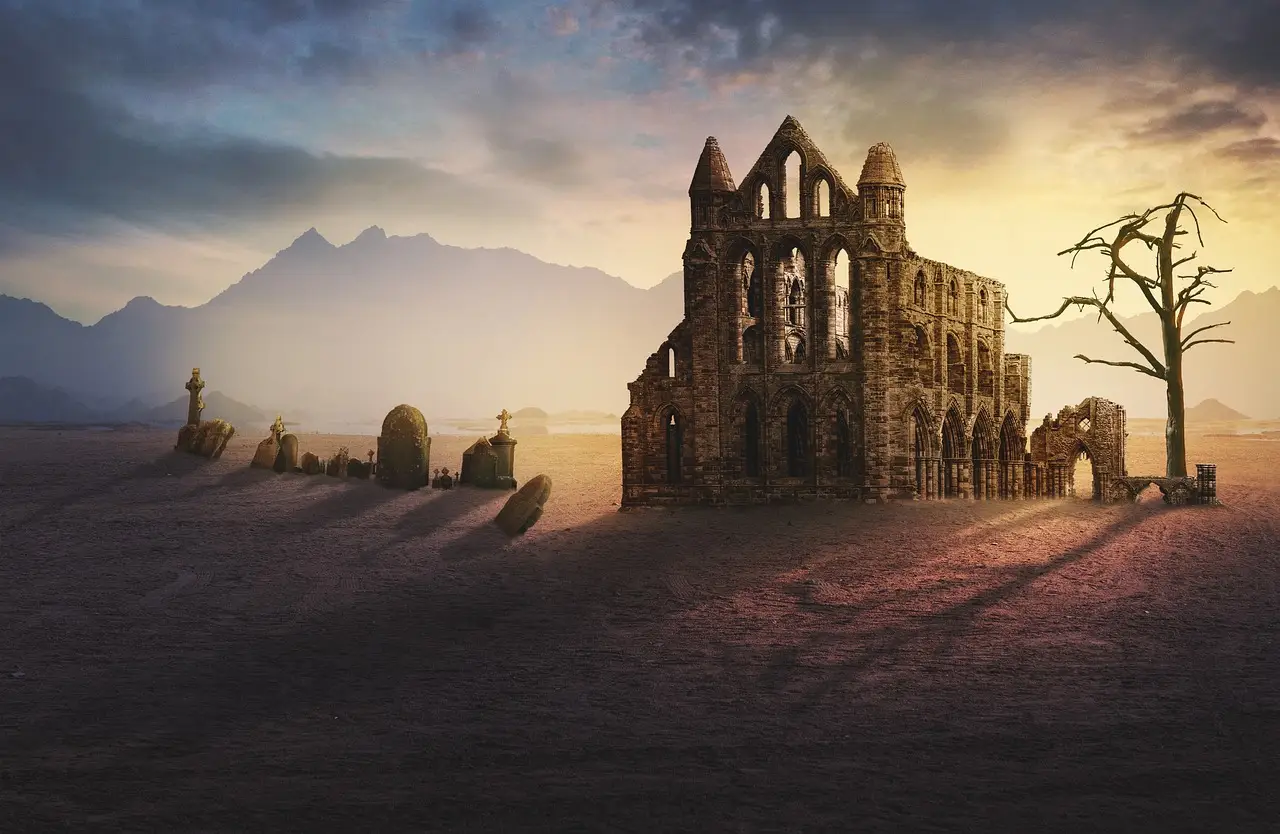
Design You Trust presents 28 gallery images under the rubric of rare sketches and blueprints. A blueprint (a technical design drawing) records structure, although the feature leaves the individual drawings uncaptioned and untethered from specific films, sequences or production dates. The captions, conspicuously, are absent.
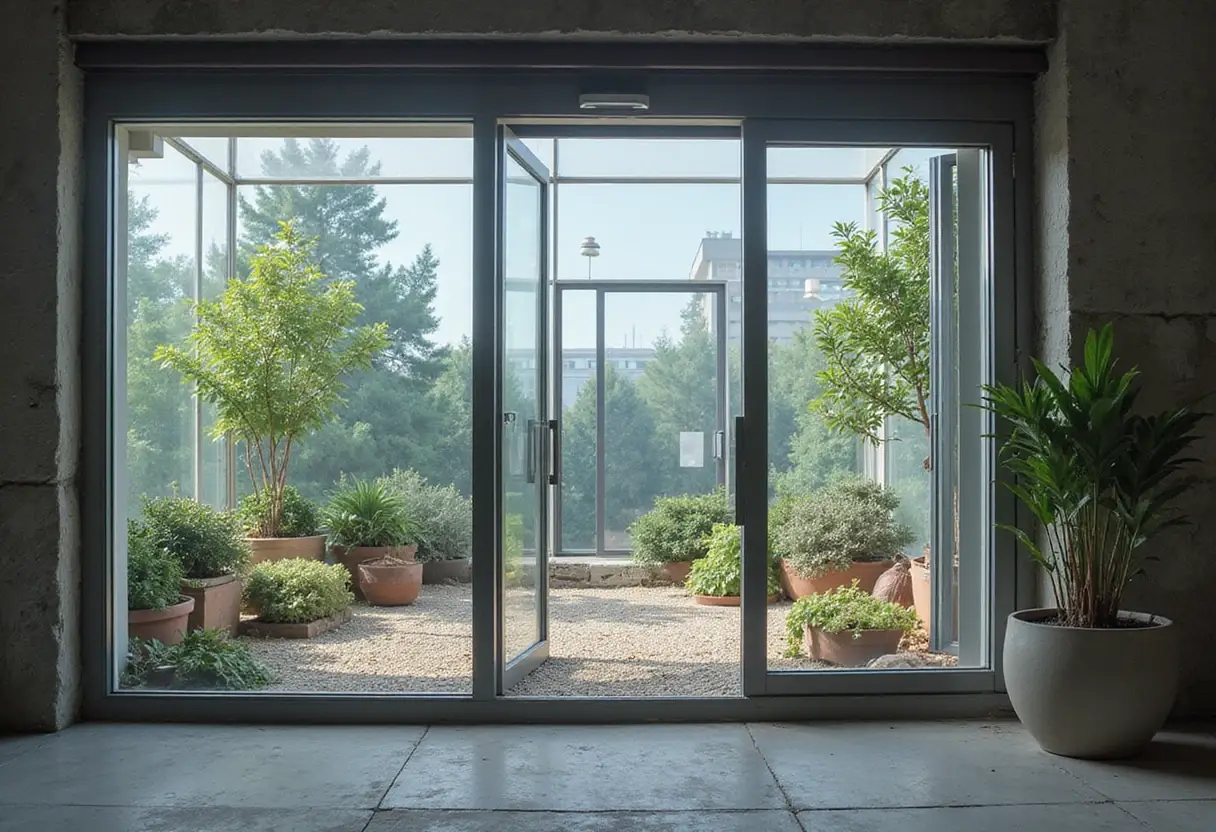
Across the 28 images, the profile identifies floating mountains, bioluminescent oceans, dynamic creatures and advanced infrastructure as four recurring visual strands.
Architecture and biology appear as partners within one visual system. Cole’s concept art (visual proposals developed for a production) keeps those systems legible before filming.
The feature also links to Cole’s Instagram account, @dylancoleart.
How does scale become atmosphere?
The profile says Cole combines astonishing scale with anatomical plausibility (creature forms that appear able to function), while mist and bioluminescence shape mood and distance. Advanced infrastructure then gives the organic forms a built counterpart, making the environments feel inhabited rather than simply observed.
His method makes scale serve atmosphere, not spectacle alone. A floating mountain needs mist to register its height. An illuminated ocean needs a source for its light. A creature needs anatomy that its habitat can plausibly sustain.
Those links give the portfolio its apparent realism. They also explain why the profile treats Cole as a world-builder rather than merely a supplier of memorable images.
How do his two roles overlap?
The profile presents Cole as both a production designer and concept artist. A production designer establishes a film’s overall visual environment; a concept artist develops visual proposals for that production. Their overlap turns the gallery into a study of systems rather than isolated designs.
The feature establishes no chronology for Cole’s career and assigns no individual image to Alita: Battle Angel or either Avatar film. Its opening text names those projects, while the gallery supplies no labels beside the drawings themselves.
Here, the images promise detail, while absent captions limit access to individual projects. Viewers must judge the portfolio through scale, ecology, atmosphere and infrastructure.
Viewers can test that vocabulary against Avatar: The Way of Water and Avatar: Fire and Ash. The drawings suggest that Cole’s real achievement lies in the rules beneath the spectacle, which is why they remain worth studying without captions.
Source: designyoutrust.com
More from Daniel Okafor
Show full bio
News editor covering companies, deals and strategy in arts in the broadest sense at Arts & Voices.
1,078 articles