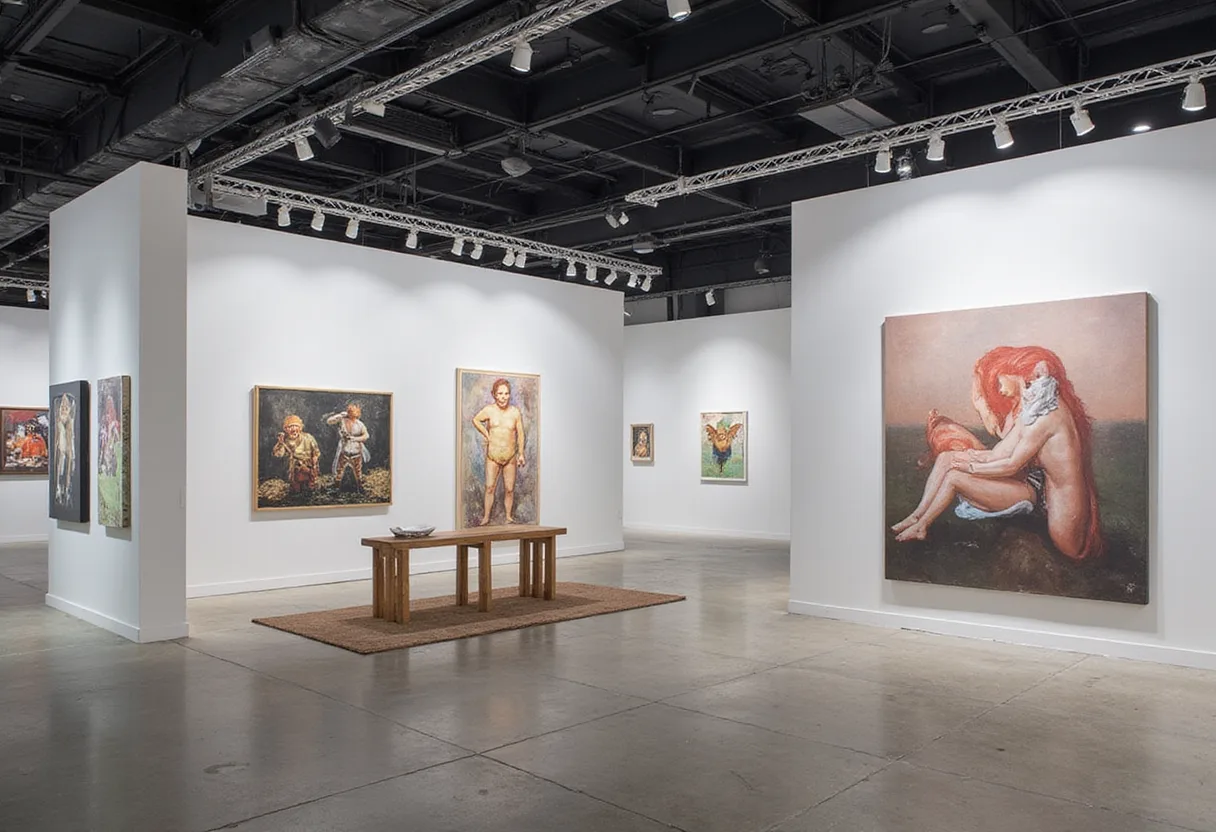
FOG Design+Art Grows 20 Percent, Names 76 Exhibitors for 2027
FOG Design+Art has named 76 exhibitors for its January 21–24, 2027 edition at Fort Mason, growing roughly 20 percent after applications jumped 30 percent over 2026.
Programme
- FOG Design+Art runs January 21–24, 2027 at Fort Mason Center for the Arts with 76 exhibitors.
- The fair grows by 13 exhibitors, roughly 20 percent, over the 2026 edition.
- Exhibitor applications rose 30 percent over 2026, which itself had gained 20 percent over 2025.
- 15 galleries debut, including Thomas Dane Gallery, VeneKlasen, P.P.O.W, Matthew Brown and Mariposa.
- The preview gala on January 20 benefits SFMOMA; honorary chairs include Mike Krieger and Joe Montana.
By Elena Vasquez
FOG Design+Art has named 76 exhibitors for its 2027 edition, an increase of 13 galleries — roughly 20 percent — over last year. The fair runs January 21–24 at the Fort Mason Center for the Arts in San Francisco.
Who is coming back?
Blue-chip returnees include David Zwirner, Lisson, Marian Goodman Gallery, Mendes Wood DM and Hauser & Wirth, the only mega-gallery with a current Bay Area location. Michael Rosenfeld Gallery, Commonwealth and Council and Chris Sharp Gallery return after skipping 2026. White Cube, Sprüth Magers and Tanya Bonakdar Gallery come back after longer hiatuses.
Fifteen first-time exhibitors include Thomas Dane Gallery, VeneKlasen, P.P.O.W, Matthew Brown and Mariposa.
Why is the fair growing?
Director Sydney Blumenkranz attributes the expansion to the 2026 edition's performance: strong attendance, what she called "super-high energy," and sales that included works priced in six figures.
"I think the success of the fair last year has a lot to do with the resurgence of interest in San Francisco in general," Blumenkranz told ARTnews. "There has definitely been this narrative that San Francisco was a bit down and out in the past few years, but that narrative has really turned around."
Applications tell the same story. Exhibitor applications rose 30 percent over 2026, which itself had gained 20 percent over 2025, according to Blumenkranz.
"What we're seeing in terms of exhibitor interest in FOG is absolutely huge, and it continues to surprise us every year in the best way possible," she said. "We felt like we had a real duty to FOG and to the arts community here to expand the fair, and that's exactly what we're doing this year."
What changes in the layout?
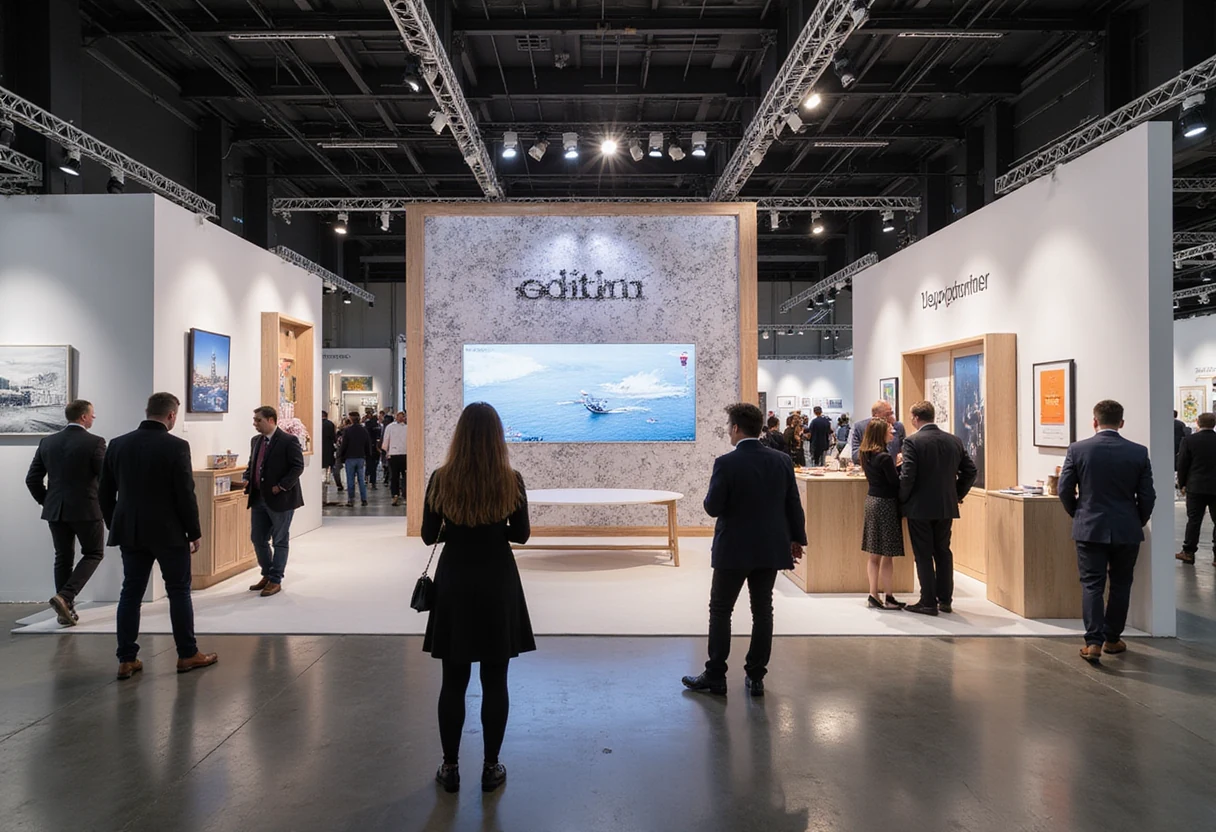
The expansion spans both piers FOG occupies at Fort Mason. The Focus pavilion moves onto its second floor for the first time. The historic pier gains roughly seven booths, partly because the FOG Talks program relocates to the 437-seat Cowell Theater — a move that doubles talks capacity and frees floor space.
The larger footprint also allows more visitors. "We've had lines out the door. We've had to turn people away, and that's not what we want," Blumenkranz said. "We want to be as inclusive as possible, and we want to be able to host as many people as possible."
The January 20 preview gala, benefiting the San Francisco Museum of Modern Art, has high-profile honorary chairs: Instagram founder Mike Krieger and his wife Kaitlyn, and former San Francisco 49ers quarterback Joe Montana and his wife Jennifer. Blumenkranz said she hopes the chairs help the fair "reach beyond" the Bay Area art and design community.
Can FOG buck San Francisco's art-sector losses?
The growth arrives amid contraction elsewhere in the city. Galleries Altman Siegel and Rena Bransten closed by the end of 2025. Just before the 2026 fair, the California College of the Arts announced it would close by 2027 and sell its campus to Vanderbilt University — a campus renamed in July for Silicon Valley billionaire Jen-Hsun "Jensen" Huang after a $75 million gift.
Blumenkranz dismissed the long-reported difficulty of converting tech-industry wealth into serious collectors, describing the current base as longtime FOG supporters alongside a newer generation of buyers, some of them tech-made.
"I think San Francisco might be the only city in the world right now that can offer up an entirely new swath of collectors to these blue-chip galleries. Now, I know that's a bold statement, but there's truth to it," she said. "There's this entirely new group of emerging collectors who are interested in art, want to buy art, and have the capacity to. They are looking for ways to get involved in the art world, and the answer is FOG first and foremost."
The 2027 edition will test whether that expanded collector base — and the enlarged floor plan — can sustain the fair's momentum through a period of closures across the city's art institutions.
Source: ARTnews
More from Elena Vasquez
Show full bio
Senior reporter covering technology and product news in arts in the broadest sense at Arts & Voices.
562 articles