Frieze Abu Dhabi's First Edition Delivers Strong Sales Amid Regional Jitters
Frieze Abu Dhabi's inaugural edition (19-22 November) drew strong sales, from Hamra Abbas sellouts at $50,000 to a seven-figure ancient stele, ahead of the Guggenheim's December opening.
Programme
- Inaugural Frieze Abu Dhabi ran 19-22 November at Manarat Al Saadiyat, succeeding Abu Dhabi Art (operating since 2007).
- Lawrie Shabibi sold out Hamra Abbas marble works at $50,000 each by opening day.
- David Aaron sold a 2,000-year-old alabaster funerary stele from ancient Yemen for 'seven figures'.
- Guggenheim Abu Dhabi opens next month after twenty years in the making.
- Two new cultural districts, Noma on Saadiyat and MiZa in Mina Zayed, aim to build a commercial gallery scene.
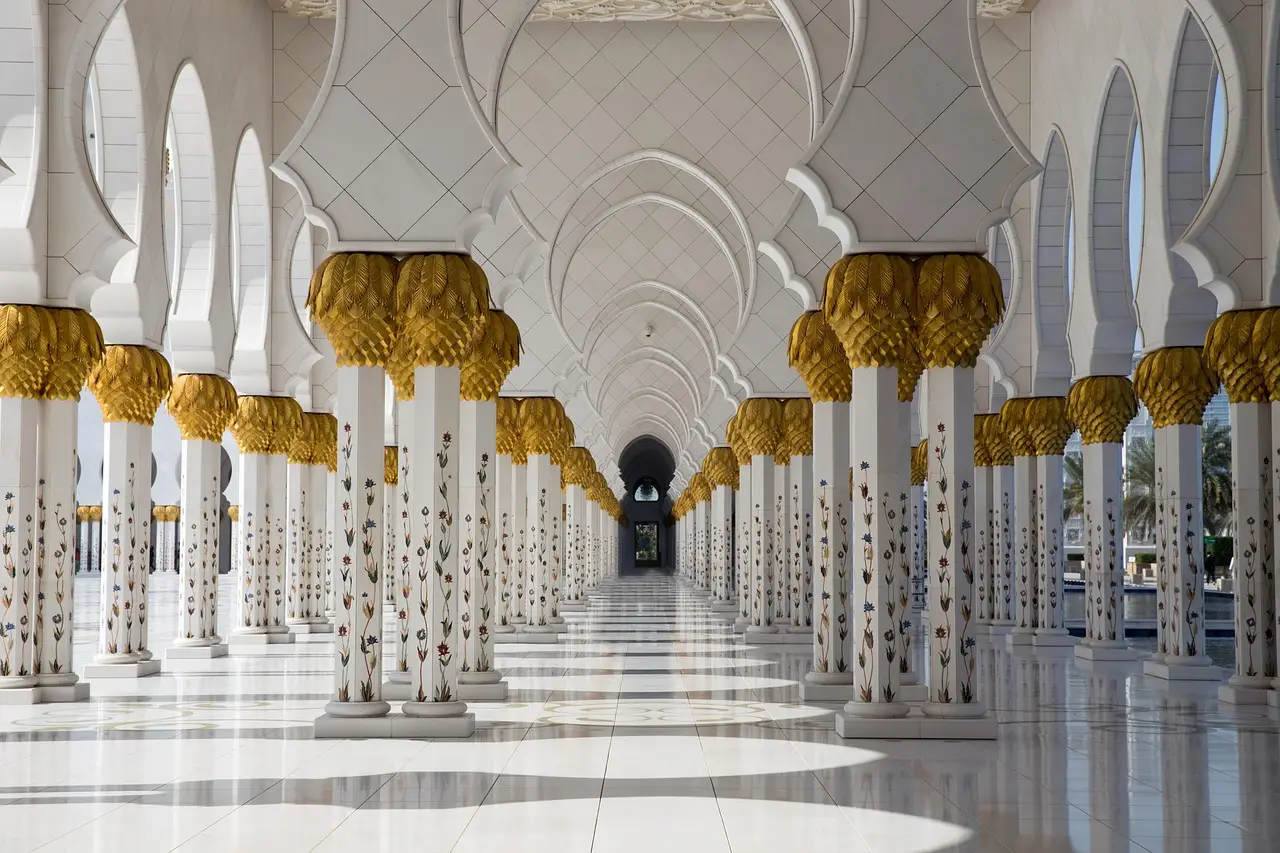
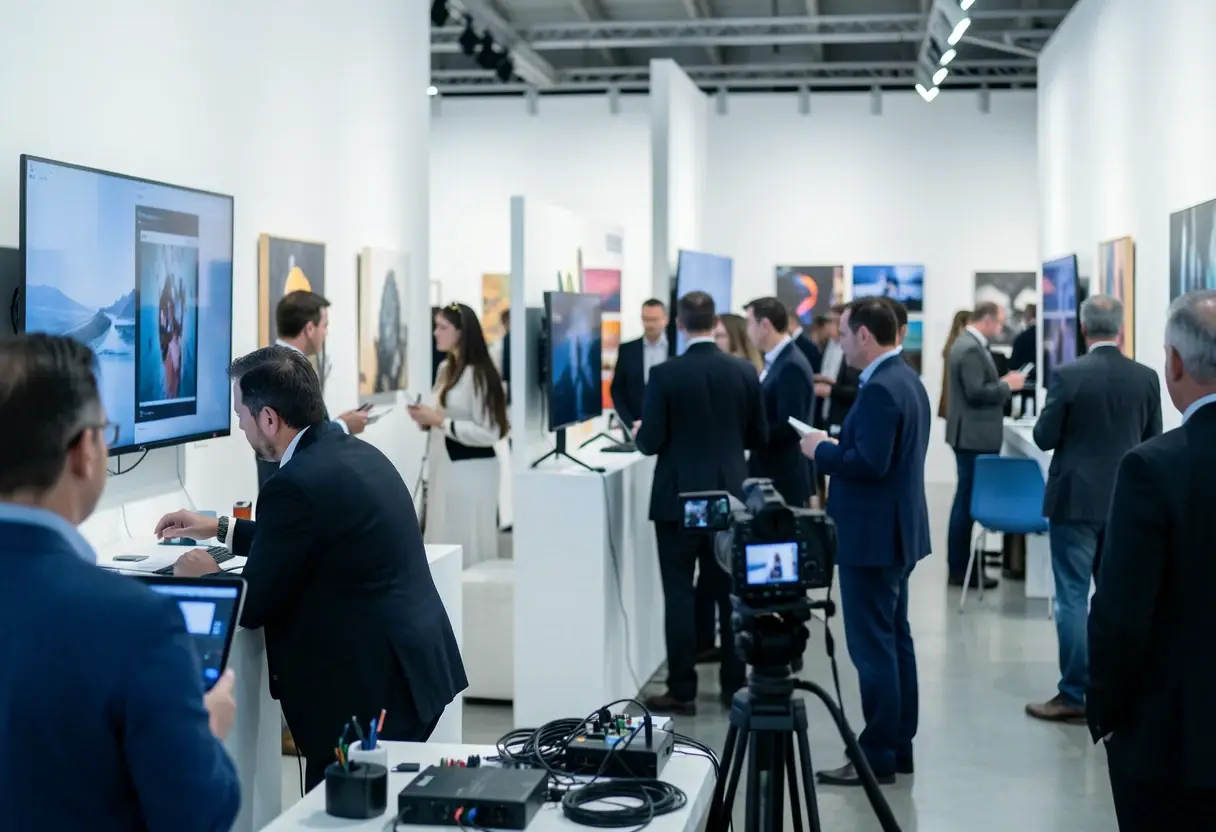
Frieze Abu Dhabi closed its inaugural edition on 22 November with strong sales across regional and blue-chip galleries, dealers reported, despite geopolitical uncertainty hanging over the UAE capital. The fair, which ran 19-22 November at Manarat Al Saadiyat, replaced the long-standing Abu Dhabi Art fair that had operated in the city under various names since 2007.
Lawrie Shabibi sold out its marble inlay works by Hamra Abbas by opening day, at $50,000 each. Most artworks at the fair were priced from the low tens of thousands to the mid hundreds of thousands of dollars.
"They're looking after us very well here," one established Dubai collector said. "Unlike at other fairs, where we feel pressured to buy, here we can take a breather and reflect on things. The art world is very collegiate in this region and the collectors are here to support."
What is the new fair's formula?
Frieze Abu Dhabi is co-run by Frieze Fairs and the UAE government's Department of Culture and Tourism (DCT). It blends Abu Dhabi Art traditions with the format familiar from Frieze's flagship event in Regent's Park. Those traditions include the Ladies' Day reserved for Abu Dhabi's sheikhas the day before the public opening, and the pre-bound book of available works circulated to the city's royals.
Frieze contributed its art fair expertise, producing a tighter layout and improved overall experience. "The fair still has its Abu Dhabi Art soul but feels a lot tighter in terms of the number of galleries and the selection," said Taymour Grahne, whose eponymous gallery relocated from New York to London and has now settled in Dubai. Grahne showed mosaics by the Palestinian artist Ala Younis; most had sold by opening day.
Which booths stood out?
Most presentations were rooted in the Wanasa region — West Asia, North Africa and South Asia. Notable results by opening day included:
- Cairo's Art Talks/Kanafani sold about half its solo booth of works by the Egyptian surrealist Samir Rafi.
- Dubai's Ayyam presented a booth by the Dutch-Iraqi artist Sadik Kwaish Alfraiji.
- Zawyeh Gallery sold about half its collages by Gazan artist Mohammed Joha, whose work drew attention this year at the Venice Biennale.
- Tabari Artspace, showing two early works by Gaza-born Hazem Harb in a group show, sold half its booth.
Blue-chip Western galleries also attended. Pace offered fresh-to-market large-scale paintings by indigenous Australian artist Emily Kame Kngwarreye priced between $80,000 and $750,000, though confirmed sales appeared slow. In the small Frieze Masters section, Mayfair gallerist David Aaron sold a 2,000-year-old alabaster funerary stele, taken by a British official from what is now Yemen, for "seven figures."
The fair drew new visitors, including tennis star Venus Williams, and museum leaders such as Michael Govan of LACMA, Eugene Tan of the Singapore Art Museum and the Aspen Art Museum's Nicola Lees. Indian and Pakistani collectors were less present than expected, partly because the fair followed directly on the heels of Art Mumbai. Most galleries reported selling to new collectors, both those who flew in and those now living in Abu Dhabi — a city whose population has swelled with finance and tech workers, plus an influx of Russians after 2022 restrictions on their country.
How did geopolitics weigh on the mood?
Regional instability could not be ignored. The Art Newspaper reports it was hard to gauge how many stayed away over fears of a resumption of Iran's attacks on the UAE, and the frothy hype of a year ago — when the Art Basel/Doha and DCT/Abu Dhabi partnerships were announced — has settled. One Beirut collector noted Art Basel Paris closed early because of riot threats, while the Arab art scene pulled together under keener ones. More accurately, most people chose to get on with things rather than wait for a far-off resolution.
The Guggenheim Abu Dhabi opens next month after twenty years in the making. Its imminence partly detracted from the fair — some VIPs faced a choice between the fair and early December festivities — but high-level VIP tours previewed the finished building, and the buoyant museum team added substance to the city's art scene. The wider VIP program included the Public Art Abu Dhabi biennial, the Nomad art fair, and shows at the Cultural Foundation, the Bassam Freiha Art Foundation and 421 — an itinerary the city could not have supported even five years ago.
What comes next for Abu Dhabi?
Commercial galleries remain almost exclusively in Dubai. Fostering an independent commercial scene is a key reason for DCT's partnership with Frieze, and it animates two new cultural districts: Noma on Saadiyat, led by developer Aldar, and MiZa in Mina Zayed, led by the Sheikha Salama Foundation. Both promise studios, galleries and co-working spaces for artists and creative freelancers, requiring a loosening of control over the cultural programme and partnerships with private enterprise.
"What Abu Dhabi has been doing over the last two decades is building an ecosystem, and one that is not solely institutional, but which also includes academia and smaller art spaces like 421," said Aaron Cesar, director of London's Delfina Foundation. "There is now a clear path for the development of patrons and collectors—still in the making but a real possibility now, with MiZa and Noma to help complete the process. But Abu Dhabi can only do this through partnerships between public/private—that is, if they allow the voices of artists, designers, writers, and curators to come to the table with those who have money and power."
For long-time observers, that transition toward multiple stakeholders is the key test for the capital.
Source: theartnewspaper.com
More from Elena Vasquez
Show full bio
Senior reporter covering technology and product news in arts in the broadest sense at Arts & Voices.
1,712 articles