Gary Tyler: Rebirth brings prison-made quilts to Michigan
Gary Tyler’s first solo museum exhibition at Grand Rapids traces the quilts he made at Angola, where the 16-year-old was convicted of murder and sentenced to death.
Programme
- Gary Tyler, 68, is showing his first solo museum exhibition at the Grand Rapids Art Museum through Jan. 3.
- Four friends testified against Tyler and later recanted; an all-white jury convicted him and sentenced him to death.
- The Louisiana Board of Pardons and Committee on Parole recommended three pardons for Tyler; the governor refused each.
- An Angola Prison Rodeo quilt raffle raised $30,000 for the prison hospice program.
- A 2016 U.S. Supreme Court ruling led to a proposed manslaughter sentence, and Tyler was released at 58 soon afterward.
By Tom Whitfield
Gary Tyler, 68, is showing his first solo museum exhibition, “Gary Tyler: Rebirth,” at the Grand Rapids Art Museum in Michigan. It runs through Jan. 3. The Smithsonian has also acquired one of his quilts, though the acquisition date and title are not given.
At the Grand Rapids show, Tyler points to a black-and-white quilt based on a photograph his brother took in 1974. He said: “That's a picture that was taken by my brother back in [19]74,” and linked the body shirt in the image to the day of the incident.
The quilt refers to Tyler at 16, living in Louisiana, and the clothes he wore on one school morning: a body shirt, a sweater over it, fingerless gloves and a bandana. “This body shirt was the shirt and bandana that I had the day of the incident,” he said.
His brother made the photograph about a month after the arrest, while Tyler was still wearing the same clothes. Tyler said of the image: “You're looking at the innocence of a young, of a teenager, adolescent, you know, and who's who's at loss and and not knowing … what's definitely ahead of him.”
By dinnertime, Tyler had been arrested for “mouthing off,” according to the account, and was then charged with murder. A white 13-year-old had been shot dead during anti-school-integration violence.
The account says Tyler’s divorce lawyer represented him incompetently. Four friends testified against him and later recanted. The judge instructed an all-white jury to assume that the 16-year-old meant to kill multiple people.
The jury convicted Tyler and sentenced him to death. Tyler maintained his innocence and, at the time, became the youngest person on death row. He was sent to the Louisiana State Penitentiary, also known as Angola, and placed in solitary confinement.
Two details remain unclear. The account quotes Tyler’s continuing claim of innocence but cites no official exoneration. Its headline places his death sentence at 17, while the narrative calls him 16 during the incident and prosecution.
Wanda Bertram, with the Prison Policy Initiative, said: “There are a ton of people in prison who have shocking stories to tell about the defense they received, especially if they were indigent, the coercion they experienced from police and prosecutors.”
The figures supplied with the report place Louisiana with the highest U.S. incarceration rate, second globally behind only El Salvador, and among the states with the lowest parole rates. The Louisiana Board of Pardons and Committee on Parole recommended pardoning Tyler three times; each time, the governor refused.
Eric Seiferth, a senior curator at the Historic New Orleans Collection in the French Quarter and co-author of “Captive State: Louisiana and the Making of Mass Incarceration,” spoke about the growth of long sentences. He said: “There are just more and more and more people than ever before in the history of the state who have received life sentences … that have no option to ever come home. They're convicted to die.”
At Angola, Tyler watched other men die behind bars. In the late 1980s, he and other prisoners created a hospice program for terminally ill inmates. Tyler said: “Men in prison, taking care [of] terminally ill men to, you know, end of life, it had the way of really transforming you, changing you.”
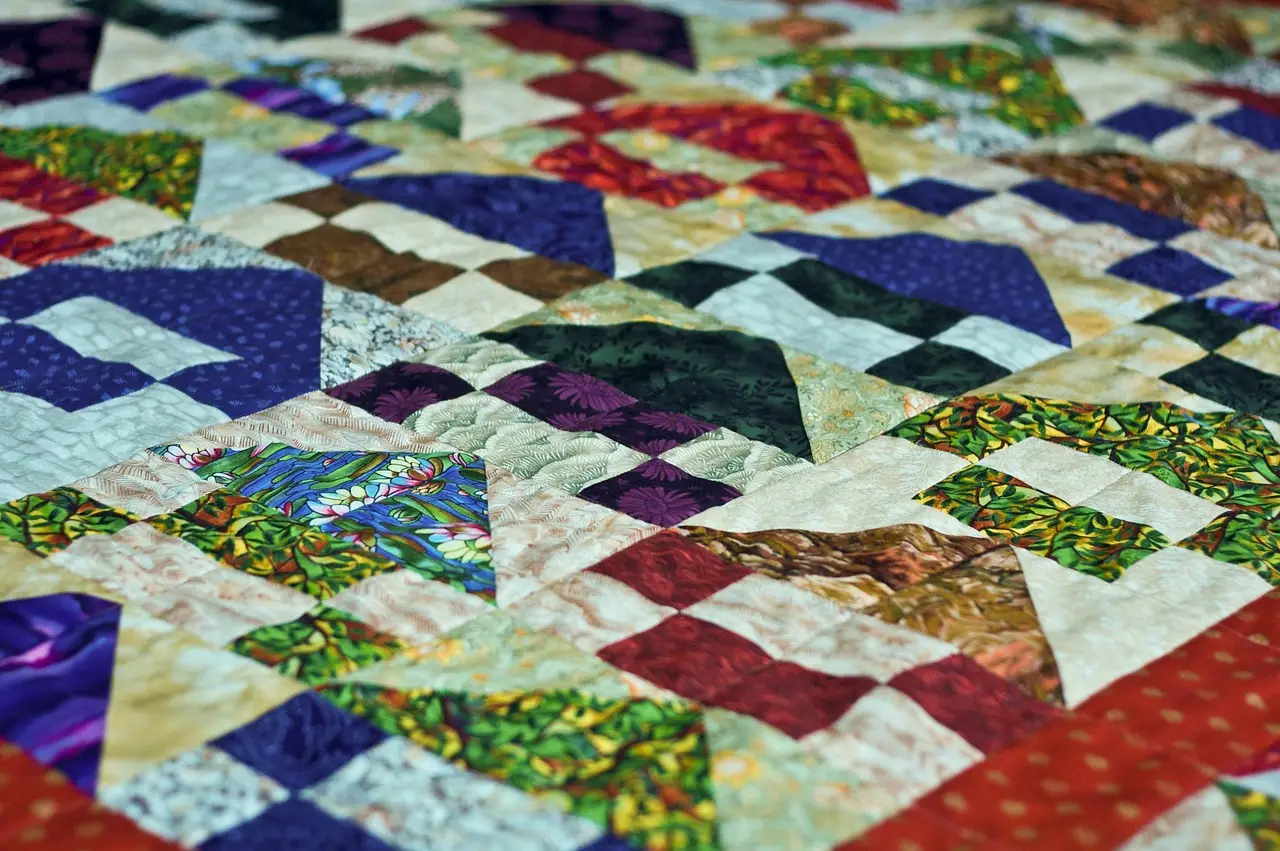
The group raised money for coffins by making and selling quilts, which taught Tyler the craft. One quilt was raffled at the Angola Prison Rodeo, a biannual public event, and raised $30,000 for the hospice program.
Seiferth’s museum holds one of them, “The Tree of Life.” He said: “It has the names and people, you know, it's basically made of people. Essentially, of human forms.”
Tyler never received a pardon. A 2016 U.S. Supreme Court ruling required states to give new sentences to people who had received life without parole as juveniles. As a result, the St. Charles Parish District Attorney proposed a sentence of manslaughter for Tyler.
Tyler, desperate to leave Angola, agreed and was released at 58 soon afterward. The St. Charles Parish District Attorney declined to comment. The account does not identify the Supreme Court ruling or set out the terms of the new sentence.
Tyler said: “The [criminal justice] system is unfairly administered, especially to the people of color and poor people in the United States. There are better ways of being able to adjudicate, or punish a person in prison humanely.”
His current portrait quilts depict incarcerated men and women he met behind bars, and now honor those still locked up. Tyler said: “Because when you see Sandra Stall, Trinidad, Big Toe, Mary, and Bertha, that's my way of showing moral and spiritual support.”
Only Mary and Bertha have been released. At the opening reception, Caton Vance, who was admiring Tyler’s work, said: “I think it mostly has to do with dealing with consequences that are beyond imagining and somehow, despite the environment, finding hope.”
Does the exhibition change what happens to the people in Tyler's portraits?
No such change is documented in the available information. Tyler calls his portraits a form of moral and spiritual support. The Grand Rapids show brings his work to a museum audience, and the Smithsonian has acquired one piece.
No proceeds program, prison partnership or continuing support arrangement is described. Without a stated mechanism, the exhibition’s clearest documented effect is recognition, not a demonstrated change in the prisoners’ conditions.
Original: simonandschuster.com
More from Tom Whitfield
Show full bio
Market editor covering people, launches and day-to-day practice in arts in the broadest sense at Arts & Voices.
759 articles