British Museum Chairman 'Still Optimistic' on Parthenon Marbles Deal
George Osborne says he is 'still optimistic' on a Parthenon Marbles sharing deal, as Mitsotakis warns the dispute is 'an issue for Europe' at next month's EU-UK summit.
Programme
- Phidias made the Parthenon Marbles between 447 and 432 BCE; Lord Elgin removed them in 1801.
- The British Museum Act 1963 prohibits the museum from deaccessioning objects in its collection.
- Talks with the Acropolis Museum nearly produced a deal in 2023, but it never materialized.
- Mitsotakis called the marbles 'an issue for Europe' at the University of Athens on October 6.
- The EU-UK summit convenes in Brussels next month.
By Marcus Bennett
British Museum chairman George Osborne said in Athens on Tuesday that he remains confident London and Athens can strike a deal to share the Parthenon Marbles, ending a diplomatic feud now more than two centuries old.
"I'm still optimistic that we can reach an agreement," Osborne told reporters. "If everyone enters into it with the spirit of we're not going to get everything we want, as is always the case with a successful agreement, then there's a deal to be done."
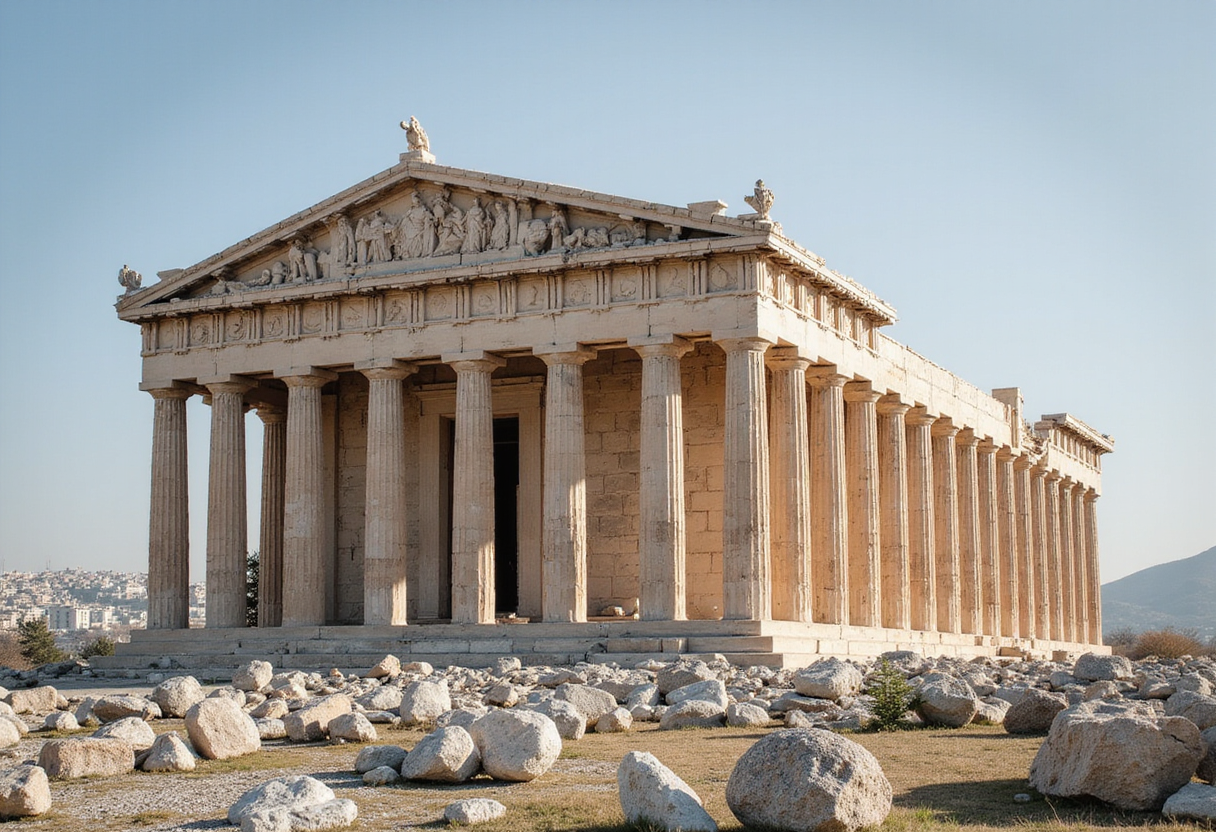
The sculptures at stake are not minor works. The Greek sculptor Phidias made the marbles between 447 and 432 BCE. They depict gods and processions in marble relief panels, sculptures, and friezes. Lord Elgin, the Scottish nobleman and British ambassador to Constantinople, removed them from the Acropolis in 1801, while Greece was under Ottoman occupation. He later sold them to the British government, and the British Museum has housed them ever since.
Why the dispute has resisted every deal
Greece has demanded the marbles' return since gaining independence from the Ottoman Empire in 1832. Its argument is simple: Elgin had no legal grounds to remove the sculptures. British officials counter with the British Museum Act 1963, which bars the museum from deaccessioning objects in its collection.
Tensions have escalated in recent years. Athens opened a dedicated museum for the marbles. Reports of leaks and other preservation concerns in the British Museum's galleries have added pressure.
Osborne, a former Chancellor of the Exchequer, has led negotiations between the museum and Greece. In 2023 the London institution confirmed talks with the Acropolis Museum and said a deal was close — one that would return the sculptures to Greece over time as part of a cultural exchange. It never materialized. Greek Culture Minister Lina Mendoni told reporters days later that Greece would not accept any deal affirming the United Kingdom's ownership claim. She proposed instead an exchange keeping treasures of Greek antiquity, including objects of comparable prestige to the Parthenon Marbles, on display in London.
What does this change for the marbles?
For now, nothing is agreed. Osborne set a firm condition: the sculptures must be shared.
"I very much hope we can come to some arrangement whereby the Parthenon sculptures that are in London can be seen in Athens but they have to be shared," he said. "I know that's not the position of everyone in Greece, and I understand that and respect that, but that is our position, and so if we want to make progress, it has to be in that spirit."
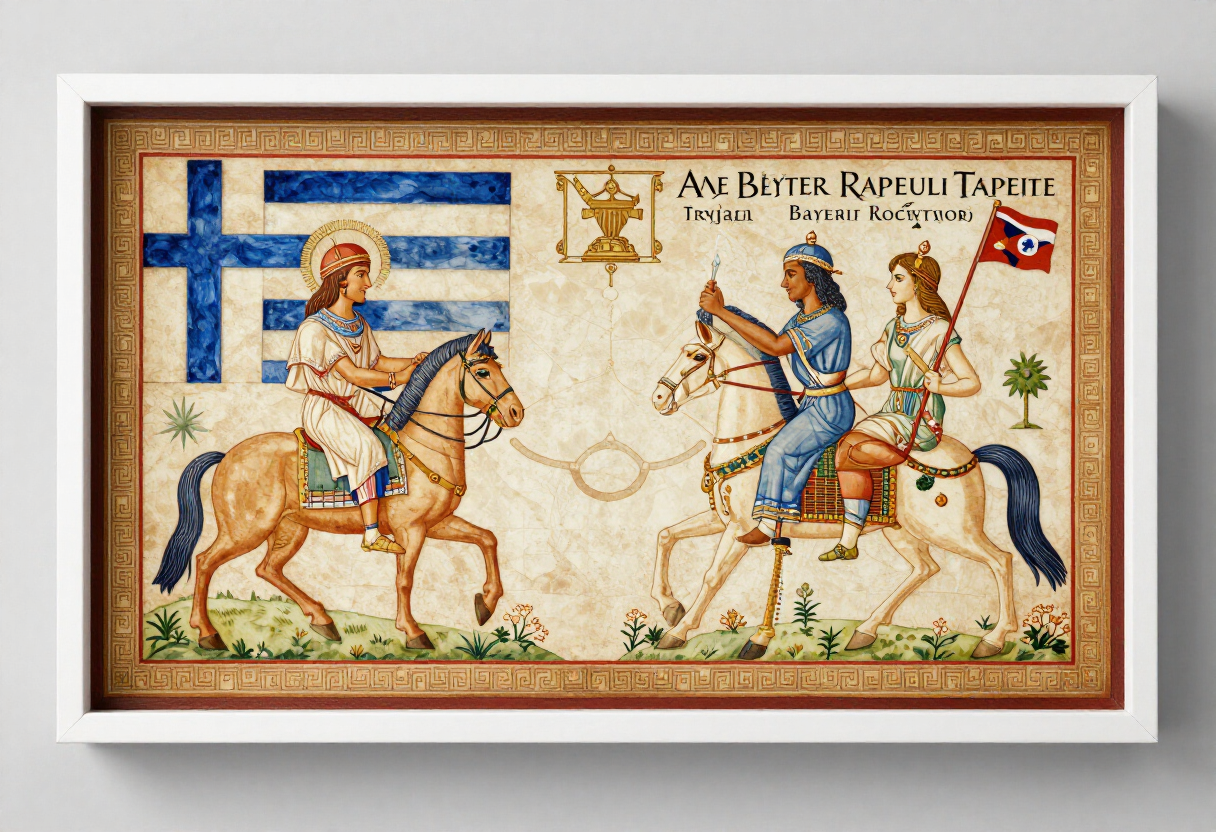
The gap between the two sides was on display in September, when Greek Prime Minister Kyriakos Mitsotakis attacked a proposal by British Museum director Nicholas Cullinan in a Guardian op-ed. Cullinan had called France's loan of the Bayeux Tapestry "a very compelling example of international partnership" and suggested a similar model of "reciprocal exchange" for the Parthenon Marbles.
"Nobody would seriously contemplate cutting what survives of the tapestry in two and displaying half in London and half in Bayeux, and claiming this was an adequate way to understand it," Mitsotakis wrote. "Yet that is exactly what happened to the Parthenon sculptures."
The dispute now moves to a larger stage. World leaders convene at the EU-UK summit in Brussels next month. Speaking at a University of Athens conference on October 6, Mitsotakis indicated the marbles would figure in talks on EU-UK diplomatic ties.
"The Parthenon sculptures will be part of this debate," he said. "This is not just an issue for Greece, it's an issue for Europe."
Osborne's remarks in Athens signal that London wants a settlement before the summit forces the question.
Original: primeminister.gr
More from Marcus Bennett
Show full bio
Staff writer covering people, launches and day-to-day practice in arts in the broadest sense at Arts & Voices.
526 articles