Hiroshi Yoshimura's Quiet Forest: The Album Born in a Rainforest's Silence
Hiroshi Yoshimura's 1996 album Quiet Forest, his last, turned the silence of Washington's Hoh Rainforest into wistful synth landscapes. "It felt as though I had stepped inside a stage set."
Programme
- Quiet Forest, released in 1996, was Hiroshi Yoshimura's last full-length album issued in his lifetime.
- The album was inspired by Yoshimura's visit to the Hoh Rainforest in Olympic National Park, Washington State.
- Yoshimura's 1986 album Surround, composed for prefabricated homes, is regarded as his genre-defining masterpiece.
- His practice drew on John Cage's 4'33" and Erik Satie's 'furniture music' experiments.
- He built some of Japan's first semi-permanent musical installations in museums, airports, hotels and subways.
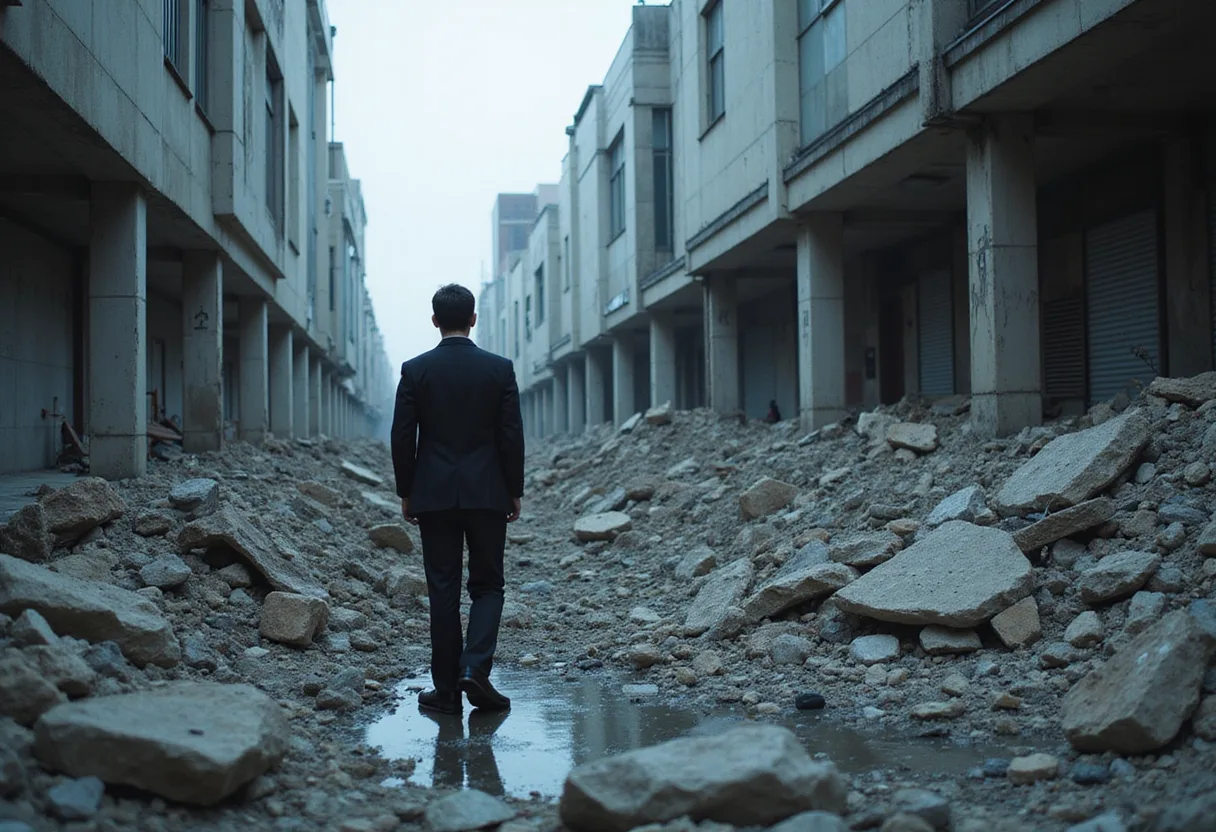
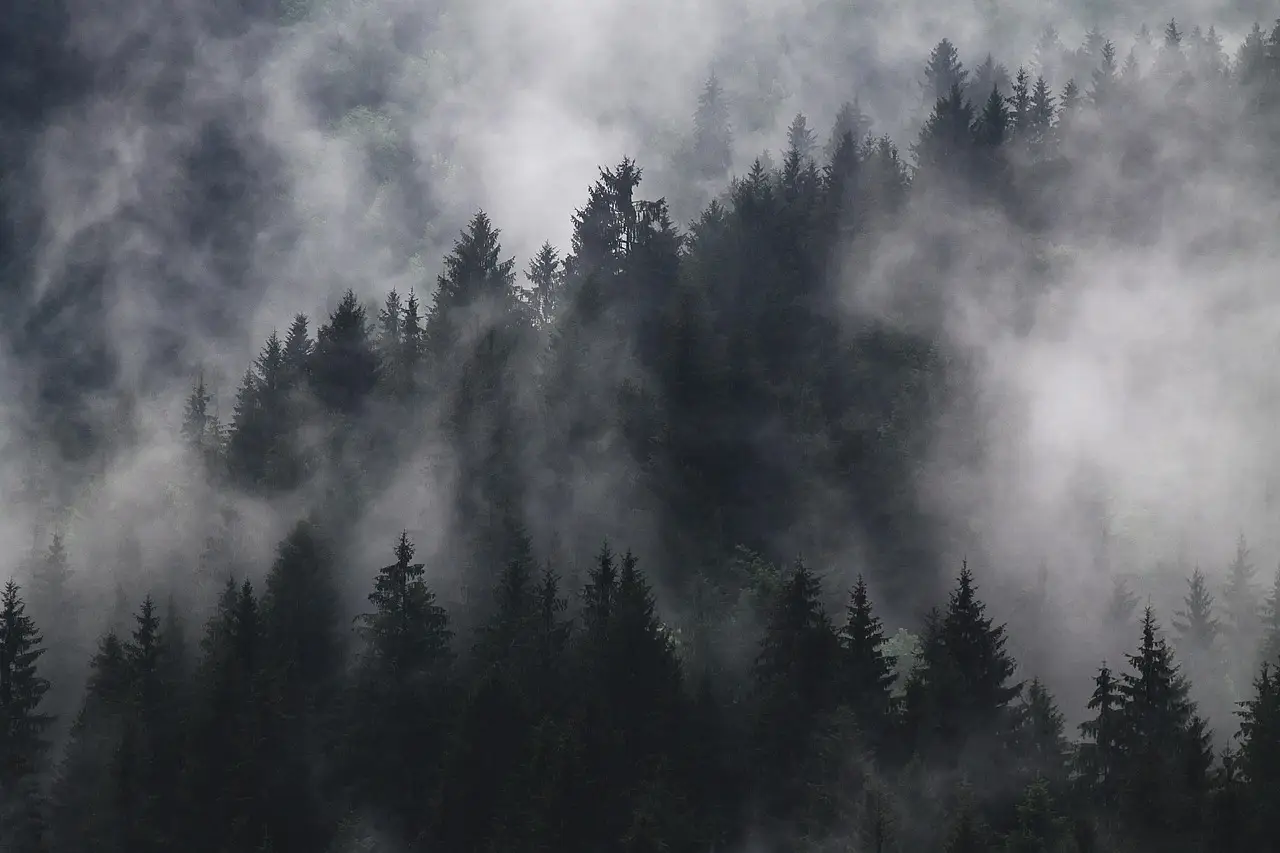
Hiroshi Yoshimura's final album, 1996's Quiet Forest, began with a discovery: near-total silence in Washington State's Hoh Rainforest. The Japanese composer visited the Olympic Peninsula national park and found ancient spruce and hemlock trees stretching hundreds of feet high, their branches shedding strands of lichen like flowing locks of hair, their trunks flocked with fuzzy moss. "It felt as though I had stepped inside a stage set," Yoshimura said of his surroundings.
What surprised him most wasn't the sights. It was the sound—or the lack of it. When the rainfall stopped and the forest's fauna stood still, barely a noise penetrated the verdant canopies.
For a composer of Yoshimura's inclinations, that quiet posed a challenge: to find music in subatomic movements.
Who was Hiroshi Yoshimura?
By 1996, Yoshimura had already secured his place as a pioneering figure in environmental music—the Japanese genre treating sound as a designed element of a space rather than a foreground spectacle. He created some of the first semi-permanent musical installations for Japan's public spaces, bringing ambience into museums, airports, hotels and subway systems.
His theory was straightforward. Ambient sound would encourage people to consider their surroundings, and the smallest sounds of the environment would add rich texture back into the music. The intellectual lineage is explicit: John Cage's 4'33"—the 1952 composition consisting of ambient silence—and Erik Satie's early-20th-century experiments in what Satie called "furniture music," works meant to be heard rather than listened to.
Like any good theory, Yoshimura's evolved as more data points came in. His curious ear carried him through distinct phases:
- Surround (1986): scores composed for prefabricated homes, the genre-defining masterpiece that made his name synonymous with domestic ambient sound.
- Flora: audio diaries of his strolls through the manicured gardens of public parks.
- Quiet Forest (1996): a final stylistic shift, with Yoshimura assuming the role of a fanciful landscape painter.
Quiet Forest was the last full-length album issued in his lifetime.
What does Quiet Forest actually sound like?
The album pairs wistful synth melodies with pulsing vibraphones and steady drum beats. Yoshimura filters the magical realism of the Hoh Rainforest through peaceful repose rather than literal transcription.
The comparisons write themselves, though Yoshimura earns them. The swells of synthesizer on "Sunrise" evoke luminous beams zig-zagging through a labyrinth of trees. The gentle mallet strikes of "After Rain" sound like beads of dew rolling off leaves onto swollen soil.
Field recordings appear, but sparingly. Birdsong and rushing water surface on "Dancing Creek." Elsewhere Yoshimura mostly prefers to be musically descriptive, not literal—a painter working in tone rather than tape.
Why does the album still matter?
Quiet Forest closed a career spent dissolving the line between music and room. Yoshimura started with installations in subway systems and ended with an imaginary landscape painted entirely on synthesizers, and the two projects share the same logic: sound that asks you to notice where you are.
The album remains a document of a composer who took a rainforest's silence as a creative brief. Its quiet tracks suggest that the answer to "what is music in subatomic movements?" was there all along—in dew, in dawn light, in the space between notes.
Source: pitchfork.com
More from Daniel Okafor
Show full bio
News editor covering companies, deals and strategy in arts in the broadest sense at Arts & Voices.
1,358 articles