How a Coyote Led Priyanka Kumar to Draw Her New Book's Art
Naturalist-author Priyanka Kumar drew the artwork for 'The Grassland Queen' in four weeks, after her curlew photographs were ruled out for color publication.

Programme
- Priyanka Kumar drew the artwork for 'The Grassland Queen' in roughly three to four weeks before production.
- The book follows the long-billed curlew, the largest shorebird in North America.
- Henry David Thoreau invented a graphite grinding machine in 1844 to improve American pencils.
- A publicist's chance visit to Kumar's studio confirmed the drawings would be the book's art.
- 'The Grassland Queen' is published by Princeton University Press.
Author and naturalist Priyanka Kumar drew the artwork for her new book, The Grassland Queen: An Avian Love Story in the American Plains, in roughly four weeks, after learning her curlew photographs would not be published in color. The book, out from Princeton University Press, follows the long-billed curlew — the largest shorebird in North America — through the animal communities of the American grasslands.
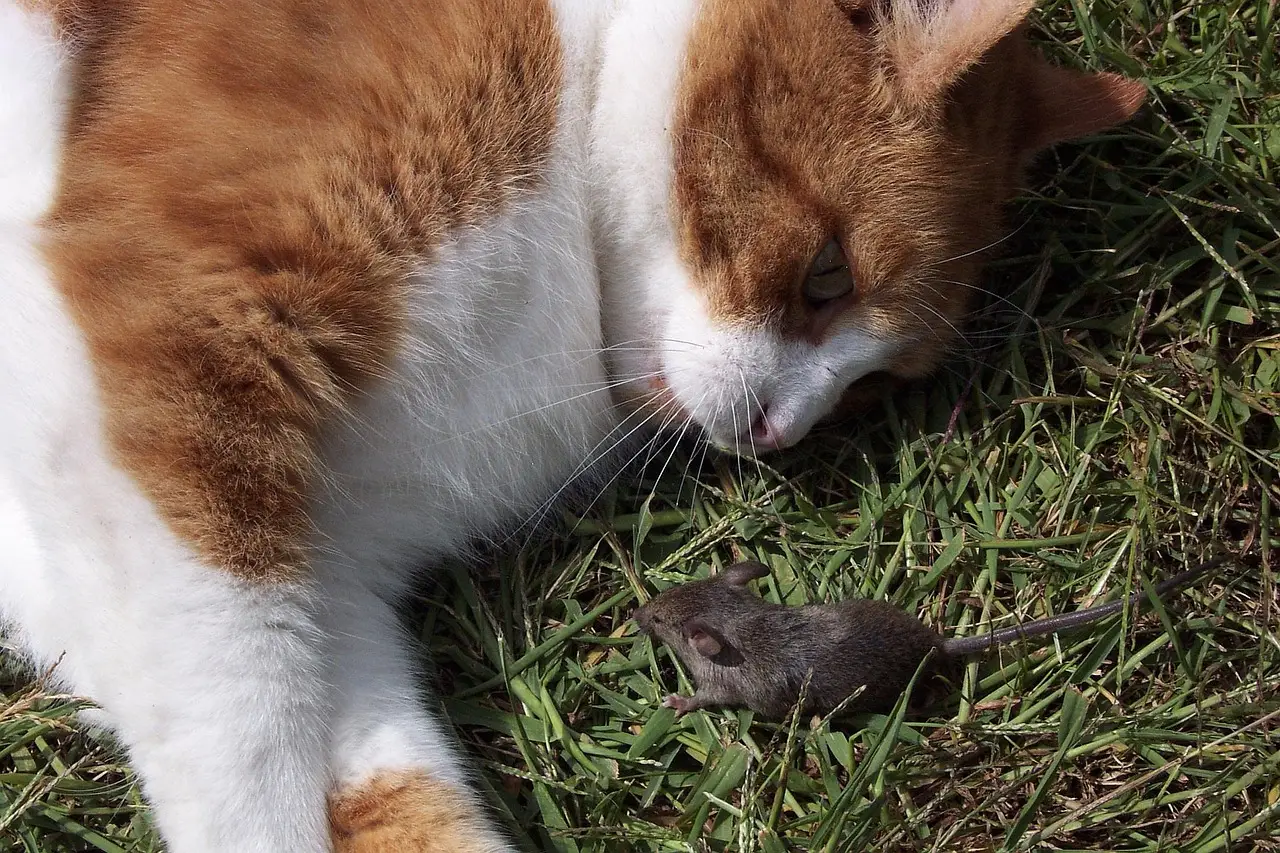
The turn toward drawing began with a coyote. On a snowy winter afternoon, Kumar tried and failed to photograph a coyote slipping out of what she calls the "microwild" around her home — a concept she coined while writing The Light Between Apple Trees to describe fragments of nature large enough to sustain plant and animal biodiversity. The failed shots, she writes, "looked like Cubist art." After the animal left, she spontaneously began to sketch it.
Why photographs weren't enough
Kumar's original plan was to submit her long-billed curlew photographs for the book. When she learned they would run only in black and white, she reconsidered. Some images were visually striking, she writes, but they wouldn't carry the emotional resonance she wanted. "I wanted readers to feel the intimacy I had experienced while observing the curlews."
The clock was tight. The book was going into production the next month, and she had three to four weeks to deliver artwork. She had loved art in high school and won a few national prizes, and she routinely makes field sketches — but those had always been for her own reference. She ran "flash experiments" to test whether she could transmit how she sees the birds.
Her first three attempts at drawing curlews, she admits, "weren't any good." Working in the mornings, she began prioritizing drawing over field work. Then came a shift: "I entered a space where I was engaged in pure drawing — the pencil moved without thoughts getting in the way." Even after years of research, she got excited, "even unsettled," to see the curlew's eight-inch-long bill realized on paper.
Pencils, with a lineage
Kumar frames her materials with a literary genealogy. John Steinbeck sharpened his stock of Blackwing pencils each morning and complained in his journal about sore fingers. Henry David Thoreau made pencils, and after an 1840 stint at the Harvard Library discovered that mixing finely ground clay with graphite allowed his pencils to be graded from soft to hard; in 1844 he invented a grinding machine that produced exceptionally fine graphite powder. "Thoreau knew that there is nothing like the right pencil," Kumar writes. "I agree." Her own kit: a Staedtler case of twelve Mars Lumograph pencils and a fondness for the 5B.
The validation came by accident. Ahead of speaking at the Santa Fe International Literary Festival, Kumar invited a publicist delivering magazines to her studio for tea. The publicist noticed the stacked drawings and paused. "Oh, yes!" she said when asked if she'd like a look. She was soon, in Kumar's words, "oohing and aahing and all but talking to the curlew chick" — the moment Kumar knew the drawings would be the book's artwork.
What does this change for the reader? The Grassland Queen arrives carrying not just years of grassland field work but an author's hand, literally — pencil drawings made in an intensive month that, as Kumar puts it, drew an arc from the working naturalist she is now back to the child who "inexplicably got high on royal-blue ink."
Original: bookshop.org
More from Grace Kim
Show full bio
Correspondent covering technology and product news in arts in the broadest sense at Arts & Voices.
1,102 articles