Tanya Merrill Paints Her Way Out of Anthropocentrism, Upstate
Tanya Merrill's 'Land animal, house animal' turns a June birth and an upstate move into oil-and-graphite paintings of cats, cows and marsh hawks.
Programme
- Tanya Merrill gave birth to her daughter in June 2026.
- The exhibition is titled 'Land animal, house animal', in oil and graphite.
- 'Marsh hawk' (2026) depicts the Northern harrier she observes from her upstate studio.
- Merrill relocated from New York City to upstate New York.
- The bird paintings echo regional folk art and Audubon.
Tanya Merrill gave birth to her daughter in June. Somewhere between feedings, she produced the oil-and-graphite paintings now on view in her exhibition Land animal, house animal.
The show's premise is straightforward. Merrill, who recently relocated from New York City to upstate New York, challenges what she sees as a pervasive anthropocentric worldview — one that deems humans superior and animals lesser. Her rebuttal takes paint and graphite, not polemic.
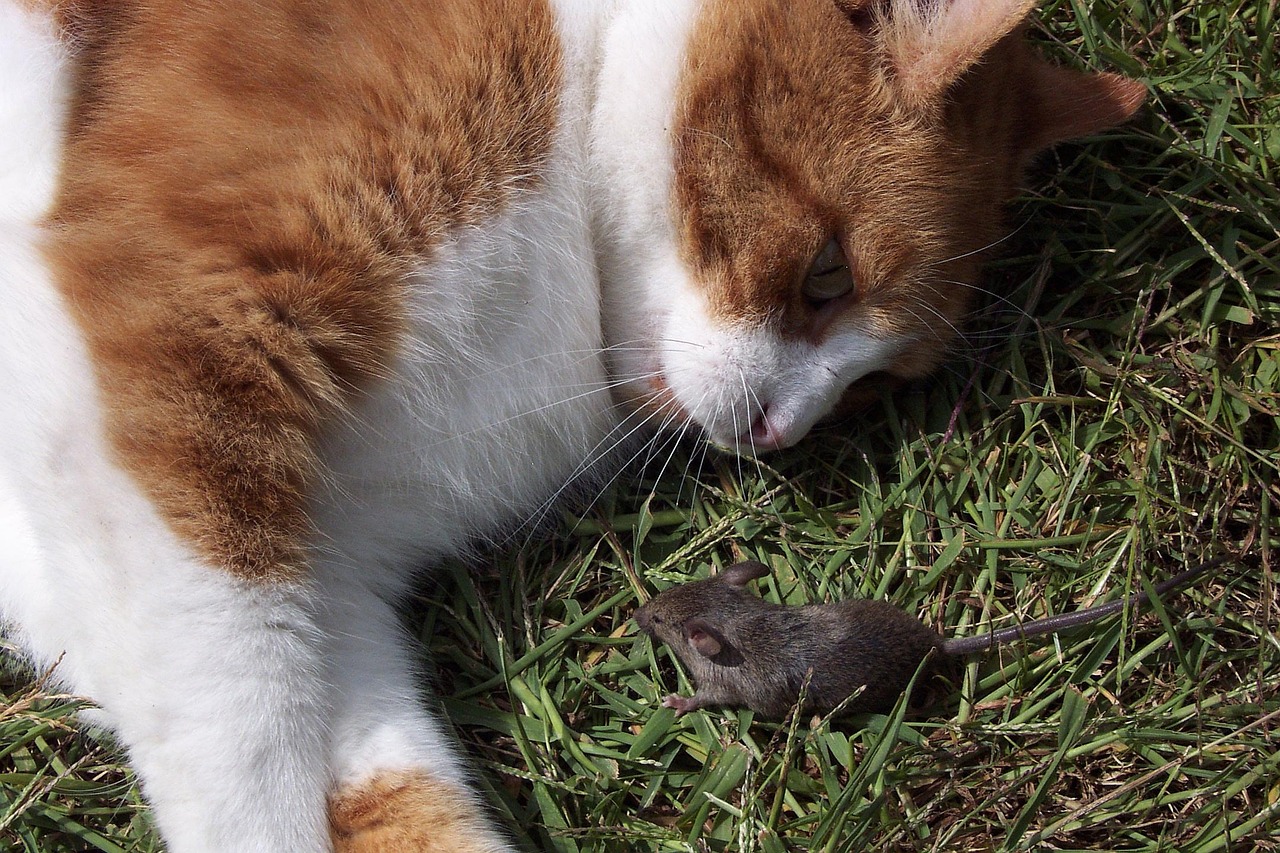
The cast is local and specific. It includes a cat, rendered in two paintings described as terrific. A wide-eyed dairy cow gets the full inquisitive treatment. And then there's the star: the Northern harrier, also called the marsh hawk, a bird Merrill frequently observes from her studio.
In Marsh hawk (2026), the raptor sits with piercing eyes and what the source describes as luscious gray, white and black feathers. The painting deliberately echoes two traditions: regional folk art and John James Audubon, the nineteenth-century naturalist whose bird portraits set the standard for the genre. Merrill borrows the lineage and points it somewhere less hierarchical.
What changed to produce these paintings?
Two life-changing events, per the source: the birth of Merrill's daughter in June, and the family's move from New York City to upstate New York. Both are framed as lying at the heart of the new body of work.
The method is consistent across the show. Merrill works in oil and graphite, combining the material sheen of painting with the draughtsman's line. She foregrounds local animals as sentient beings with their own motivations and desires — not props for human allegory, not décor. A cow looks back. A hawk watches. The viewer is being observed, in other words, as much as observing.
Horse at night (2026), oil and graphite on linen, extends the nocturnal end of the menagerie.
Why it matters
The move upstate functions as more than biography. Relocation placed a working painter inside a new ecology — dairy cows, harriers, the cat presumably holding the house — and the paintings register that shift as subject matter rather than backdrop. Merrill's argument, that animals merit moral and pictorial centrality, arrives through attention: close eyes, specific feathers, an animal's own gaze.
Whether the anthropocentric worldview actually yields to eleven-ish canvases is another matter. But Land animal, house animal makes the case the best way painting can. It looks closely, and it lets the subject look back.
Original: storage.ghost.io
More from Daniel Okafor
Show full bio
News editor covering companies, deals and strategy in arts in the broadest sense at Arts & Voices.
587 articles