How Theatre Horror Masters Build Fear: Silence, Shadows and the Jaws Effect
Sam Beech's real 1am car-park scare and Chris Fisher's 'Jaws effect' explain why Blackout and Paranormal Activity terrify with silence and shadows, not monsters.
Programme
- Blackout tours the UK to 27 February 2026.
- Paranormal Activity runs at London's Ambassador's theatre to 27 February and then tours the UK.
- Sam Beech's car sensor went off for half an hour at 1am with nothing visible behind him.
- Beech had seen Andy Nyman's 2010 play Ghost Stories four times.
- Illusions designer Chris Fisher calls the technique 'the Jaws effect'.
Two horror shows are touring the UK simultaneously, both closing on 27 February: Sam Beech's immersive chiller Blackout and the stage adaptation of Paranormal Activity, currently playing London's Ambassador's theatre. Both bet on the same technique. They frighten audiences with absence rather than spectacle.
The Guardian asked the creators of these productions how they make theatre audiences gasp in terror, at a moment when horror fills the stage — from Blackout to the campily scary 2:22: A Ghost Story.
What happened to Sam Beech at 1am?
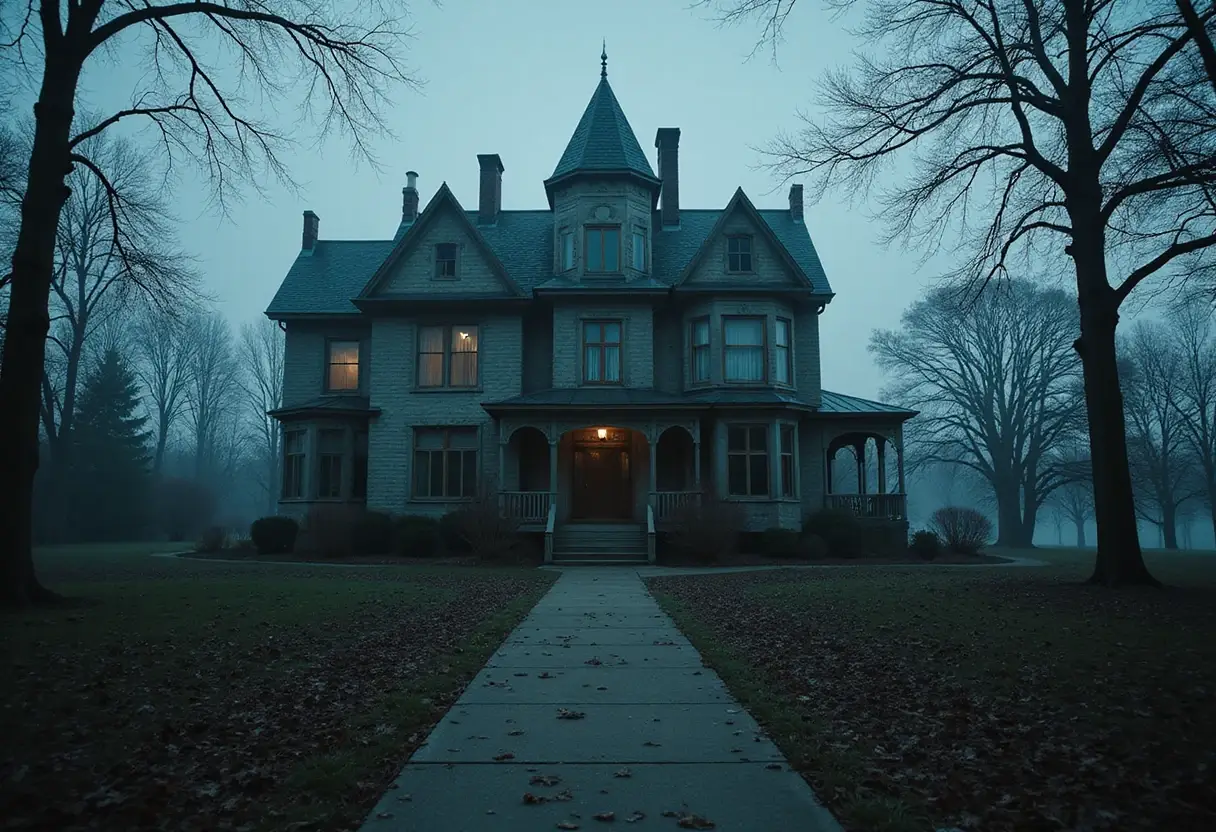
The seed of Blackout lies in a real incident. It was 1am. Total darkness. Sam Beech, a writer and director, was locking up a wedding venue when his car sensor went off: something was behind him.
"It went on for half an hour," Beech recalls. "On the front bumper, then round the back. But every time I looked, there was nothing."
The unseen thing kept snuffling around the car. So Beech stopped looking. "I thought: 'If I don't look behind me, it won't get me.'" Since that night, he admits, "I don't like driving in the dark."
The experience echoed a scene in Andy Nyman's hit 2010 play Ghost Stories, which Beech had seen four times. When the sensor triggered in the dark, the gnarly end that character met on stage filled his mind. The uncanny encounter now feeds directly into Blackout, which uses everything that scared him that night: the quiet, the absence, the idea of something lurking in the shadows.
Why is the unseen scarier?
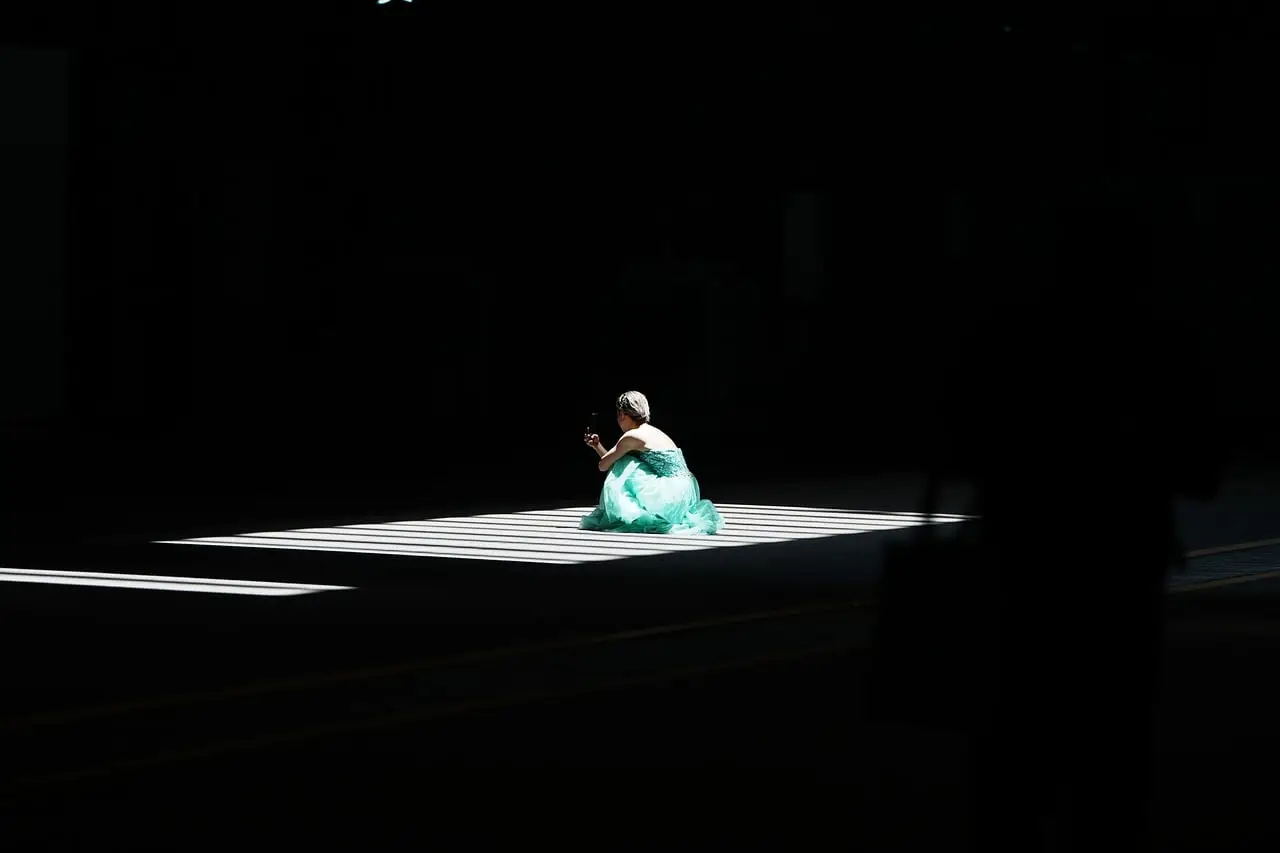
Chris Fisher, the illusions designer behind the stage show of Paranormal Activity, has a name for the principle. "It's the Jaws effect," Fisher says. "It's scarier to see the fin and hear the music than it is to see the mechanical head of the shark."
The approach works. The Guardian's writer reports that Paranormal Activity prompted sheepish checks under the bed for several nights, and stopped just short of nightmares.
What does this change for theatre horror?
It confirms a shift away from visible monsters toward engineered dread — sound design, darkness, negative space — as the genre's core tools. Audiences have until 27 February to test their nerves against both shows on UK stages.
Original: paranormalonstage.com
More from Marcus Bennett
Show full bio
Staff writer covering people, launches and day-to-day practice in arts in the broadest sense at Arts & Voices.
919 articles