I Died review: Tzotzil women confront patriarchal violence
Ana Ts'uyeb's I Died films three generations of Tzotzil women in Naranjatic Alto, Mexico, recounting abuse and new land rights won through the Zapatista movement.
Programme
- I Died is the documentary debut of Tzotzil filmmaker Ana Ts'uyeb, shot in her home village of Naranjatic Alto in the Mexican highlands.
- The film centres on three women from different generations: her mother Margarita, her aunt Juana and her sister-in-law Faustina.
- All three women experienced blocked education and physical and psychological abuse at the hands of male relatives.
- The Zapatista movement ended these women's exclusion from land inheritance, allowing them to work their own land.
- The film provides little historical context on Zapatista activism, its main weakness according to the review.
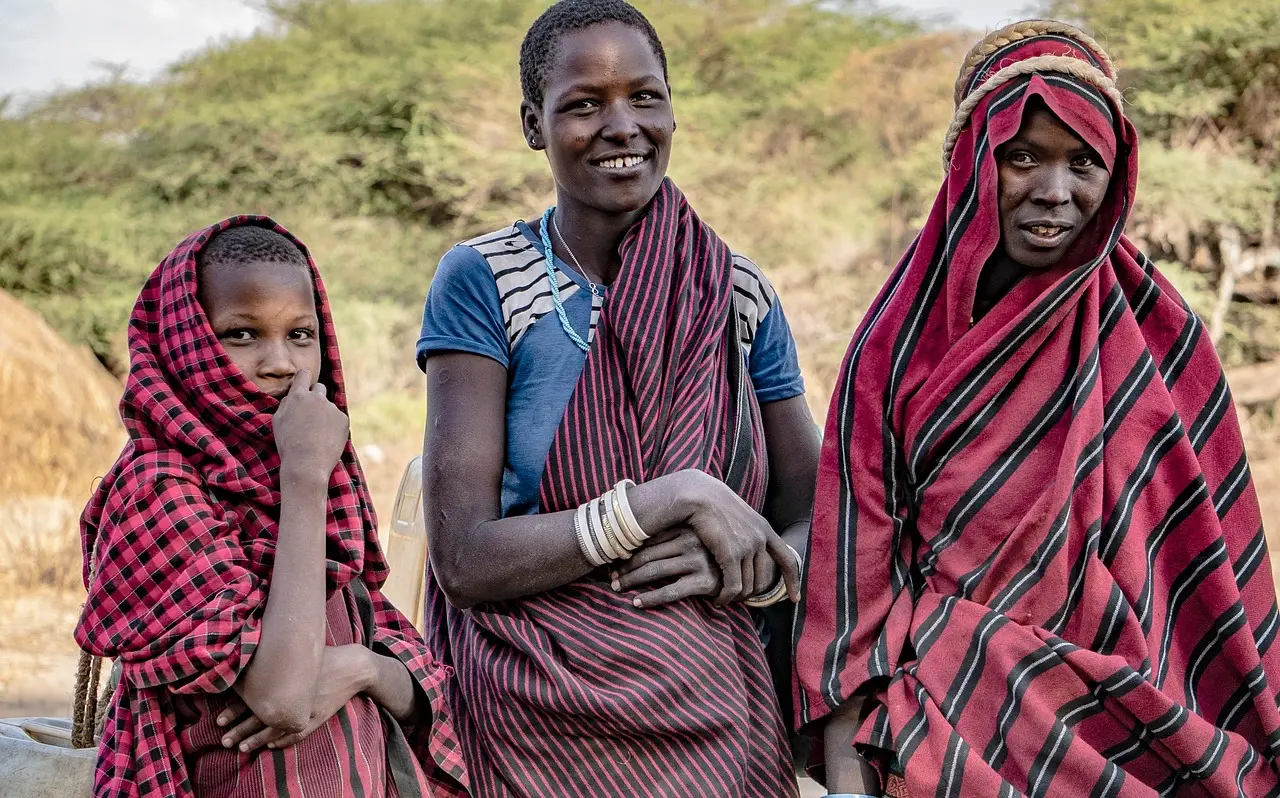
Ana Ts'uyeb's debut documentary I Died turns the camera on three women in her own family — her mother Margarita, her aunt Juana and her sister-in-law Faustina — all survivors of patriarchal violence in Naranjatic Alto, their Indigenous Tzotzil village in the Mexican highlands.
The film's premise is simple and, in its restraint, devastating. Three generations of women, one shared experience. Each recalls chances to continue her education, and each saw those hopes shut down by fathers and other male relatives. Physical and psychological abuse runs alongside the blocked ambitions.
Ts'uyeb doesn't stage sit-down interviews. Instead, she films her subjects at work: weaving cloth, sieving grain, and labouring through harvest. These observational vignettes (short, diaristic scenes without narration) do double duty. They register collective resilience, and they function as a visual archive of Tzotzil customs and traditions.
What changed for these women?
The practical question the film raises is land. Tzotzil women were historically exploited for their labour yet excluded from inheriting land. The Zapatista movement — the Indigenous-led insurgency that fought for land reform in Chiapas — changed that equation. The three women can now pour their work into land of their own.
The film's tonal signature is the matter-of-fact way the women speak about abuse. There's no melodrama in their reminiscence; the review notes their experiences "appear to be a common reality endured by many Tzotzil women." That flatness is the point. The violence is systemic, not exceptional.
What the film leaves out
There is a genuine gap. For viewers unfamiliar with Zapatista activism, I Died offers little context on the movement's history of land reform struggles. The review flags this as the film's main weakness. Even so, the focus on the women's interior lives still carries emotional weight.
One scene crystallizes the film's quiet optimism. Margarita walks ahead of her daughter, clearing an uneven path with great tenderness. The review reads the gesture as symbolic: years of generational trauma may have come to an end, and a new future awaits the women of Naranjatic Alto.
Why it matters
Ts'uyeb's method — family as subject, labour as form — makes I Died both a personal portrait and a document of a community at a turning point. For audiences outside Chiapas, it works best as an introduction to Tzotzil women's lives rather than to Zapatista history, and it suggests a filmmaker worth following as her documentation of Indigenous custom continues.
Original: en.wikipedia.org
More from Grace Kim
Show full bio
Correspondent covering technology and product news in arts in the broadest sense at Arts & Voices.
991 articles