Ulrike Ottinger Says 'The Blood Countess' Was Cut Against Her Wishes
Director Ulrike Ottinger told TIFF her Isabelle Huppert vampire film "The Blood Countess" was cut by 15-20 minutes under pressure, and Germany's new automatic FFA funding squeezes small films.
Programme
- Ulrike Ottinger said 'The Blood Countess' was cut by 15-20 minutes against her wishes at the Tokyo International Film Festival.
- The film, starring Isabelle Huppert, world-premiered at the Berlinale in February.
- Ottinger said the production cost at least €7 million ($8 million) today versus €2.5-3 million for her self-produced films.
- Since Jan. 1, 2025, FFA production support is allocated automatically based on admissions and festival success, replacing jury selection.
- Germany's economic film funding reaches €250 million for 2026; the 2027 draft plans about €200 million.
Ulrike Ottinger told the Tokyo International Film Festival that her Isabelle Huppert vampire film "The Blood Countess" lost as much as 20 minutes against her wishes. The Tokyo event is hosting a retrospective of the veteran German filmmaker's work.
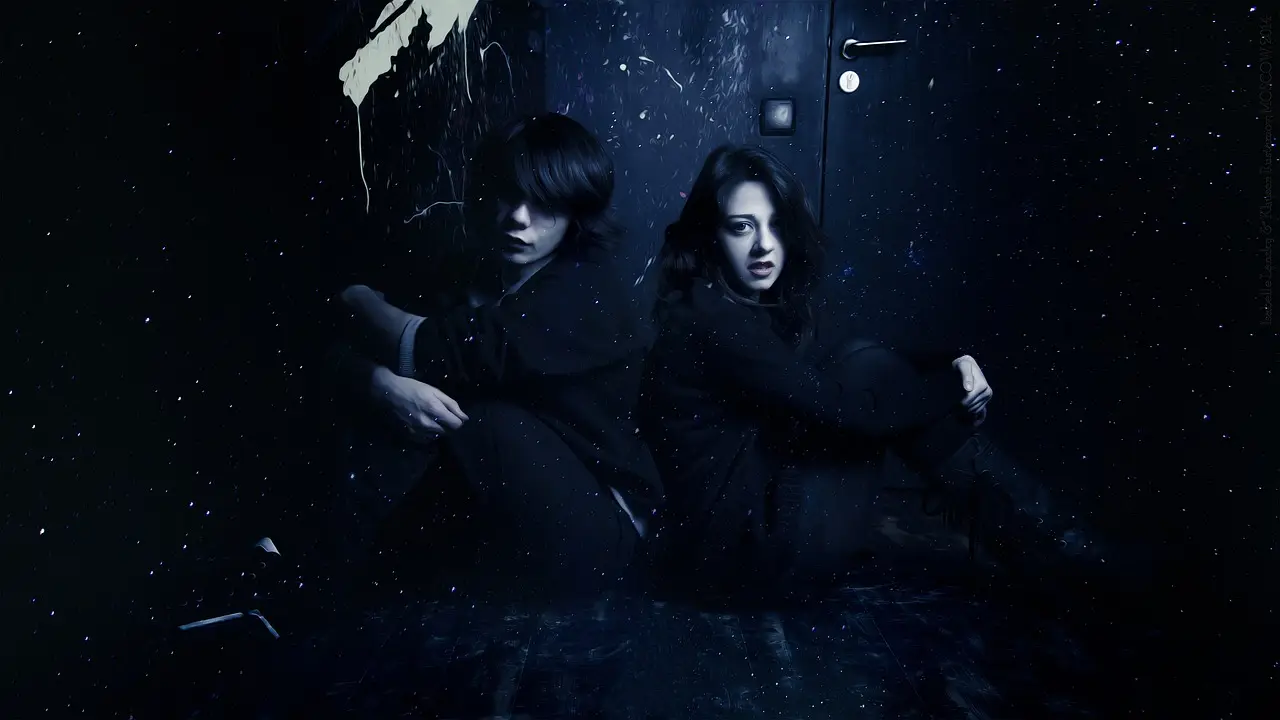
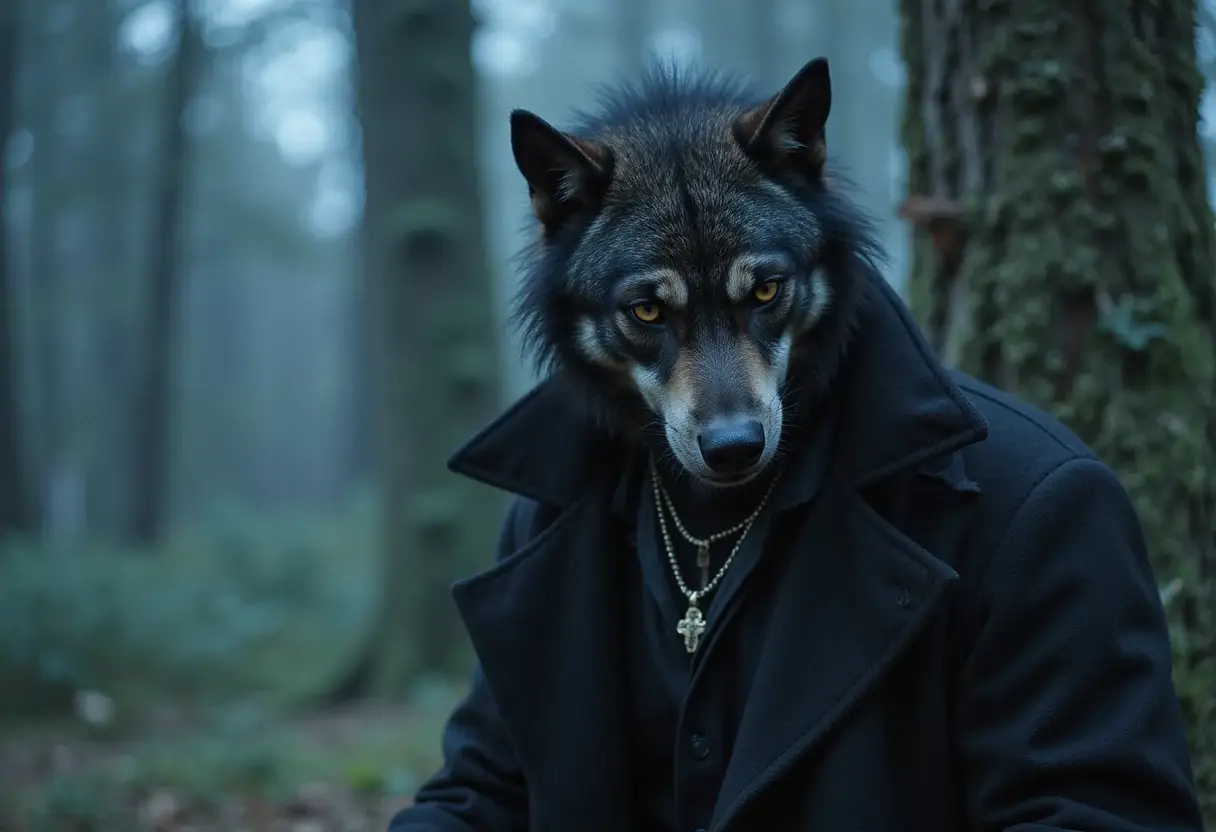
In "The Blood Countess" ("Die Blutgräfin"), Huppert plays a vampire countess who resurfaces in present-day Vienna. Lars Eidinger and Burgtheater actor Birgit Minichmayr co-star. The film world-premiered at the Berlinale in February.
What happened to the film's rhythm?
Ottinger said her preferred version ran 15 to 20 minutes longer. "The film originally had a wonderful rhythm, exactly as it was. Then I began cutting it because everyone was forcing me to. Once I started shortening it, the rhythm no longer worked," she said at a German cinema evening at the festival.
She then had to recut the whole film to restore balance at the shorter length. "From my point of view, it's perfect now, but it was a big job to rework it again," Ottinger said.
Why did it cost so much?
"This was indeed the most expensive film I've ever made," Ottinger said. She had wanted 40 shooting days; the production gave her 30. Her crew topped 100 people, and she said she would rather have worked with half that number, more closely together, with more days in return.
Her diagnosis of the cost inflation is procedural. "What makes it so expensive today are these extremely extensive safety measures. Some of them are very important, but a great many are completely excessive, senseless and bureaucratic," she said.
When she produced her own films, Ottinger could make them at high quality for €2.5 million–€3 million ($2.9 million–$3.5 million). Meeting all current requirements now demands a budget of no less than €7 million–€8 million ($8 million–$9.2 million). "That's also why I no longer produce my own films," she said.
The principal cast were her own picks. Huppert had stayed with the project for 20 years, and Eidinger was enthusiastic about taking part. "What I need in my film are actors who can always play something different," Ottinger said.
Vienna supplied much of the inspiration: the Narrenturm, an underground lake, Habsburg burial sites and the dynasty's practice of triple burial. "All these things inspired me very much. That's also why I chose the vampire genre," Ottinger said. Nihon University German film professor Shibuya Tetsuya, who gave an introductory lecture on German cinema, noted the film even features a vegetarian vampire.
Ottinger, who came to filmmaking from the visual arts, described herself as an outsider in German cinema, making image-driven films rather than psychological dramas. "Perhaps when you get older, critics no longer dare to attack you quite so readily," she said.
The Tokyo retrospective also includes "Ticket of No Return," the first part of her Berlin Trilogy, and "Under Snow" (2011), shot in Niigata's snow country and on Sado Island.
What does this change for German film funding?
Barbara Wurm, the Austrian head of the Berlinale's Forum section, appeared later at the same event to discuss contemporary German cinema. "It probably sounds as though German film funding is absolutely wonderful. That impression would only be half right," she said.
Since Jan. 1, 2025, production support from Germany's federal film board, the FFA, has been allocated automatically based on a film's admissions and festival success, replacing the board's own jury selection. Producers now receive money for their next project only if a previous film screened at particular festivals or reached a set number of viewers, and must also make audience projections.
"This is a funding model geared toward a small number of films receiving large amounts of money. That's not beneficial for the breadth of the film landscape," Wurm said, adding that smaller films and documentaries lose out.
The Forum is excluded from the system. "At present, we're not on this reference list. That means the films that screen with us don't get this funding," Wurm said. The FFA's current festival list awards points to German films selected for the Berlinale's Competition, Panorama, Generation and Perspectives sections, as well as Cannes' Directors' Fortnight and Venice's Orizzonti and Critics' Week. The Forum, curated independently by the Arsenal film institute, is not included.
"For the diversity of the film landscape, I would always argue for the opposite, namely funding many films, including small and unseen ones," Wurm said.
Federal funding has also swung sharply. Culture minister Wolfram Weimer nearly doubled the government's economic film funding to €250 million ($288 million) for 2026, money that has already been used up. The 2027 budget draft plans about €200 million ($230 million), subject to parliamentary approval. Jury-based cultural film funding continues alongside the automatic system.
"What's important isn't your passport. What's important is that you're working predominantly with a German production company," Wurm said of filmmakers from abroad. She added that film schools are now so mixed that one can no longer speak of a majority of German filmmakers. As the 2027 budget heads to parliament, the gap between record funding and the narrower funnel deciding who gets it is the question German filmmakers will keep pressing.
Source: Variety Film
More from Grace Kim
Show full bio
Correspondent covering technology and product news in arts in the broadest sense at Arts & Voices.
991 articles