IDFA Screens 250-Plus Documentaries as Nonfiction Cinema Courts a Breakout
IDFA opens with White Tiger Column and screens 250-plus documentaries in November, as hits like Musk and NAZA point nonfiction cinema toward a mainstream breakthrough.
Programme
- IDFA 2026 screens 250-plus documentaries in Amsterdam each November
- Opening night film is White Tiger Column, about a jungle-based guerrilla army in Myanmar
- Documentary hits Musk, NAZA and You Can See Everything are finding large audiences
- Program includes Carol Nguyen's Still Night, Burning House and Raluca Lupascu's A Modern Roma Fairytale
The International Documentary Film Festival Amsterdam is screening more than 250 documentaries this November, as nonfiction cinema rides a wave of hits including Musk, NAZA and You Can See Everything toward what observers call a potential mainstream breakthrough.
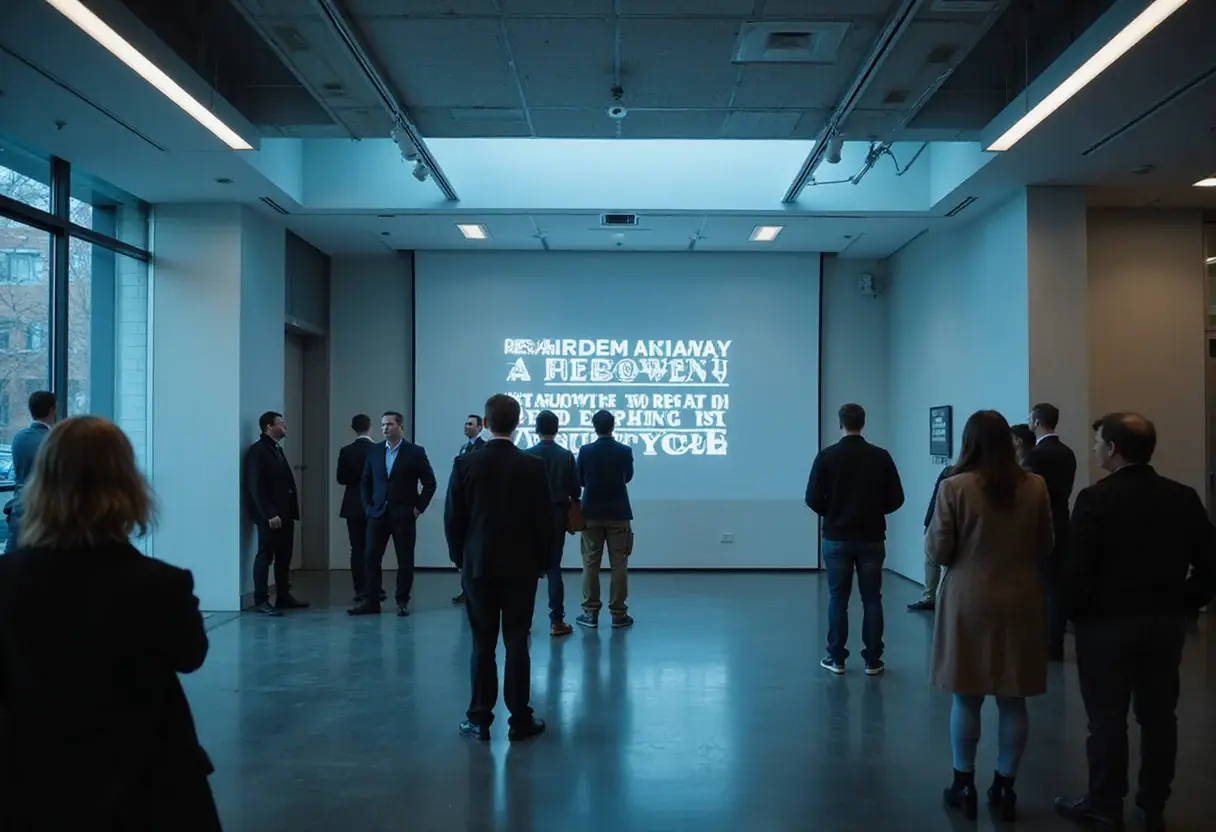
The world's largest documentary festival runs each November in Amsterdam's downtown district, a short walk from the city's torture museum, and its programmers position it as a deliberate counterweight to the red-carpet machinery of Cannes, Toronto and Venice. The forecast at IDFA, as one description has it, is "bracing, stormy, and occasionally chilling. Hours of darkness; no stars."
This year's opening night film is White Tiger Column, which follows a jungle-based guerrilla army in Myanmar. The lineup of 250-plus titles steers viewers through the world's geopolitical flashpoints:
- Forced displacement in the West Bank
- The war in Gaza
- A guerrilla insurgency in Myanmar (White Tiger Column)
- The traumatized children of the Vietnamese boat people, in Carol Nguyen's Still Night, Burning House
- A kitchen-sink tragedy in Raluca Lupascu's A Modern Roma Fairytale
Some of these films, the festival's observers note, could have been torn from the headlines. Others, such as Lupascu's A Modern Roma Fairytale, surface stories previously tucked away out of sight, waiting to be told.
What does the surge in documentary audiences change?
The commercial success of Musk, NAZA and You Can See Everything suggests nonfiction cinema is finding large audiences beyond the festival circuit, and IDFA's scale — 250-plus films across its program — gives that momentum a physical showcase each November. The festival's editorial framing is blunt about the stakes: we might not wish to live in the world IDFA shows us, but we do, and so it pays to stay informed and engaged.
Nguyen's Still Night, Burning House, which traces the lasting trauma among children of the Vietnamese boat people, has drawn particular praise, described as superb in early coverage of the program. Lupascu's A Modern Roma Fairytale has been called gripping.
The festival's setting reinforces its editorial posture. Amsterdam's twinkling downtown, with its tales of crisis and strife, angry resistance and everyday human kindness, stands in sharp corrective to what one account calls the confected dramas and A-list pageantry of the major fiction festivals.
Beyond the films already commanding audiences, the deeper story at IDFA is the backlog: plenty of gripping documentary stories are still waiting for their turn in the spotlight, and the festival's programming suggests the supply of urgent nonfiction material shows no sign of thinning.
Original: festival.idfa.nl
More from Marcus Bennett
Show full bio
Staff writer covering people, launches and day-to-day practice in arts in the broadest sense at Arts & Voices.
1,725 articles