Indonesia's Ulema Council Demands Cancellation of Bocelli Concerts
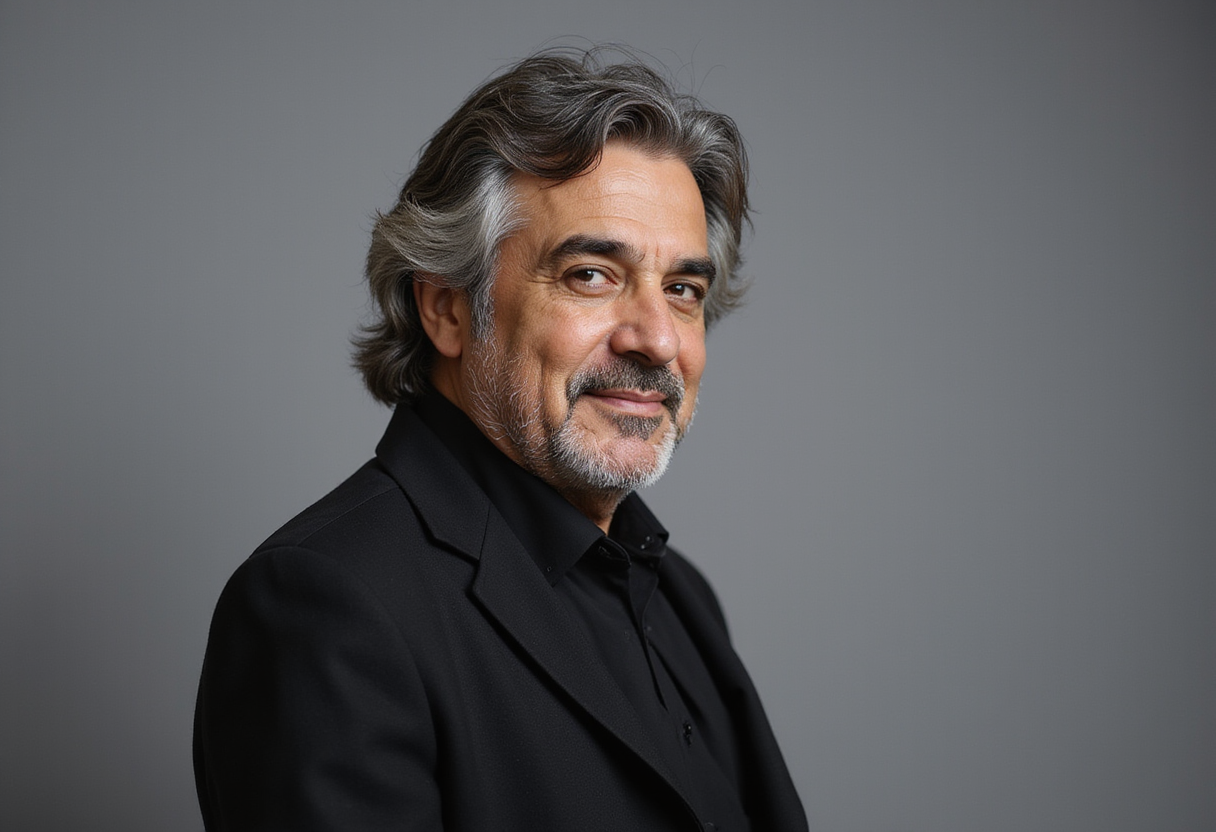
The Indonesian Ulema Council demands the government cancel Andrea Bocelli's October 31 and November concerts, calling him 'pro-Zionist'; the tenor insists his shows carry no political message.
Programme
- The Indonesian Ulema Council has called for the cancellation of two Andrea Bocelli concerts on October 31 and November.
- Council spokesman Professor Sudarnoto Abdul Hakim accused Bocelli of being 'pro-Zionist' and urged the government to act.
- Bocelli responded in a written statement that his concerts carry 'no political message or endorsement of partisan positions'.
- The council frames the demand as consistent with Indonesia's constitutional commitment to opposing colonization of Palestinians.
The Indonesian Ulema Council has called on the government to cancel two Andrea Bocelli concerts scheduled for October 31 and November, citing the Italian tenor's perceived support for Israel.
The pressure group's foreign affairs spokesman, Professor Sudarnoto Abdul Hakim, anchored the demand in Indonesia's founding principles. Indonesia, he said, "historically and constitutionally has a strong commitment to … opposing all forms of colonization and oppression against the Palestinian people."
His language grew sharper from there.
"Zionists are imperialists, sadistic killers, and destroyers of sovereignty and humanity," Abdul Hakim said. "Don't give a stage to anyone who helps fund the killers of Gaza and Palestinian citizens."
What exactly is the council demanding?
The Ulema Council wants the Indonesian government to block both performances outright, not merely to distance itself from them. Abdul Hakim framed the concerts as a transaction that betrays the country's anti-colonial identity.
"Chasing economic gains by presenting a pro-Zionist like Bocelli is not in line with the soul and spirit of the Indonesian nation to eliminate colonialism," he said. "We greatly appreciate it if the government immediately takes a firm stance to cancel this concert."
The statement positions the council against any artist it deems complicit in the Gaza conflict, and it puts the onus on state authorities rather than promoters to act.
How has Bocelli responded?
Bocelli answered in a written statement that stressed the non-political nature of his performances.
"I hope that everyone who comes to listen, whatever their beliefs or convictions, may find something of themselves in their music, and that these concerts will be received in the spirit with which they are offered, without any political message or endorsement of partisan positions," the tenor said.
His response neither addresses the accusations nor engages with the council's characterization of Israel. It restates a position he has held throughout similar controversies: that his concerts belong to no political camp.
Why does this matter beyond Indonesia?
Indonesia is the world's most populous Muslim-majority nation, and the Ulema Council carries significant religious and political weight there. Its intervention turns a pair of stadium-scale concerts into a test of how far governments will go in filtering performers by their perceived stance on the Israel-Gaza war.
The demand comes amid a broader pattern of cultural boycotts targeting artists who have performed in Israel or expressed support for it. For promoters and touring acts, the episode signals that booking decisions in some markets now carry institutional political risk, regardless of what an artist says from the stage.
The government has not yet announced a decision. Whether the October 31 concert proceeds will indicate how much leverage religious bodies hold over Indonesia's live-entertainment calendar.
Source: Slipped Disc
More from Tom Whitfield
Show full bio
Market editor covering industry trends and analytics at Arts & Voices.
419 articles