Programme
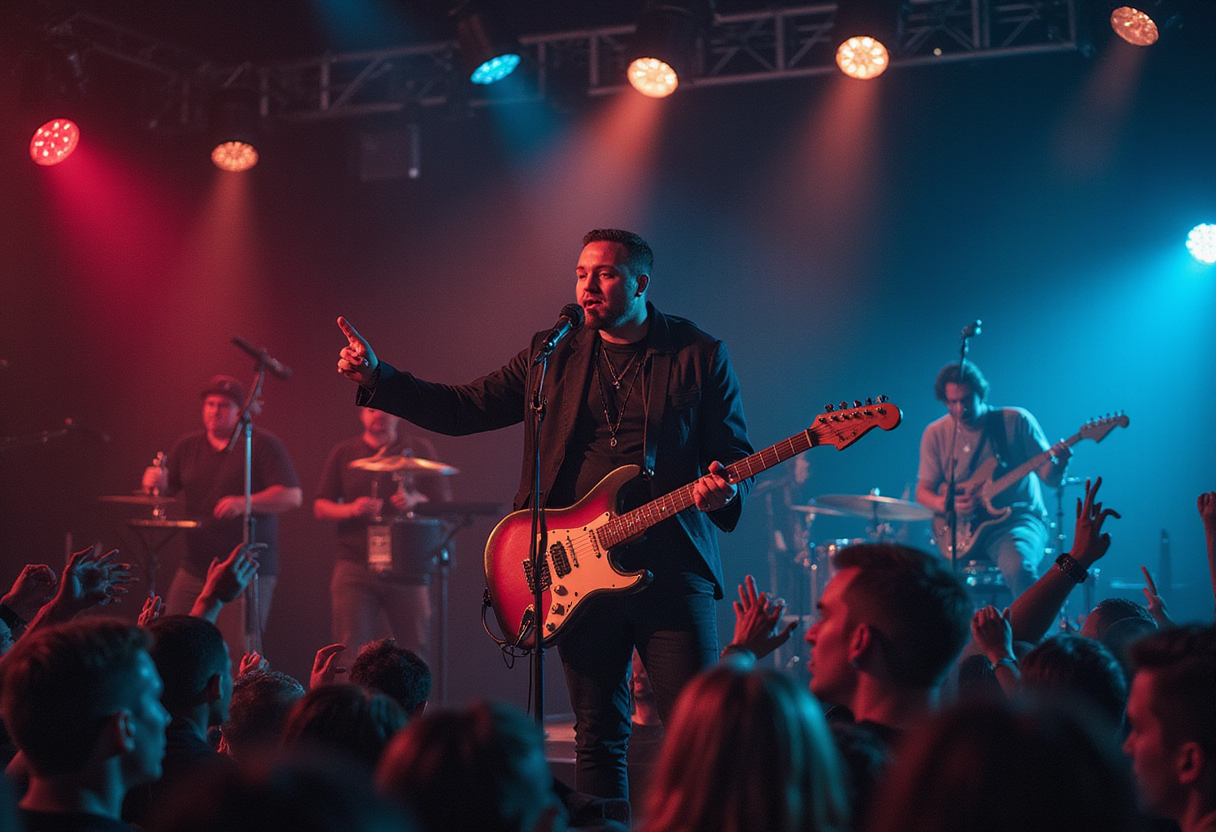
- Andrea Bocelli is scheduled to perform at Petra in late November 2026.
- Pro-Palestinian activists in Jordan are campaigning for a boycott of the concert.
- Activists cite Bocelli's prayer at Jerusalem's Western Wall and an IDF fundraising gala appearance.
- The Bocelli organisation has not responded to the boycott call.
- Jordanian authorities are unlikely to acquiesce to the boycott, according to the report.
Andrea Bocelli is scheduled to perform at the historic site of Petra in Jordan at the end of November 2026, but pro-Palestinian activists in the country are pressing for a boycott of the concert before it takes place.
The campaigners accuse the Italian tenor of being, in their words, a "self-proclaimed friend of Israel." They cite as evidence a visit in which Bocelli prayed at the Western Wall in Jerusalem and a separate appearance at a fundraising gala for the Israel Defence Forces. In both cases, they argue, the singer has aligned himself publicly with the Israeli state.
The Bocelli organisation has not responded to the boycott call.
Who is behind the campaign?
The action is being driven by activists inside Jordan who have branded themselves "ProPals" in online mobilisation. They have framed the Petra concert not as a cultural event but as a political gesture, given what they describe as Bocelli's repeated expressions of solidarity with Israel.
The protest marks a rare collision of international classical celebrity and Middle East politics in a venue that has historically drawn only tourism and heritage attention. Petra, the rock-cut Nabataean city in southern Jordan, has previously hosted large-scale performances. None, so far as the public record suggests, has drawn organised opposition of this kind.
What exactly are the activists demanding?
The campaigners are calling on Jordanian authorities, concert promoters and ticketholders to withdraw support for the late-November event. Their grievance is Bocelli's stated affinity for Israel, demonstrated, they say, by two distinct acts: a prayer at the Western Wall during a personal visit, and a performance at a fundraiser for the IDF.
The demands raise a question that goes to the heart of cultural programming in politically sensitive regions: whether an artist's personal religious or charitable engagements abroad should determine whether state-backed heritage venues open their stages to him at home.
Will Jordanian authorities intervene?
It is unlikely the Jordanian authorities will acquiesce to the agitators. The country has a track record of staging international concerts at major venues, and a formal cancellation would carry diplomatic, financial and reputational costs. The activists have so far confined their campaign to public appeals rather than legal action, leaving the decision in the hands of officials who have yet to comment publicly.
What has the Bocelli organisation said?
There has been no response from the Bocelli organisation to the boycott call or to the specific allegations about the Western Wall visit and the IDF fundraiser. The tenor's silence leaves the campaign unanswered and the Petra concert still listed on the announced calendar for late November.
The absence of a statement is itself a strategic choice. A direct rebuttal could harden the opposition; an extended silence allows the critics to shape the public framing of the dispute without contradiction.
What is at stake?
The Petra concert will either proceed in late November, drawing both an audience of paying fans and a likely protest presence at the site, or it will be cancelled, withdrawn or postponed. The Bocelli organisation's next public communication — whenever it comes — will shape the trajectory.
The outcome will set a precedent for how campaign groups in the Arab world seek to engage with Western classical performers whose personal politics fall outside the regional mainstream. It also tests whether a UNESCO-listed heritage venue can remain a neutral cultural stage, or whether every high-profile booking now carries an implicit political test.
Source: Slipped Disc
More from Tom Whitfield
Show full bio
Market editor covering industry trends and analytics at Arts & Voices.
380 articles