Inside Antwerp's Walled Garden: 500 Species, 5,000 Tulips, One Man's Vision
Dutch landscape architect Ronald van der Hilst has turned a disused church garden in Antwerp into a year-round paradise of 500 species and 5,000 tulips, open by appointment.
Programme
- Ronald van der Hilst took over the garden of St. George's Church in Antwerp in 2018.
- The Hortus Conclusus spans roughly 4,800 square feet behind a perimeter wall near Mechelseplein.
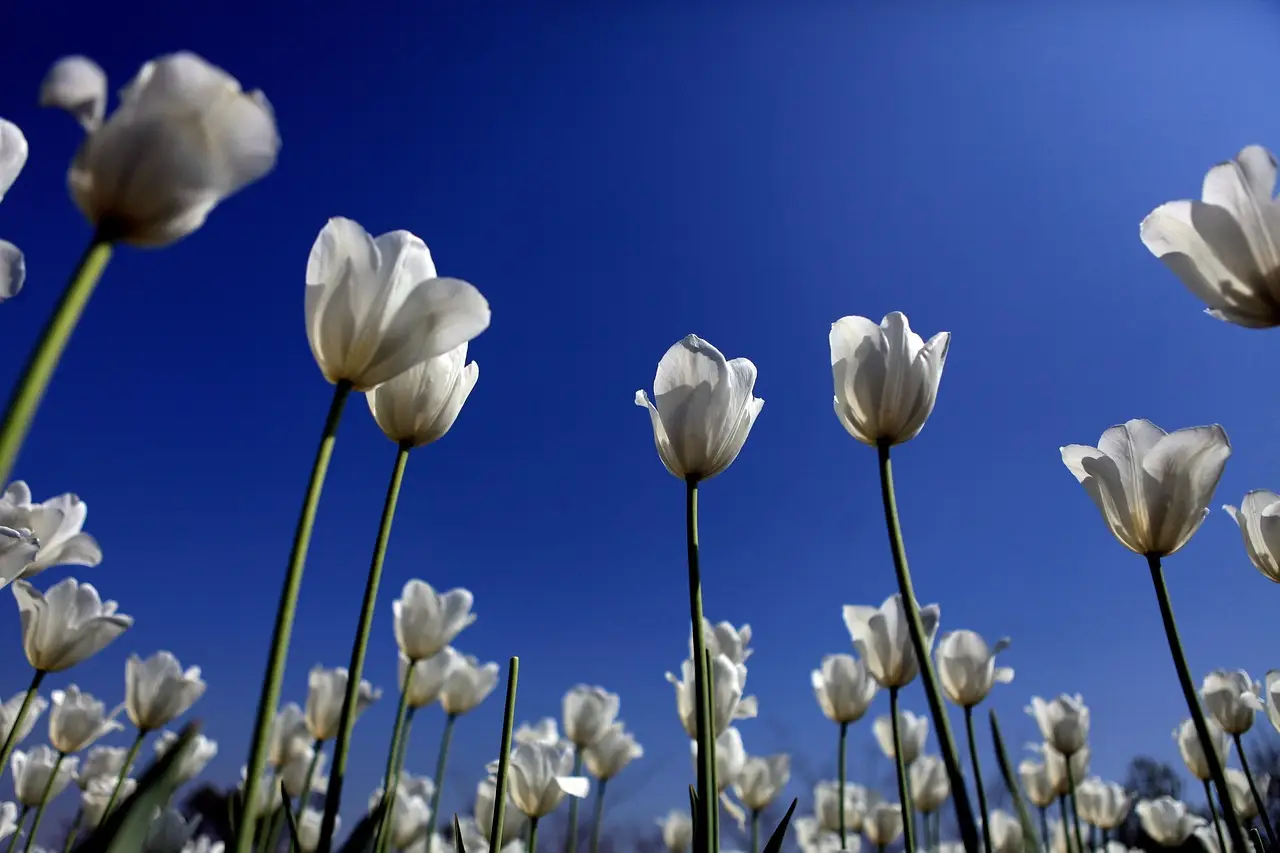
- It contains some 500 plant species, 5,000 tulips and 2,000 other bulbous flowering plants.
- The garden draws hundreds, sometimes thousands, of visitors per season, by appointment or on open garden days.
- Van der Hilst aims to have flowers in the garden every single day of the year.
In 2018, the clergy of St. George's Church in Antwerp offered their next-door neighbor, the Dutch landscape architect Ronald van der Hilst, what he calls a "godsend of an opportunity": the care of their disused walled garden on Mechelseplein. He accepted on one condition. He wanted carte blanche. He got it, and began writing a story that blooms all year.
The site is known as Hortus Conclusus, Latin for enclosed garden. Historically, such spaces belonged to religious buildings, monasteries and convents among them, keeping animals out and keeping water, herbs, vegetables and flowers safely inside. This one had become more burden than blessing for the congregation. Van der Hilst lives across the street, in a renovated 19th-century coachman's house.
"This garden means the world to me: It grounds me to this specific place, making me feel as though I have finally achieved a sense of completeness," he says. "It gives me immense satisfaction to see how I have managed to bring a place in the city back to life, turning it into a true oasis within the desert of the urban context."
What does the visitor actually find?
The garden runs parallel to the street and occupies some 4,800 square feet. A single olive tree stands at its center, a symbol of peace and longevity. Tall cypresses border the perimeter wall. Van der Hilst says they embody the connection between earth and heaven, referring to the enclosed garden described in the Song of Songs. A small water basin symbolizes the source of life. A continuous path echoes the monastic walks of contemplation.
Those themes form only one layer. Van der Hilst has cultivated some 500 plant species, along with 5,000 tulips and another 2,000 bulbous flowering plants. There are no ordered beds and no real symmetry. He planted most specimens individually rather than in collections, pursuing his vision of an abundant garden of paradise.
"Through this individual planting," he says, "I can maximize the variety of species, textures, colors, flowering periods, and foliage contrasts, while simultaneously fitting my use of the garden as a plant lab."
Every visitor encounters something different. "I strive—and succeed—to have flowers in the garden every single day of the year, thereby giving it an aesthetic appeal even in winter," he says.
A private garden that opens its doors
Van der Hilst has been a passionate gardener since childhood and kept a personal garden outside Antwerp for several years before beginning Hortus Conclusus. "I simply need hands-on contact with plants and the soil—to witness what the seasons bring and be connected to what lives and decays," he says.
Though he is known as an expert in tulip history and famous for cultivating rare bulbs, this garden remains discreet. "It's the first garden I've designed that I can occasionally open to the public," he says. Visitors can come by appointment, by word of mouth, or during open garden days. The garden draws hundreds, sometimes thousands, of visitors a season.
The paradox, private and public, hidden yet accessible, reflects Antwerp itself, a city whose richness lives largely behind closed doors. Seek the garden out, and the rewards may include a cup of tea brewed with homegrown herbs, served in porcelain van der Hilst made himself.
The designer grew up in Bennekom in the Netherlands, though he has called Antwerp home since the early 1990s. Near his childhood home, he recalls, "there was a place in the nearby woods that always left a magical and fascinating impression on me—a clearing where someone maintained a vegetable garden. I never saw the person, but it had something surreal about it: a garden right in the middle of nature, a world unto itself." Not unlike Hortus Conclusus.
Source: Architectural Digest
More from Marcus Bennett
Show full bio
Staff writer covering people, launches and day-to-day practice in arts in the broadest sense at Arts & Voices.
895 articles