J.M. Harper's 'Soul Patrol' Sets November 6 Theatrical Release
Kino Lorber will release J.M. Harper's Sundance-winning documentary 'Soul Patrol' on November 6. The film follows Vietnam's first Black special operations unit as survivors reunite 50 years later.
Programme
- Kino Lorber will release 'Soul Patrol' in theaters on November 6
- Director J.M. Harper won the Directing Award for U.S. Documentary at the Sundance Film Festival
- The film opens on the Vietnam War's 50th anniversary
- Ed Emanuel, the team's fellow veteran, wrote the 2003 book 'Soul Patrol: The Riveting True Story of the First African American LRRP Team in Vietnam'
- The November 6 theatrical date falls five days before Veterans Day on November 11
Kino Lorber will release J.M. Harper's "Soul Patrol" in theaters on November 6. The documentary, which won the Directing Award for U.S. Documentary at the Sundance Film Festival, follows the Vietnam War's first Black special operations team as they reunite to confront their shared past.
"Soul Patrol" reconstructs the story of an elite African-American LRRP unit (Long Range Reconnaissance Patrol) that operated behind enemy lines. Harper drew on raw Super 8 footage, photographs, and audio recordings from the veterans' personal archives.
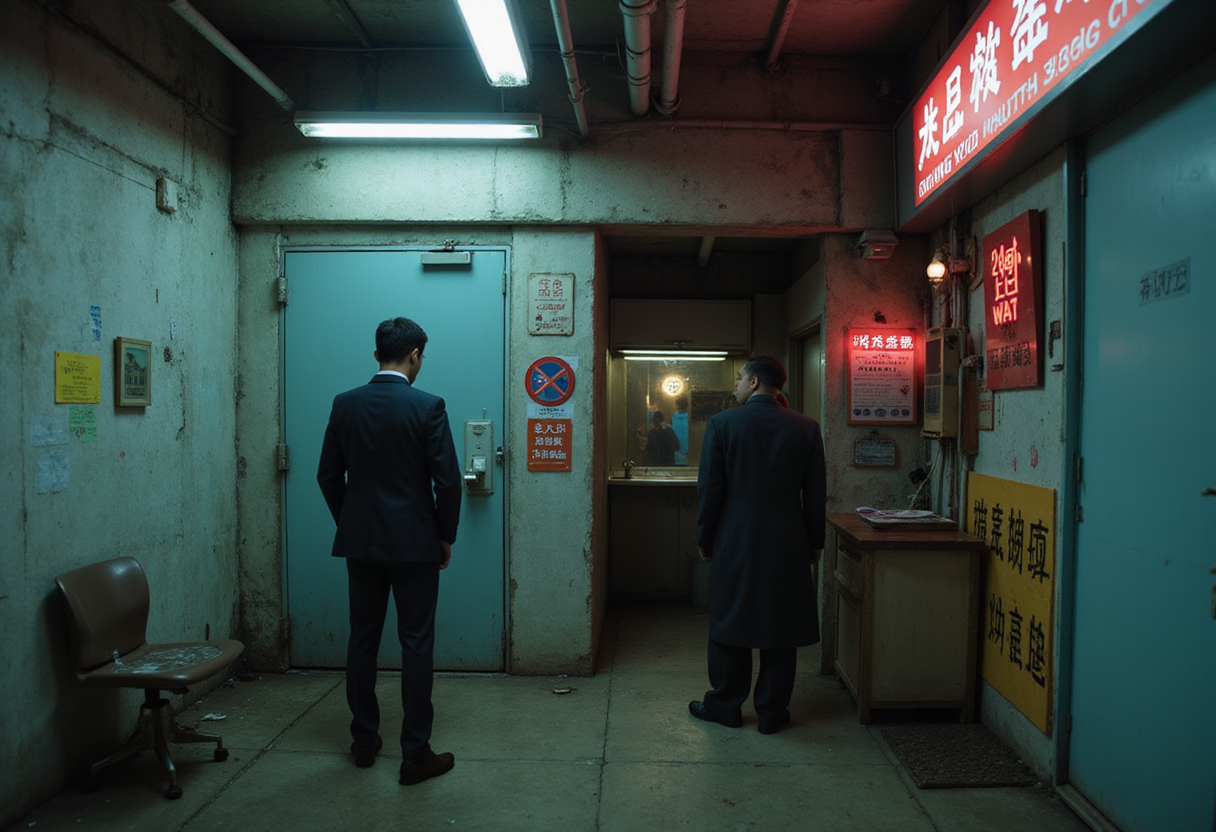
The film opens on the war's 50th anniversary. Survivors gather in a hotel that doubles as a meeting site and a setting for raw reflection.
What does this change for documentary viewers?
The release gives theatrical audiences access to a Vietnam War story centered on Black soldiers whose service has been largely absent from mainstream cinema. The film pairs archival intimacy with on-camera reunion, asking what recognition looks like fifty years later.
The surviving members come together through fellow veteran Ed Emanuel, who wrote the 2003 book "Soul Patrol: The Riveting True Story of the First African American LRRP Team in Vietnam." Emanuel appears in the film as both organizer and witness. "We survived the war, but there was no peace," he says at one point.
Another veteran recalls soldiers taking leave in Thailand at a hotel with a pool. He describes swimming in the water and "trying to wash Vietnam off of my body." The exchange captures the documentary's central tension: service abroad and inequality at home.
Dan Mecca, reviewing for The Film Stage, called the film "a compelling account of the Vietnam War's first Black special operations team, told 50 years later." He described the result as an "onslaught of mixed mediums" — sometimes fragmentary, sometimes fully realized.
How does the film position itself within Vietnam War documentaries?
Harper leans on personal archive rather than battlefield reconstruction. The hotel becomes a liminal space (a threshold setting where past and present overlap) where memory and unresolved trauma surface. That formal choice separates the project from standard combat documentaries built around narration and stock footage.
Kino Lorber, the New York-based distributor that has handled arthouse and independent cinema for decades, will manage the theatrical rollout. The November 6 date falls ahead of Veterans Day on November 11, a window likely to shape programming at independent theaters and community screenings.
For the distributor, the pickup extends a steady run of nonfiction releases. For Harper, the theatrical date marks a second life after Sundance, where competition in the U.S. Documentary category typically funnels films toward streaming. Holding a theatrical window signals continued confidence in the audience for archive-driven work.
The trailer opens on reunion footage and intercuts archival materials. It frames the film as both a record and a reckoning. Whether that pitch lands with general audiences will shape how subsequent Vietnam War projects, particularly those centered on underrepresented units, find funding and distribution.
Source: The Film Stage
More from Grace Kim
Show full bio
Correspondent covering technology and product news in arts in the broadest sense at Arts & Voices.
444 articles