Programme
- Jake Bugg was 32 when he discussed Alamo, his seventh studio album and first non-major-label release.
- Bugg played the BBC Introducing stage at Glastonbury in 2011, aged 16.
- His 2012 self-titled debut reached No. 1 in the U.K. and No. 75 on the Billboard 200.
- Alamo was recorded at Hoxa Headquarters in London with Jimmy Hogarth and Steve McEwen.
- Alamo follows 2024’s A Modern Day Distraction, which addressed working-class life and inequality.
By Daniel Okafor
Jake Bugg describes Alamo as his seventh studio album and his first non-major-label release. At 32, Bugg has built the record around isolation, loss and the unwanted attention that followed his early fame.
What did fame change?
Bugg began making music as a teenager in Nottingham, treating it first as a hobby before it became a profession. In 2011, aged 16, he played the BBC Introducing stage at Glastonbury. He then built visibility through prominent sync placements (licensed songs used in film, television or advertising).
Rolling Stone’s verdict on the self-titled 2012 debut was blunt.
“Jake Bugg shows an artist who is crazy fully formed, stepping into a journey that should be worth following.”
The album reached No. 1 on the U.K. album charts and No. 75 on the Billboard 200.
Reviewers compared the debut with early Bob Dylan and heard a gusto similar to the Gallaghers. Bugg would later open for Noel Gallagher’s High Flying Birds.
Rick Rubin produced his second album. Bugg later opened for the Rolling Stones, shared a stage with Johnny Marr and Michael Kiwanuka, and played guitar on Johnny Blue Skies’ Passage du Desir.
He says his experience has differed vastly from that of peers his age. Then came the paparazzi. Bugg says the company he kept became tabloid matter, prompting him to retreat, physically and emotionally, and pour himself into music for comfort. Now 32, he regards that period in the spotlight with a wary eye.
What does Alamo confront?
Unlike A Modern Day Distraction, his 2024 record about working-class life and social inequality, Alamo looks inward. Bugg says it addresses isolation, being ignored, suppression and his own disregard, and that confronting those difficult emotions and memories left him better off.
He also says the past year brought the loss of family and friends, which strained his relationships. He calls it the most challenging year of his adult life.
“To write this album, I had to come out somewhat on the other side of it,” he says.
“I was isolating myself and indulging in things that weren’t the best for me.
When you’re experiencing a lot of the things I’m talking about on the record, and as personal as I’m being, in that moment of those experiences, you don’t realize kind of how bad it or how dark it gets, which was the hardest time in my adult life.”
Bugg insists he is better off for working through the material. “I got a record out of it,” he says. The blunt verdict suits the record’s refusal to turn loss into easy reassurance.
Recorded at Hoxa Headquarters in London with producer Jimmy Hogarth and songwriter and guitarist Steve McEwen, Alamo returns to indie-folk, the guitar-led folk sound that marked Bugg’s earlier albums.
Bugg calls “The Life,” with the lyric “living the life will kill me in the end,” particularly delicate. He describes “Everywhere I Go” as strikingly spare and identifies both songs as the album’s best representations. “Go Away” and the more evocative “Tall Poppies” deserve a place beside them.
Bugg’s friend Kevin Westenberg shot the cover outside Memphis. Westenberg’s image resembles Cast Away, with Tom Hanks smiling at an empty rural intersection, free to choose his path.
Does football still shape the work?
At his London home on a late Friday afternoon, just before happy hour, Bugg was all smiles and joked about Manchester City’s fate. He showed a framed, signed, game-used Wayne Rooney Three Lions jersey. He appeared by Zoom for the interview.
His Notts County kit bears his name on the front because he was the club’s kit sponsor, a privilege of lifelong fandom rather than a retail personalization. Bugg has said he does not fully like interviews. This time, he sounded more willing to take stock.
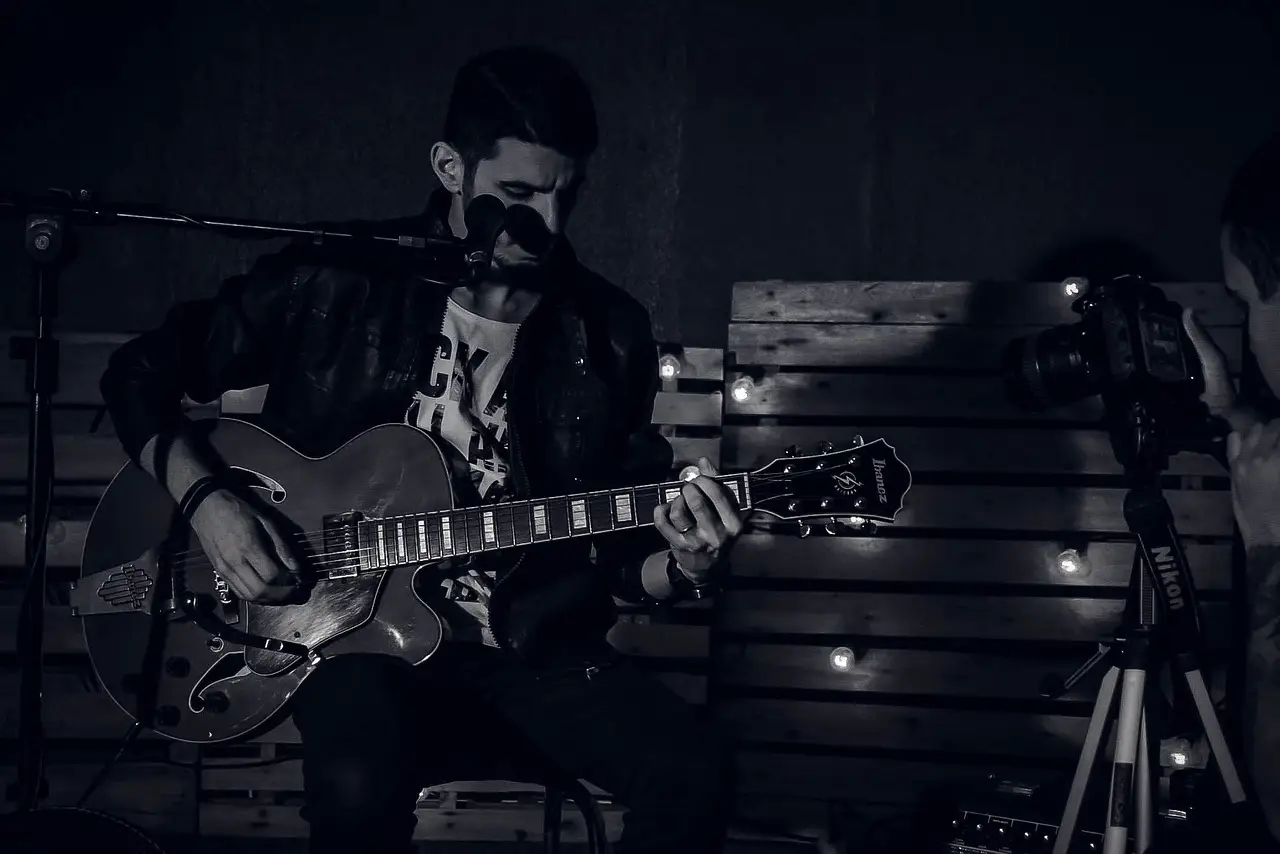
“A lot of the time, I sat at home doing what I call passive songwriting, where I’m just watching soccer, just playing to my guitar, singing and not realizing what I’m doing,” he says. “Whether it’s good is a different story, but it’s the thing I love doing the most.”
He describes himself now as relaxed, confident and grounded. That is a modest claim for a record made during his hardest year, but the two qualities need not cancel each other out.
The test for Alamo is whether that openness survives renewed attention to his independent release. Bugg has already made the harder admission: success did not protect him from loneliness. The next measure is what he does with the space it created.
Source: rollingstone.com
More from Daniel Okafor
Show full bio
News editor covering companies, deals and strategy in arts in the broadest sense at Arts & Voices.
1,344 articles