Jakob Kudsk Steensen's "Berl-Berl" Swamps MoMA's Lobby From Oct. 12
Danish artist Jakob Kudsk Steensen brings "Berl-Berl," a game engine-powered simulation of the swamp Berlin was built on, to MoMA's lobby from Oct. 12.
Programme
- "Berl-Berl" by Jakob Kudsk Steensen opens at the Museum of Modern Art on Oct. 12.
- The work is a game engine-powered digital simulation of the swamp Berlin was built on.
- The installation will be shown in MoMA's lobby.
- Jakob Kudsk Steensen is a Danish artist who developed work near Copenhagen's wetlands.
Jakob Kudsk Steensen's "Berl-Berl" opens in the Museum of Modern Art's lobby on Oct. 12. The Danish artist's work is a digital simulation, powered by a game engine, of the swamp on which Berlin was built.
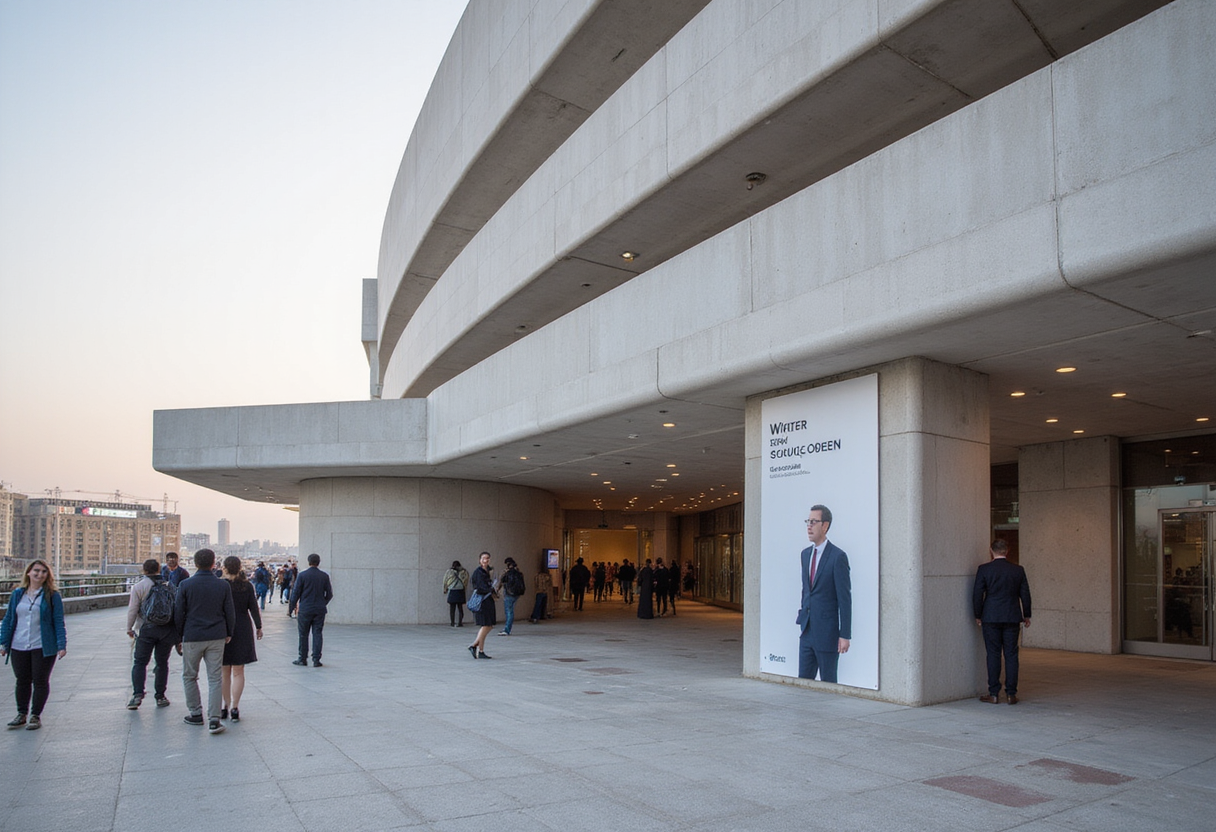
The commission transforms one of the most heavily trafficked spaces in any museum in the world. MoMA's lobby is not a gallery. It is a threshold, a corridor between the street and the collection, a place visitors pass through rather than linger in. Steensen will occupy it with a landscape most of those visitors never knew existed: the wetland terrain beneath the German capital.
What is "Berl-Berl"?
The title points to the work's subject. Berlin's name is widely traced to an old Slavic term for the swamp or marshland on which the city first stood. "Berl-Berl" takes that buried foundation as its material.
Steensen built the piece with the same technology that drives contemporary video games. A game engine renders the wetlands in real time, producing a living digital ecosystem rather than a fixed image or film. The viewer encounters a simulation — a landscape computed in the present, evolving on screen.
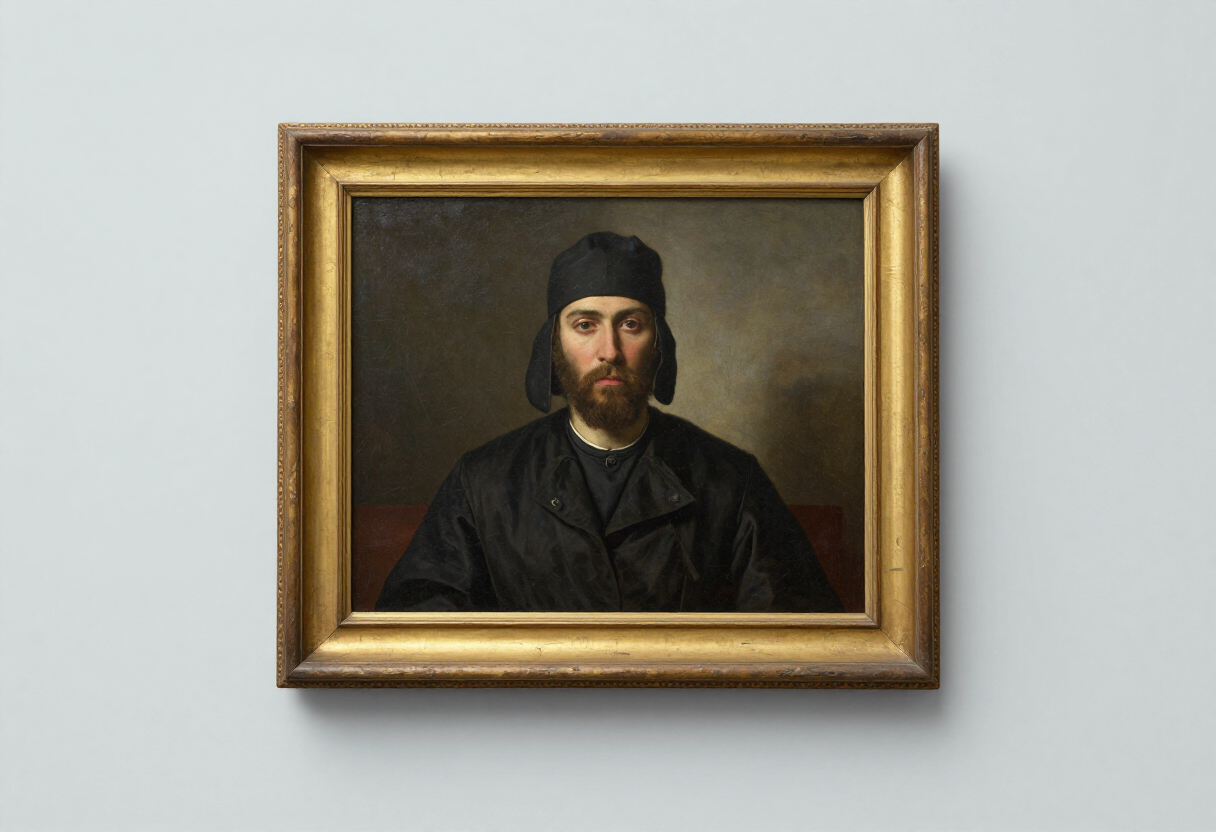
The artist developed the work near Copenhagen, where a new photograph shows him working in wetlands of his own. Steensen's practice has long moved between field research and digital reconstruction, and "Berl-Berl" extends that method to Berlin's submerged ground.
Why put a swamp in a museum lobby?
The placement at MoMA is the story's sharpest fact. The museum is installing an ecological simulation in its front room — the space every visitor, ticketed or not, must cross.
That decision gives "Berl-Berl" an audience no conventional gallery can match. It also reframes what a lobby can do. Instead of wayfinding and retail, the museum's first room will hold a slow, virtual landscape — the wetland that predates the city, rendered in the medium of the city's present.
The contrast is the point. MoMA sits in Midtown Manhattan, one of the most engineered urban environments on earth. Berlin, too, rose from drained and filled marshland. "Berl-Berl" returns the ground to view: the mud, water and growth that urban development buried, recovered here in code.
Who is Jakob Kudsk Steensen?
Steensen is a Danish artist working at the intersection of digital technology and ecological subject matter. He builds immersive environments with game engine software, and his projects typically begin with close study of real landscapes.
For "Berl-Berl," that landscape is the wetland basin beneath Berlin — terrain the city erased but never fully escaped. The work's presentation at MoMA, beginning Oct. 12, marks the piece's arrival at a global institutional center after its earlier life as a large-scale installation.
What should visitors expect?
Expect a lobby that behaves differently. From Oct. 12, anyone entering the Museum of Modern Art will meet Steensen's simulated swamp before the permanent collection. The work asks a question museums rarely pose at the door: what ground are you standing on, and what was there before the building?
For a museum synonymous with modernity's vertical rise — painting, sculpture, the art of the machine age — opening its entrance with a digitally resurrected marsh is a pointed gesture. It suggests that ecological memory, delivered through game technology, now belongs at the threshold of the modern.
Source: NYT Arts
More from Tom Whitfield
Show full bio
Market editor covering industry trends and analytics at Arts & Voices.
367 articles