Jordan Firstman on 'Club Kid': 'I Was Doing Drugs From Thursday to Monday'
Jordan Firstman's 'Club Kid' took Un Certain Regard at Cannes in May. He drew on his own Berlin club years — and became a father the week the film wrapped.

Programme
- *Club Kid* won the Un Certain Regard award at Cannes in May.
- Firstman became a biological father last year after donating sperm to his sister's wife; the baby was born the week *Club Kid* wrapped.
- Firstman wrote the film at around 32, drawing on years in the Berlin club scene.
- The production shot real club parties with real club kids, hiding required SAG background actors in the back.
- His HBO comedy series *I Love LA* premiered the same week the film wrapped.
Jordan Firstman's film Club Kid won the Un Certain Regard award at the Cannes Film Festival in May. The filmmaker wrote, directed and stars in the story of Peter, a 30-something gay club promoter who discovers he has a 10-year-old son from a drug-fueled night a decade earlier.
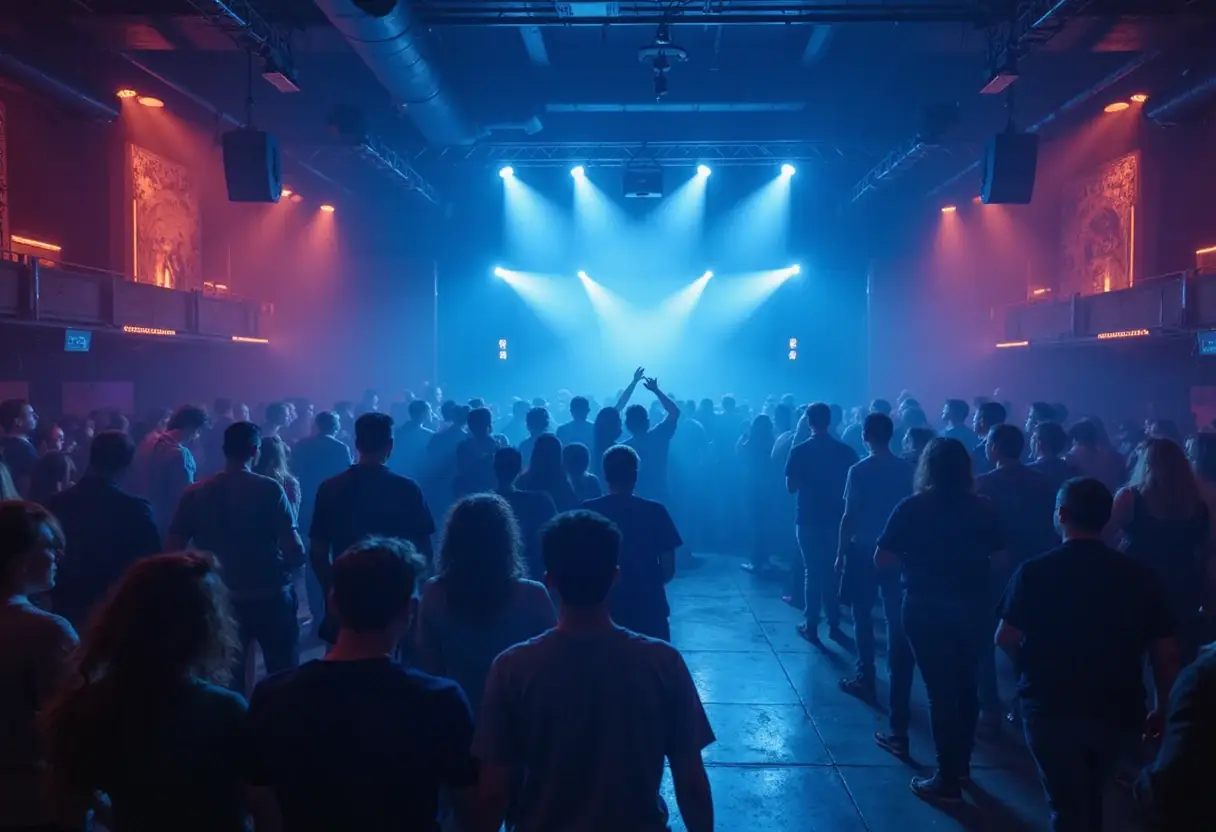
The premise is close to autobiography. Firstman spent years deep in the Berlin club scene, an experience he calls dark and disorienting. "I was doing drugs from Thursday to Monday when I was in Berlin," he says. "Then it becomes Monday morning somehow. Monday and Tuesday, you spend in bed wanting to kill yourself."
In the film, Arlo's mother has died, and Peter, the boy's biological father, is his only family. Peter faces a choice: continue a destructive and lonely lifestyle, or change and care for the child.
How did the film come about?
Firstman began writing it at around 32. "I was partying too much. I was having these come-downs," he says. "And I wanted to make a delayed coming-of-age film about a gay guy in his 30s. And so that's kinda how it started."
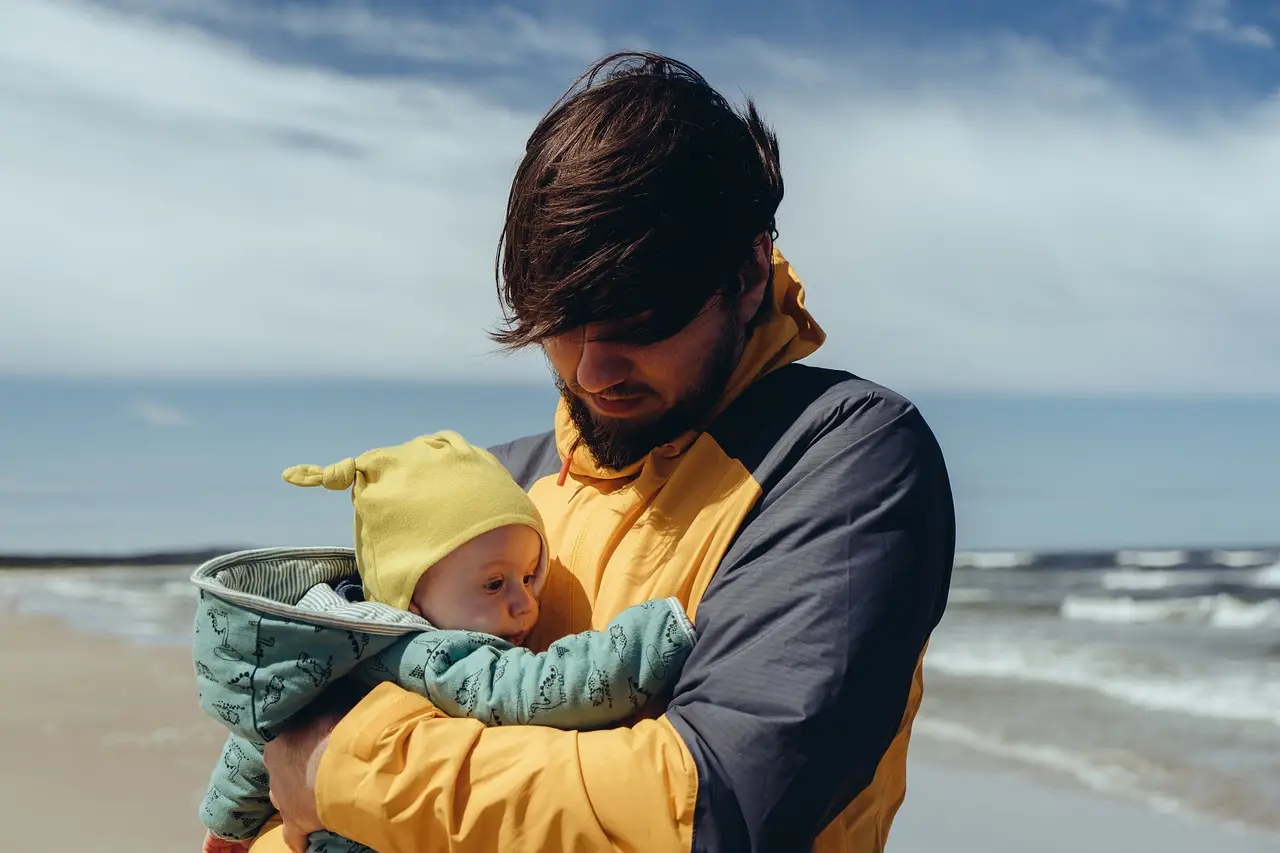
Life then mirrored fiction. Last year, Firstman became a biological father — an "Uncle-Daddy," in his words — after donating sperm to his sister's wife. The baby was born the same week he wrapped Club Kid and his HBO comedy series I Love LA premiered.
Cannes validated the personal risk. "What a blessing that we have art and we get to make things," he says. "We get to make things that change us."
Why show both the highs and the lows?
Firstman insisted on depicting club life in full. "We as gay men specifically, we put ourselves in high-risk behavior, high risk and high reward," he says. "We really live. And I think because we, for so long, were not able to live. I think we choose to live very hard and love very hard and that comes at a cost sometimes."
He wanted the film to carry the beauty as well as the damage: the joy, the community, the connection, "the way we show up for each other."
How did he recreate old New York?
Firstman chased the texture of 1970s New York. The production shot only in places that felt like the old city: Chinatown, the Lower East Side and some streets in SoHo, chosen because they feel unchanged. The crew tried to shoot streets with no cars to preserve the older feel. "It was very important for us to capture a nostalgic New York that might not really exist anymore," he says.
The club scenes used real club kids at real parties. Access came from Firstman's decade of clubbing and his friendships. "Background actors, they don't look like club kids," he says. "They just don't." The production hired a required number for SAG rules but, in his words, "hid them in the back." The queer underground New York rave scene showed up, he says, because it trusted the film would be an honest, positive depiction.
What shaped Firstman's path?
As a teen, he sneaked into New York City alone for auditions, crashing at a summer-camp friend's house on the Upper West Side from Thursday to Monday. He convinced his parents he had no school on Fridays for two years — they were going through a divorce and, he says, "I don't think they were listening to anything at all." He took the train from Syosset, where his high school was, and lived what he calls "a very independent life." His parents did not know where he was from Thursday through Monday.
From ages 21 to 23, Firstman worked as a photobooth operator at celebrity events. Some celebrities who were mean to him then now message him: "I'm obsessed with you!" "You're my favorite actor!" "It's funny how LA works and the social hierarchy," he says. He worked hard for years, and now feels he has made a name for himself in the city.
The Cannes prize, a new baby and a growing screen career mark the distance Firstman has traveled from those Berlin Monday mornings — and Club Kid stands as the record of that crossing.
Source: NPR Arts
More from Elena Vasquez
Show full bio
Senior reporter covering technology and product news in arts in the broadest sense at Arts & Voices.
1,020 articles