Joshua Hoe pairs lo-fi sound with cinematic urban night photography
Joshua Hoe’s Singapore-based practice joins lo-fi production, street photography and digital manipulation to explore urban solitude. The profile offers atmosphere, but few project details.
Programme
- A November 2026 profile presents Joshua Hoe’s four-part practice: music, lo-fi production, photography and digital art.
- Hoe is based in Singapore; the source names two themes, urban solitude and late-night nostalgia.
- His method combines raw street photography with digital manipulation across three named visual elements: hazy dusk skylines, amber streetlights and neon glows.
- The source names no individual artwork titles, music releases or exhibition venues and includes no direct quote from Hoe.
- It offers one external route beyond the gallery: the Instagram account @hoestudios.
By Tom Whitfield
Joshua Hoe works across four disciplines—music, lo-fi production, photography and digital art. A November 2026 profile places the Singapore-based artist at the centre of a multidisciplinary study of urban solitude and late-night nostalgia.
The source describes Hoe's movement between sound and image as a single multidisciplinary practice, not two unrelated jobs. It says his lo-fi work and digitally altered street photography share a subject: metropolitan quiet, solitary figures and the feeling of moving through public space after dark.
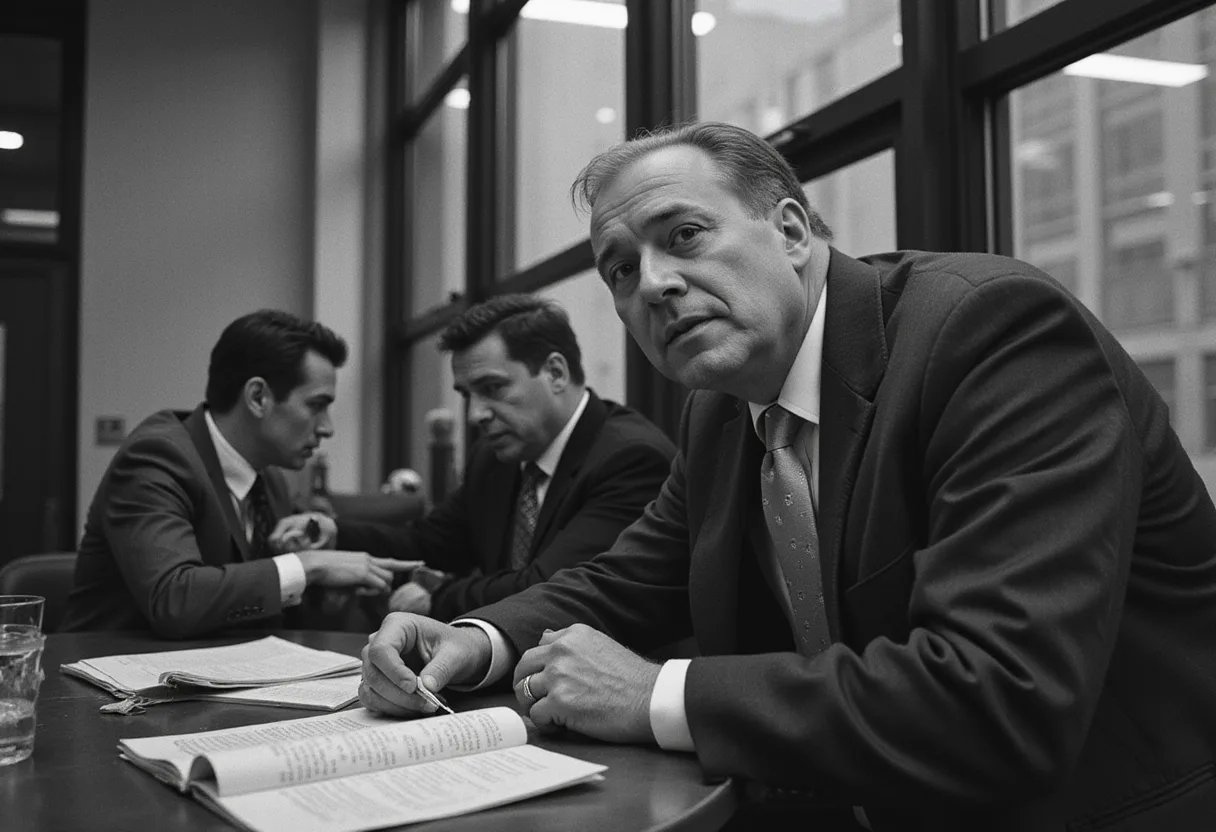
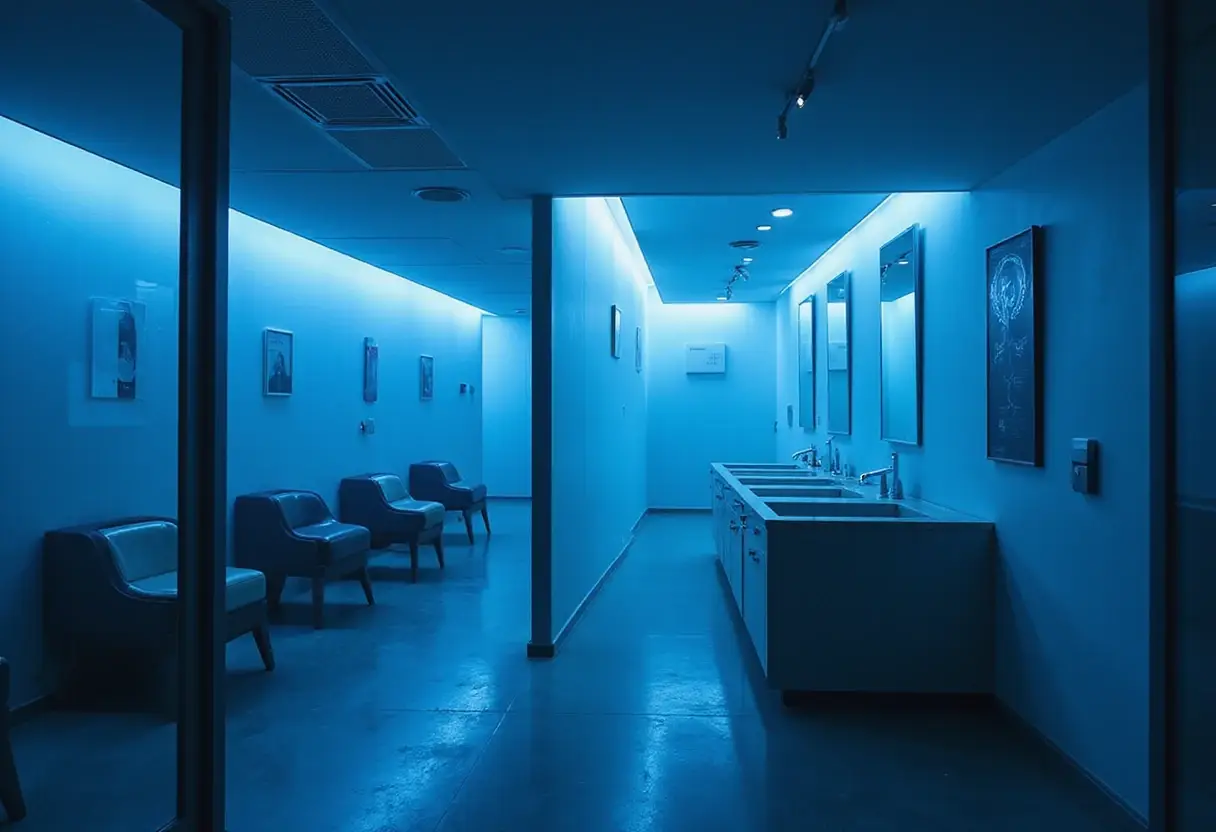
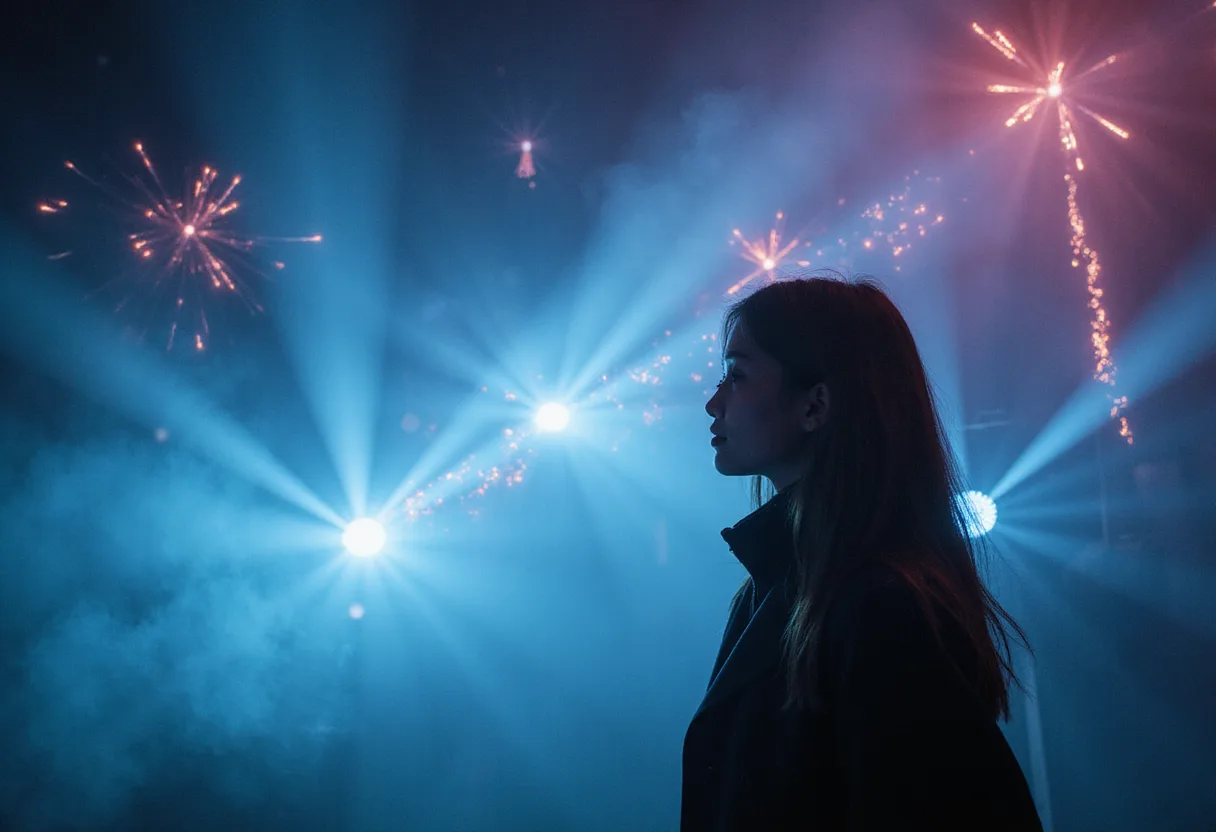
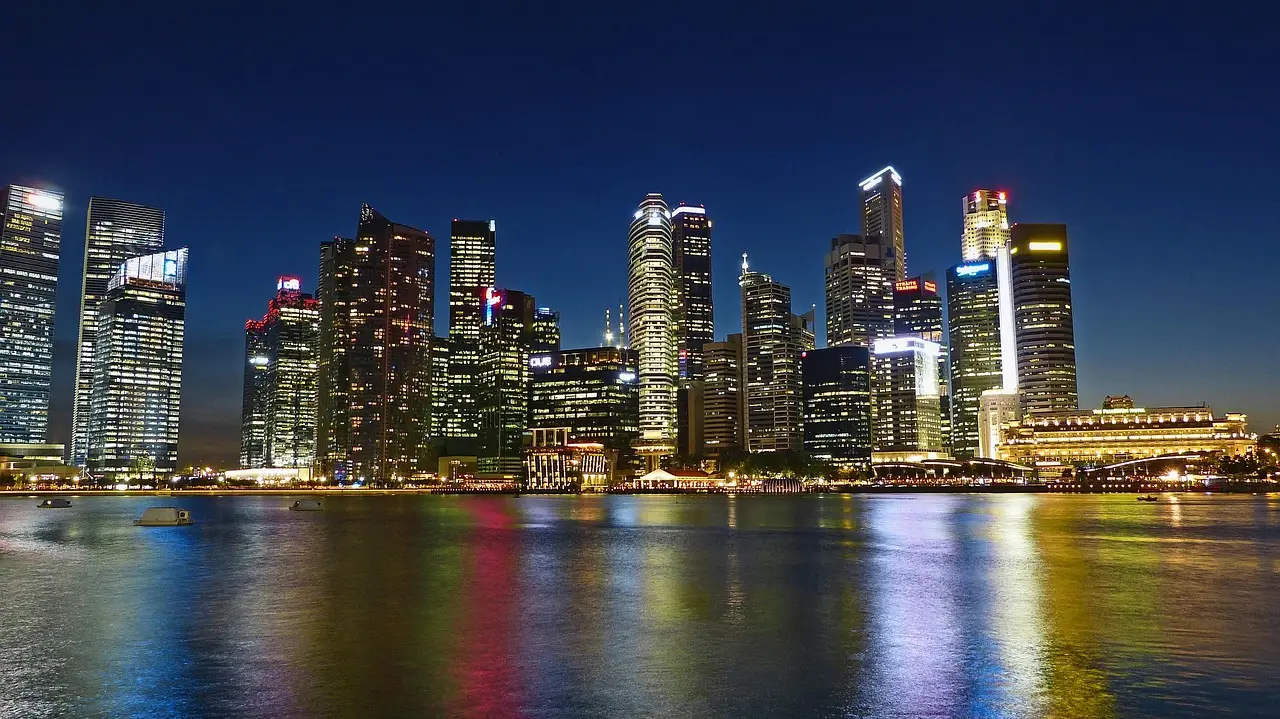
Hoe begins with raw street photography, the profile says, and then manipulates the images digitally. His visual vocabulary draws on three linked elements: hazy dusk skylines, amber streetlights and neon glows. Solitary silhouettes and quiet transit corridors often anchor the frames.
The profile says the images build a consistent mood through haze, warm light and isolated figures. It also compares the intended effect to wandering through an empty metropolis with headphones on. Sound supplies an interior state while the photographs keep the viewer outside the scene.
The page presents dozens of vertically framed images. It gives them no individual titles, dates, street names or captions, and it identifies no single exhibition or installation. As a result, the profile reads as a portfolio survey rather than a fully documented body of work.
Its only route beyond the displayed pictures is an Instagram link to @hoestudios. The source does not name individual tracks, albums, photographs or series, and it gives no venue, release date or exhibition schedule. Nor does it quote Hoe explaining his choices.
What does the sound-photography pairing change for viewers?
The headline promises lo-fi soundscapes and cinematic night photography. The profile supplies a clear visual vocabulary but no track list, running order, soundtrack pairing or account of when sound and image began to meet in Hoe's practice.
That leaves a practical ambiguity. Readers cannot tell whether Hoe has made fixed audiovisual works, two parallel portfolios or a curatorial theme that links sound and photography. The evidence supports the third description most securely, because the source names the shared subject and method while leaving the final form undefined.
The distinction matters for anyone deciding how to encounter the work. A fixed audiovisual piece can be judged as a composition, with sound, image and timing already resolved. Separate portfolios ask viewers to build those relationships themselves. The source does not say which route Hoe intends.
What the profile establishes
The profile supports a narrow set of factual claims:
- Hoe is based in Singapore.
- His practice spans music, lo-fi production, photography and digital art.
- The source names urban solitude and late-night nostalgia as two central themes.
- He works from raw street photography and alters the images digitally.
- Hazy dusk skylines, amber streetlights, neon glows, solitary figures and transit corridors recur in the displayed work.
- The page links to one Instagram account, @hoestudios.
Beyond that, it makes an interpretive claim: these images capture the ‘true soul of urban solitude’. The phrase may organize the portfolio, but the absence of titles, locations, process notes or Hoe's own testimony leaves that claim untested. The images can demonstrate a mood; they cannot by themselves prove that the mood represents the city as a whole.
For a viewer, the practical change is modest at present. The profile offers an atmosphere and a route to more work, not a complete audiovisual project or a specified place to encounter one. The next test is whether Hoe names the images and tracks, releases them as coherent pairings, and supplies the locations and process behind them.
Until then, @hoestudios remains the only further avenue the source provides for testing the larger claim.
Source: designyoutrust.com
More from Tom Whitfield
Show full bio
Market editor covering people, launches and day-to-day practice in arts in the broadest sense at Arts & Voices.
1,121 articles