Romina's architectural photographs turn city geometry into graphic study
A Munich-based photographer called Romina finds graphic symmetry in stadium interiors, stairwells and facades. The feature names four cities but gives no project dates.
Programme
- Romina is a Munich-based freelance photographer and videographer.
- The feature publishes roughly four dozen photographs from the Instagram account photoartbykulpixx.
- The cities named are Geneva, Amsterdam, Helsinki and Tokyo.
- Three recurring subjects are large stadium interiors, modern stairwell arcs and textured building façades.
- The feature gives no building names, project dates, quotations, exhibitions or commissions.
Romina is a Munich-based freelance photographer and videographer, and the Instagram account linked from the feature is called photoartbykulpixx. The feature publishes roughly four dozen photographs of her work without naming a building, an exhibition or a project date.
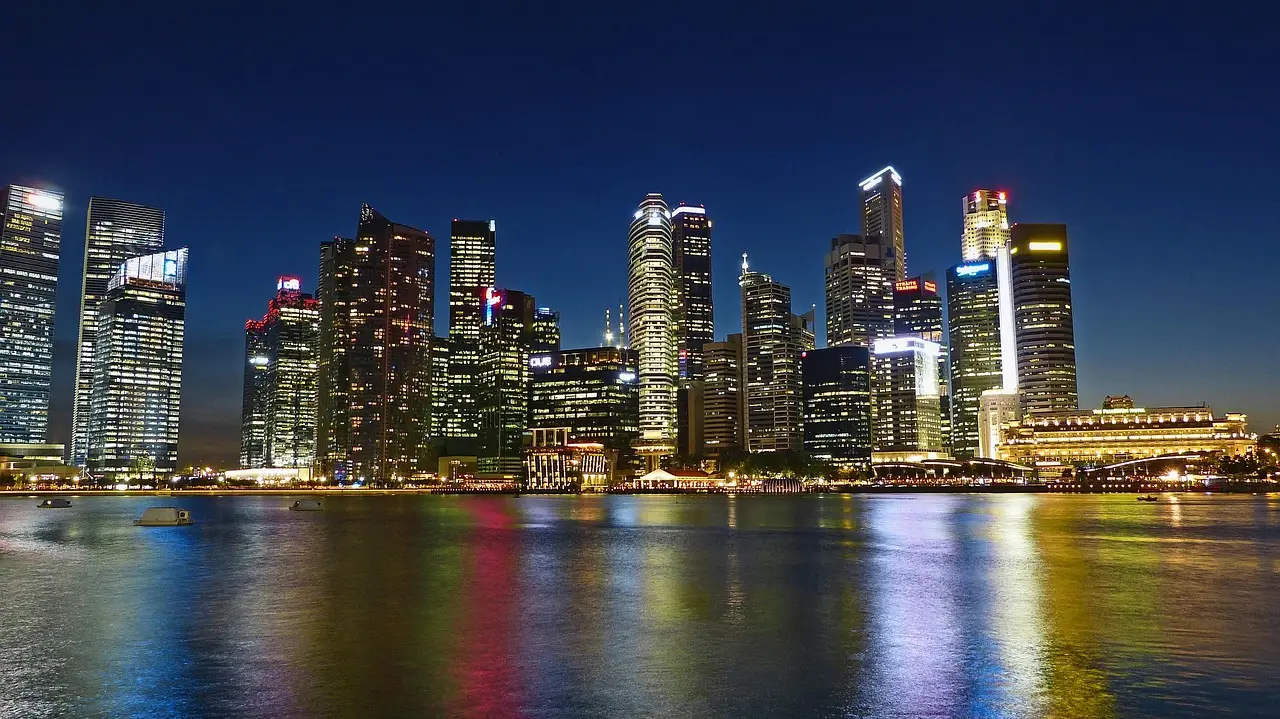
The feature says her subject is the built environment at large: architecture, art and urban design across the globe. Its example cities are Geneva, Amsterdam and Helsinki, alongside the night streets of Tokyo. The description offers these as a portfolio sample rather than a single, datable project.
What does the feature actually document?
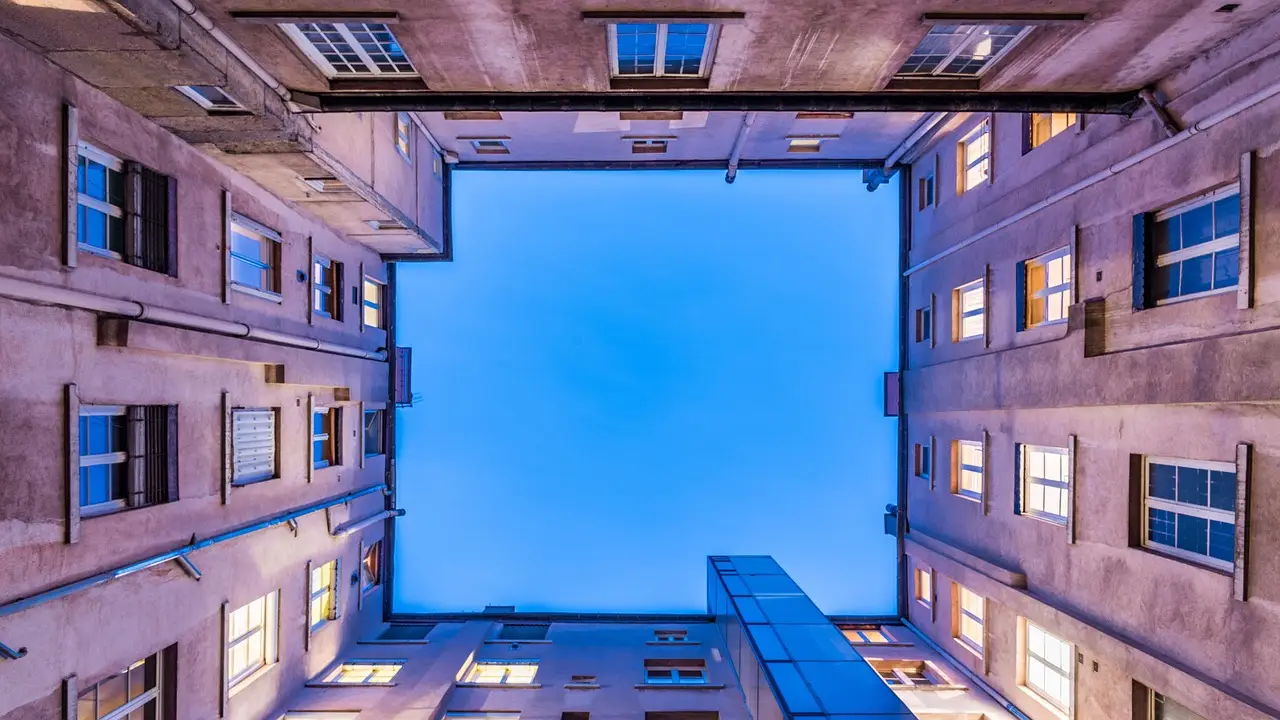
The feature credits the images to a stated method. Romina looks for what it calls “unexpected angles, clean geometry, and disciplined symmetry in everyday public spaces.” It says she strips away visual clutter to isolate form, material and directional light.
Three recurring subjects support that claim in the published sequence:
- The interior curve of a large stadium.
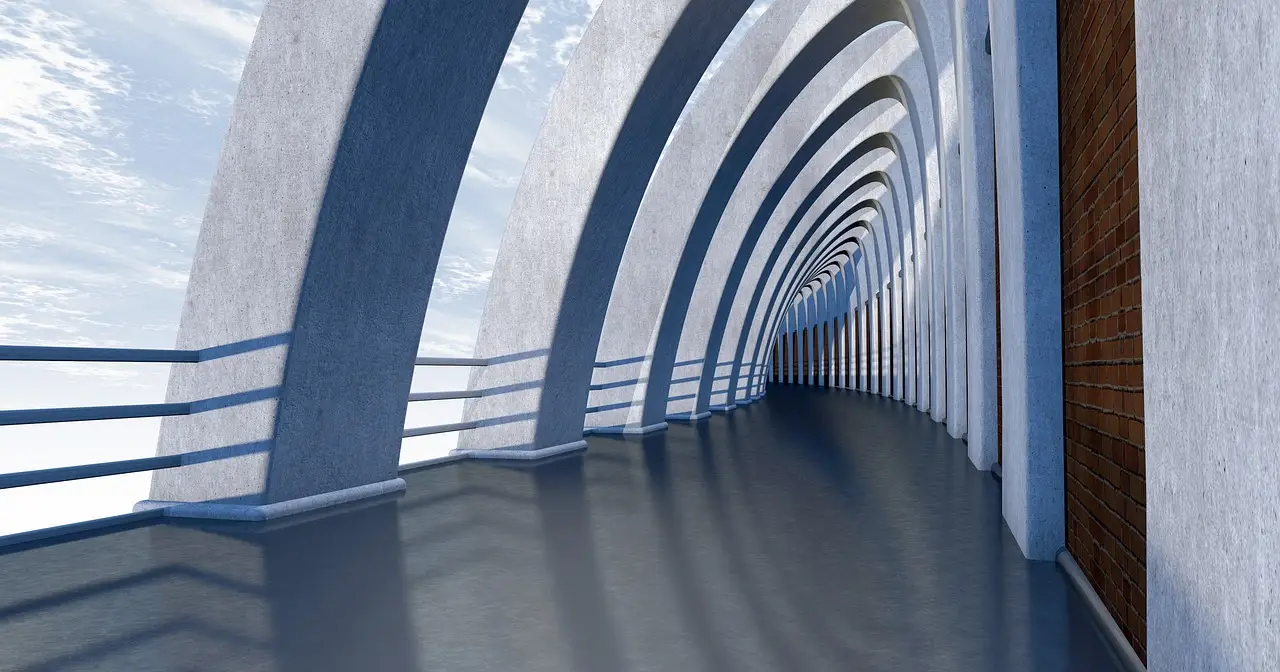
- Sweeping arcs of modern stairwells.
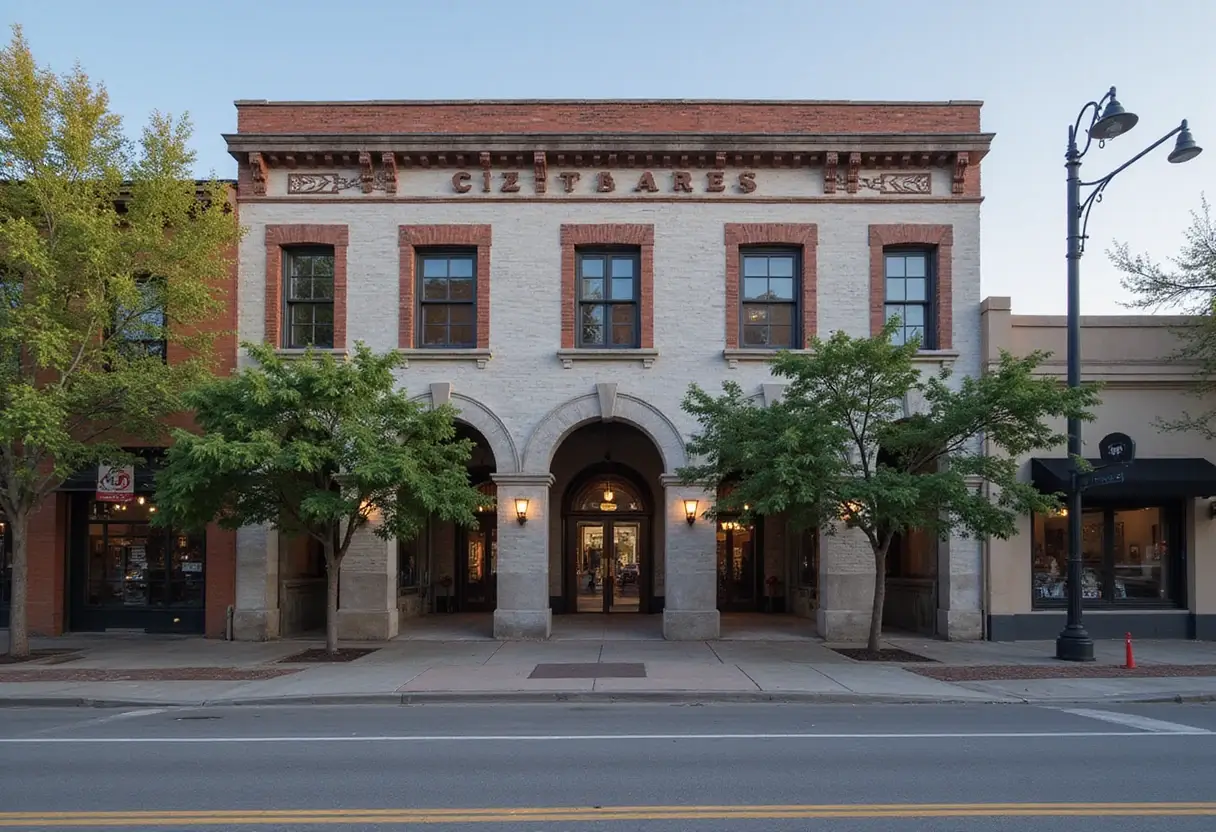
- Intricate patterns on textured building façades.
The feature also says she works past “conventional postcard landmarks,” treating concrete, steel and glass as graphic material. That is a specific position, not a neutral subject description. It asks the viewer to read transport and civic buildings as composed images rather than scenery.
What is not on the record?
The article gives no first-person quotation from Romina. It does not identify an architect, a specific stadium, or the cities that contain the stairwells and façades. It also omits camera, lens and editing details, and lists no commissions, awards, exhibitions or published books.
That absence matters because the source's strongest claim is about design quality. A photograph can demonstrate geometry, but it cannot establish who designed a structure, when it was built, or whether a sequence belongs to one place. The page offers no independent way to test those points.
It also remains unclear how much of the work comes from personal observation and how much from commissioned shoots. A professional architectural photographer's portfolio and a commissioned set can look alike in a grid of images. The feature does not resolve the distinction.
What does this change for viewers?
For someone interested in architectural photography, the immediate benefit is access. The feature points to one route: the photoartbykulpixx Instagram account. It mentions no gallery, exhibition or publication to book, and no release date that would put a physical show on a calendar.
The practical change is modest. The feed offers a working reference for anyone looking to understand how symmetry, cropping and directional light can turn public infrastructure into graphic composition. It does not yet offer a documented body of work with a title, a location list or a date for each frame.
The question is whether the next stage turns a curated selection into a series with credits. Until the buildings, dates and sites appear, the photographs remain an appealing visual argument made entirely through framing.
Source: designyoutrust.com
More from Tom Whitfield
Show full bio
Market editor covering people, launches and day-to-day practice in arts in the broadest sense at Arts & Voices.
1,121 articles