Judy Baca's Great Wall Reaches the 1960s at Skirball Cultural Center
Judy Baca's newly completed 1960s sections of the half-mile Great Wall of Los Angeles go on view at the Skirball from October 2026, ahead of their installation on the LA River.

Programme
- Judy Baca conceived the Great Wall of Los Angeles in 1974 as a visual history of California's ethnic peoples from prehistoric times to the 1950s.
- In 1976 Baca co-founded SPARC; 400 young people worked with artists, historians and community members to paint the mural's first half-mile section on the LA River.
- The Skirball exhibition presents recently completed 1960s sections that will be added to the existing mural at the Tujunga Wash.
- The show runs October–December 2026 and January–February 2027, with individual sections revealed in stages.
- The exhibition includes preparatory drawings, color studies, an immersive LA River video installation and the interactive MuralMemoirs component.
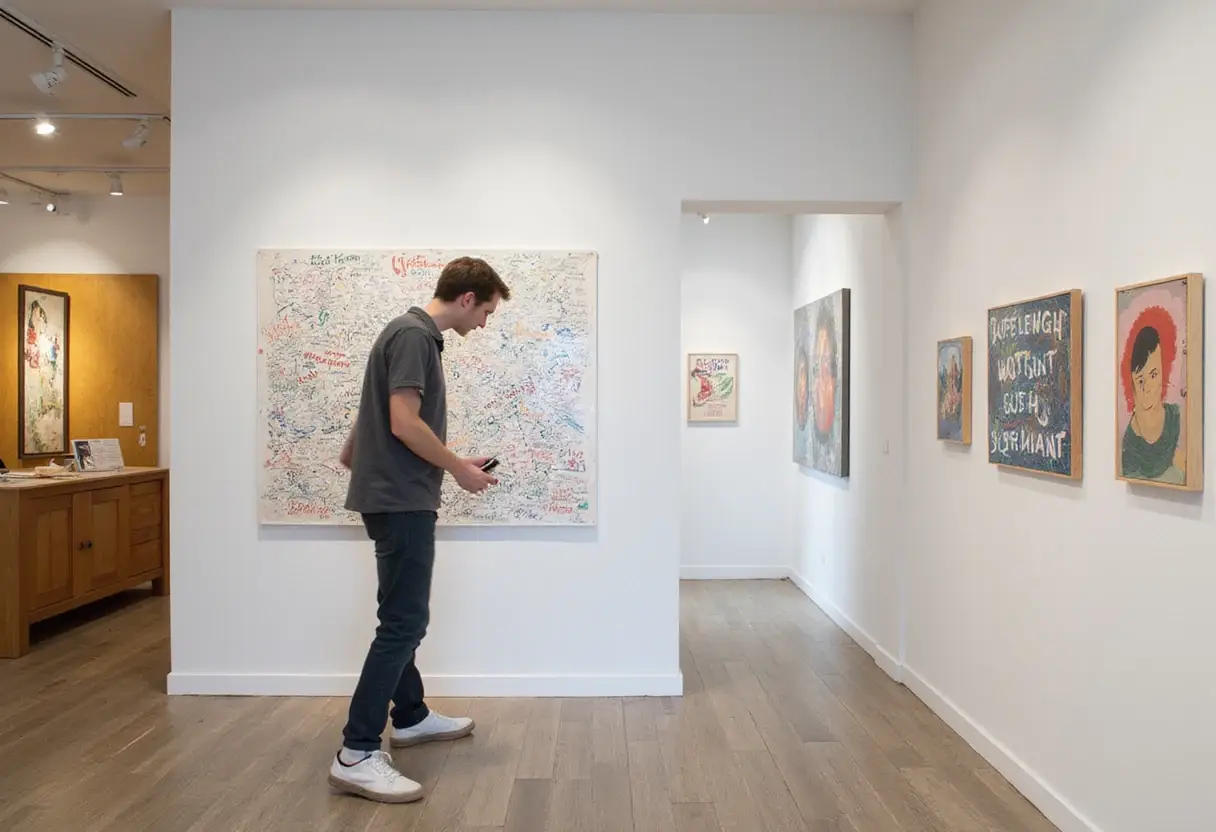
Judy Baca's half-mile Great Wall of Los Angeles, painted on the banks of the LA River, arrives at the Skirball Cultural Center in October 2026 in the exhibition The 1960s — A Generation on Fire: Judy Baca's Great Wall of Los Angeles. The show presents newly completed mural sections covering the 1960s — segments that will soon be added to the existing monument at the Tujunga Wash.
Baca conceived the Great Wall in 1974 as a monument to the people of California, a visual history of the state's ethnic peoples running from prehistoric times to the 1950s. In 1976 she co-founded the Social and Public Art Resource Center (SPARC). Working with SPARC, she brought together 400 young people, who collaborated with artists, historians and community members to paint the mural's first section. Since then, Baca and SPARC have worked to extend the chronology beyond the 1950s toward the present day.
What does the exhibition actually contain?
The Skirball frames the 1960s as a decade shaped by the moral courage, peaceful protests and cultural awakening of the Civil Rights Movement, and by what the exhibition calls the "generation on fire" who led the way. That framing carries Baca's long-standing premise: history is a living, contested and shared narrative in which everyone takes part.
The display is more than finished murals on panels. The exhibition includes:
- Recently completed mural sections focused on the 1960s, destined for the LA River site
- Preparatory drawings and color studies showing how the sections were developed
- An immersive video installation that places visitors at the Tujunga Wash, the murals' permanent home
- MuralMemoirs, an interactive component where visitors contribute their own histories
A rolling reveal across five months
The Skirball will unveil individual sections in stages rather than all at once. The exhibition runs from October to December 2026, pauses, and resumes from January to February 2027. Visitors in the later months will see material that earlier audiences will not — a deliberate structure that mirrors the mural's own decades-long, incremental growth.
What does this change for the mural itself?
The practical stakes are straightforward: these 1960s sections exist as finished work and are scheduled to join the half-mile monument at the Tujunga Wash. The Skirball run is the public's preview — and, implicitly, a test of how the new chapters read outside their final setting on the concrete channel of the LA River.
What the announcement does not say is when the new sections will be installed at the wash, or how far the chronology now extends beyond the 1960s toward the present. Baca and SPARC have described that completion as ongoing since the first section was painted; no completion date is on the table. For now, the museum wall, not the river wall, is the only place to see the newest chapters of California's painted history.
Original: bit.ly
More from Tom Whitfield
Show full bio
Market editor covering people, launches and day-to-day practice in arts in the broadest sense at Arts & Voices.
719 articles