Hessel Museum's Betty Parsons Show Gets a Mixed Verdict
'Betty Parsons: An Expanded World' at the Hessel Museum of Art examines the dealer behind Rothko, Martin, and Newman. A reviewer calls her own work 'fairly pedestrian.'
Programme
- "Betty Parsons: An Expanded World" opened at the Hessel Museum of Art in Annandale-on-Hudson, New York.
- Parsons represented seven major postwar American artists, including Agnes Martin, Mark Rothko, Barnett Newman, and Robert Rauschenberg.
- A multi-channel film by G. Anthony Svatek and Kaija Siirala plays inside the exhibition.
- A reviewer calls the show "off-kilter" and Parsons's own canvases "fairly pedestrian."
- The exhibition includes Parsons's painting "Early Morning" (1968).
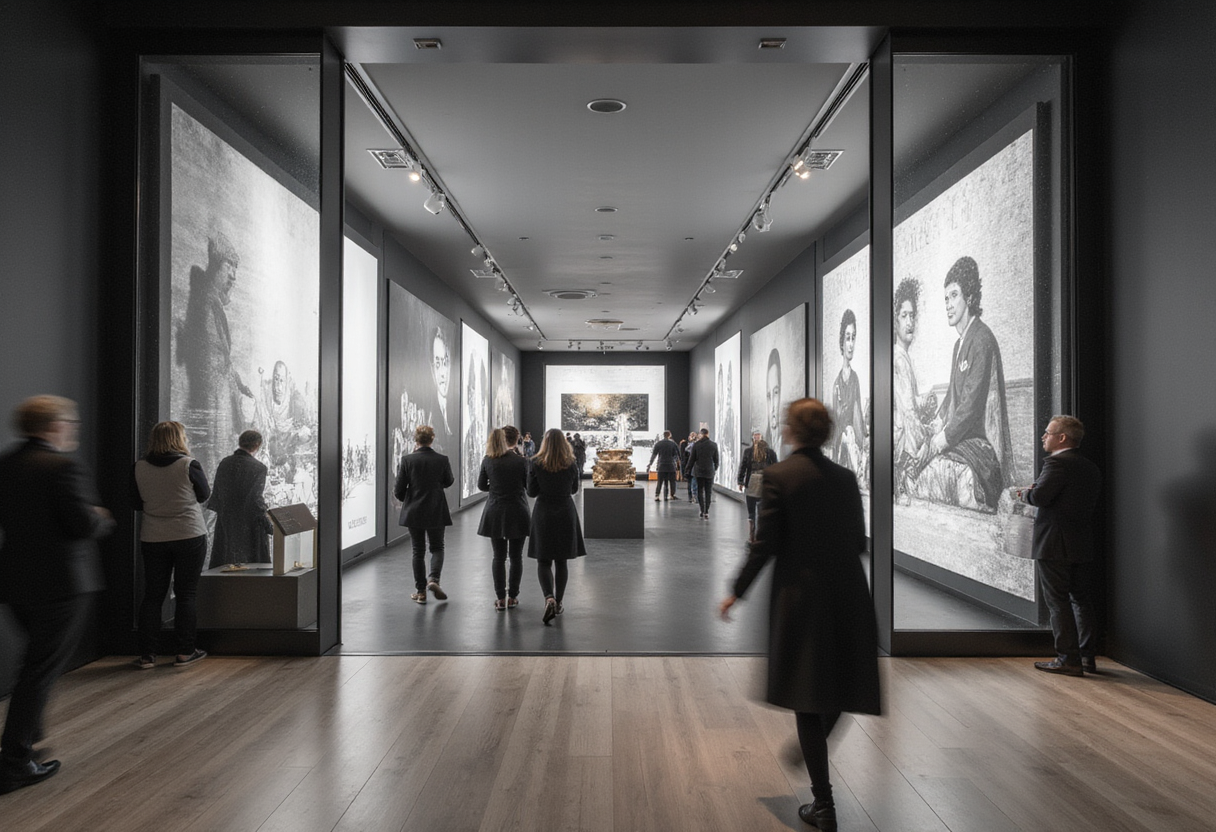
The Hessel Museum of Art in Annandale-on-Hudson, New York, has opened "Betty Parsons: An Expanded World," a survey one reviewer calls well-intentioned but "off-kilter," with the dealer's own canvases judged "fairly pedestrian."
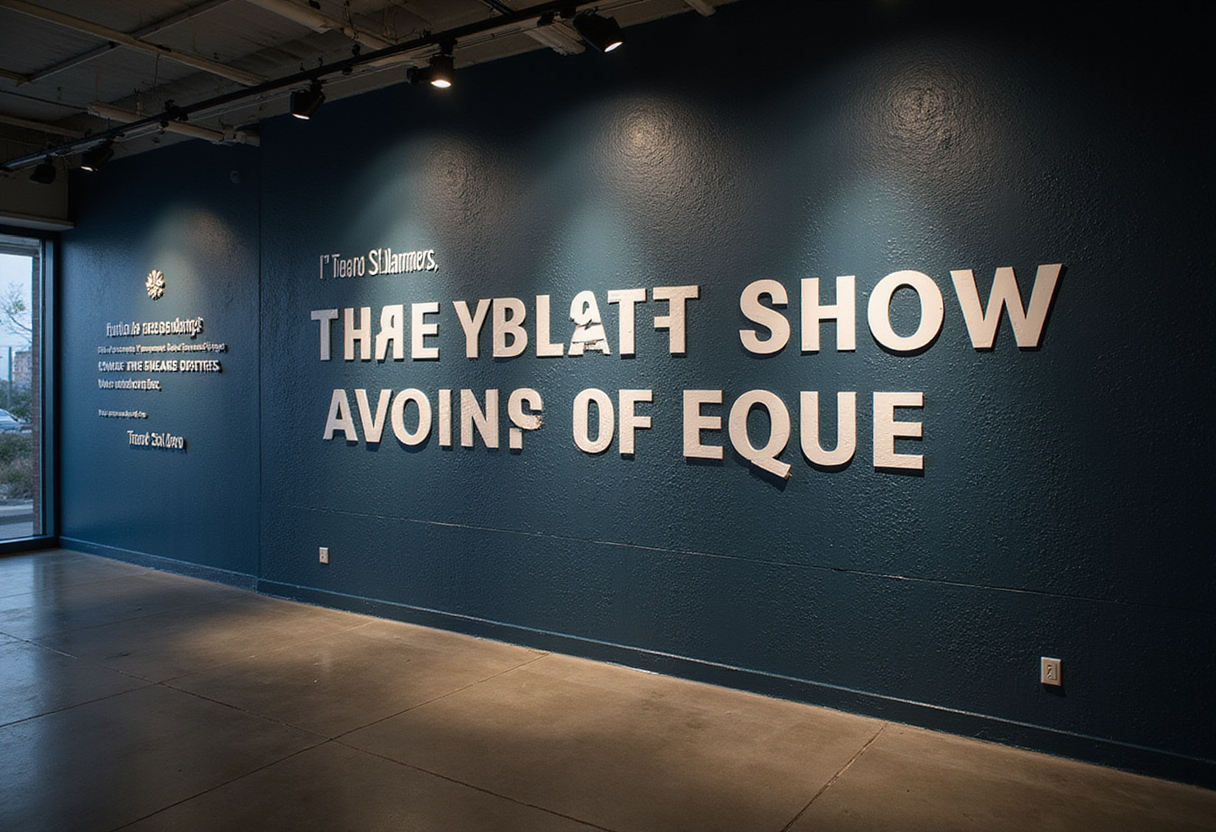
The exhibition centers on the woman who ran the Betty Parsons Gallery from 1946 onward — a small operation that punched above its weight. Her roster reads like a syllabus for postwar American art: Agnes Martin, Barnett Newman, Barbara Chase-Riboud, Clyfford Still, Sonja Sekula, Mark Rothko, and Robert Rauschenberg. The show's wall text credits her business with "ushering in the American avant-garde."
The gallery's history drives the show. A multi-channel film by G. Anthony Svatek and Kaija Siirala plays inside the exhibition, drawing on archival interviews. In one segment, Parsons says:
"I was very critical of the male, because there were so many boring males around me ... athletic ... rich ... regressive, and ... insensitive, and I didn't like any part of it. I thought they were all bloody horrors. So, when I did find someone who was sensitive and imaginative, well, it was just great."
The film also captures what that sensitivity cost her roster. Agnes Martin, asked about her time with Parsons, says: "I hate to tell the truth, but the truth is that she didn't pay very well. So, I had to leave her in the end." Parsons later concedes: "It's tough going because you work very hard and all you get is a kick in the ass for it." Most of her successful artists eventually defected to rival galleries.
What does the exhibition actually show?
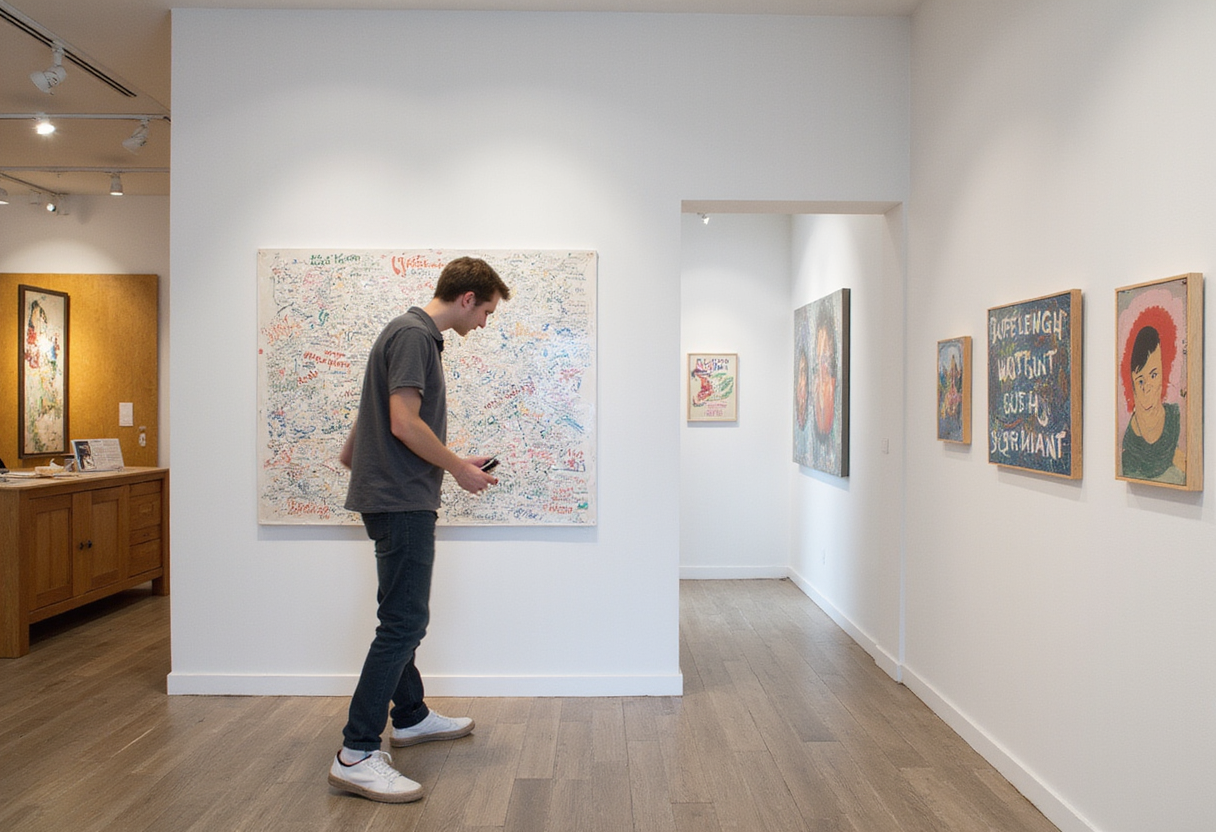
Beyond the documentary material, the hanging includes Parsons's own paintings and sculptures — and here the verdict hardens. The work is "fairly pedestrian," the reviewer argues, even if the curatorial effort is plainly respectful. One piece pictured in the show is "Early Morning" (1968). The review does not enumerate further works, and that omission is itself telling: a survey that cannot lean on individual objects to carry the visit leans on biography instead.
What does the review leave unsaid?
The reviewer flags "a couple glaring incongruities" without naming them. What is named is the gap between Parsons's stature as a tastemaker and the relative thinness of her own artistic output — a tension the Svatek–Siirala film partly surfaces but does not resolve. The show frames her gallery as a workshop for modernism; the same workshop eventually drove its best-known apprentices elsewhere.
What does this change for Parsons?
For the Hessel Museum, the exhibition extends attention to figures who shaped postwar American art from behind the gallery desk. For Parsons herself, the unresolved question is whether retrospective attention can rest on curatorial scaffolding alone. Her artists' names still move the market and the museums; her own paintings, on the evidence of this review, do not.
Original: storage.ghost.io
More from Tom Whitfield
Show full bio
Market editor covering people, launches and day-to-day practice in arts in the broadest sense at Arts & Voices.
476 articles