Julia Loktev Recalls the Week Russia Invaded Ukraine
Director Julia Loktev says her two-part TV Rain documentary 'My Undesirable Friends' was never planned — Russia's invasion of Ukraine forced it into existence within one week.

Programme
- Julia Loktev's two-part documentary 'My Undesirable Friends' follows journalists at TV Rain, Russia's last independent news channel.
- Russia launched its full-scale invasion of Ukraine four and a half months after Loktev began filming, and shut down all independent media within the first week.
- The project was originally planned as a single film titled 'The Lives of Foreign Agents'.
- Part II begins after the journalists were forced to flee Russia and scatter across Europe.
- National Geographic Documentary Films reaches 300 million people in 180 countries and 33 languages.
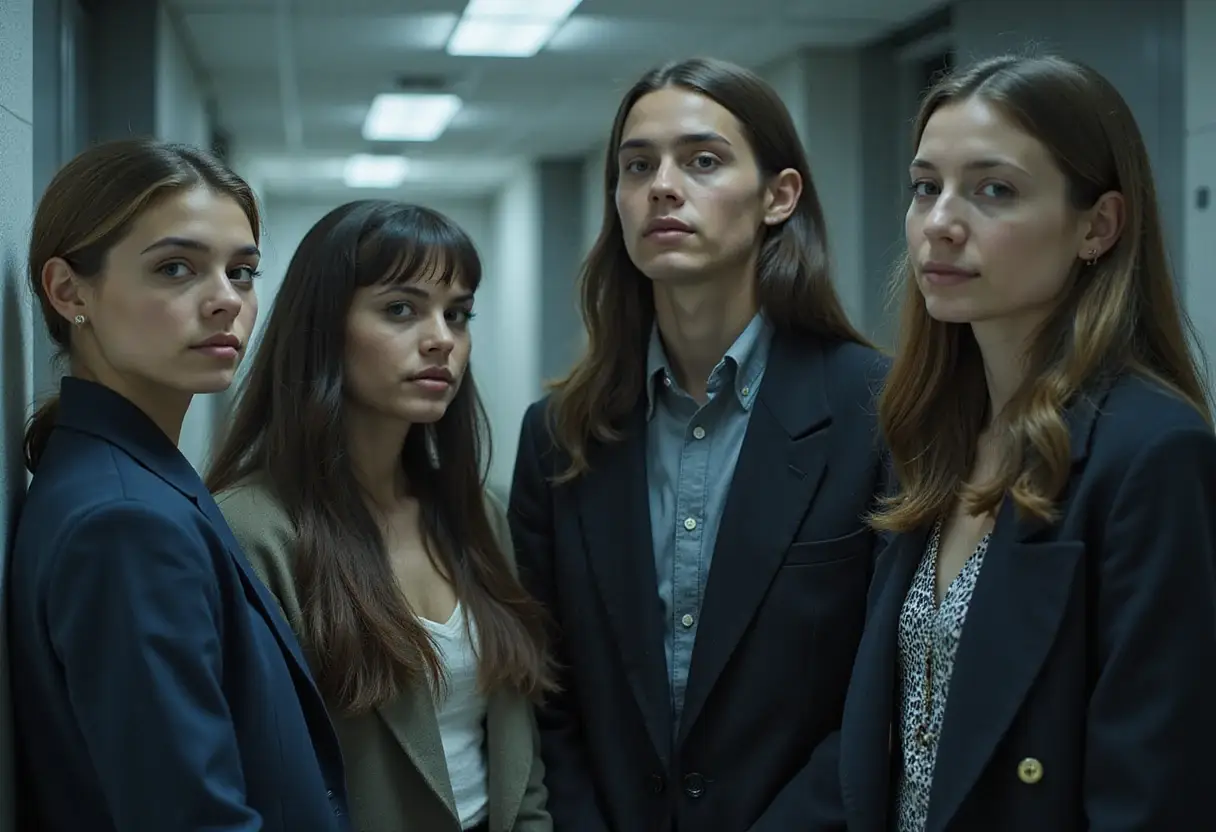
Julia Loktev's two-part documentary "My Undesirable Friends" began as one film and became two because Russia invaded Ukraine. The films follow journalists at TV Rain, the last independent news channel in Russia before it was shut down over its coverage of the war in Ukraine.
Loktev laid out the project's strange genesis during a conversation with IndieWire's Chris O'Falt at the Art of the Doc event. She had already been shooting footage of her subjects. The films truly took shape, she said, the week Russia invaded Ukraine.
How did the war rewrite the film?
"Neither of these two films were supposed to happen," Loktev said. "I just started making a film that I thought was gonna be called 'The Lives of Foreign Agents' about these young journalists that were being called foreign agents. And the media were being called undesirable organizations. Of course, what we didn't know was that four and a half months later, Russia would start a full scale war with Ukraine and shut down all independent media within that first week."
The timeline matters. Loktev started filming young Russian journalists who had already been branded "foreign agents" under Russian law. Four and a half months later, the full-scale invasion began. Within one week, Russia had shut down all independent media.
The original film, as Loktev conceived it, was a story about journalists working in a hostile climate. Her subjects then fled the country and scattered across Europe. The project had to expand its scale.
What does Part II capture?
"'Part II' starts right after all these journalists were forced to leave the country," Loktev continued. "Putin calls them the flies that Russia spits out of its mouth. But that first week was terrifying. Nobody could imagine invading Ukraine. The war had been going for eight years, but it was the kind of year where the world allowed Russia to host a world cup… All of these journalists tried to report the truth to Russians, and up until that moment they were living in Russia. Maybe you were waiting for the police to show up at your office or your home, maybe friends of yours were being arrested, but you could still work in Russia. And then that stopped."
Her account draws a precise before-and-after line. Before the invasion, journalists at TV Rain faced harassment, arrests of friends and the constant threat of police raids. They could still work inside Russia. After the first week of the war, that stopped.
Why documentaries change shape
Loktev's experience illustrates a truth about the documentary form itself. Great documentaries never turn out quite the way you plan them, and a documentarian has to accept when changes in the lives of their subjects change the nature of the project. In this case, a national catastrophe forced a single film about press freedom into a two-part chronicle of exile.
National Geographic Documentary Films, part of a joint venture between The Walt Disney Company and the National Geographic Society, releases premium feature documentaries that reach 300 million people worldwide in 180 countries and 33 languages across the global National Geographic channels and on Disney+ and Hulu.
Its recent titles include the Emmy-nominated, IDA Award-winning "The Tale of Silyan;" Oscar and Peabody nominee "Sugarcane;" Oscar-nominated "Bobi Wine: The People's President;" Emmy winner "Lost In the Jungle;" Oscar- and BAFTA-nominated "Fire of Love;" Emmy and Peabody winner "The Territory;" BAFTA nominees "The Rescue" and "Becoming Cousteau;" and Oscar and BAFTA winner "Free Solo."
The full conversation with Loktev offers the fullest account yet of how "My Undesirable Friends" documented, in real time, the end of independent journalism inside Russia.
Original: pmc.com
More from Marcus Bennett
Show full bio
Staff writer covering people, launches and day-to-day practice in arts in the broadest sense at Arts & Voices.
880 articles