Lesley Manville Faces Martial Law in 'Winter of the Crow'
Lesley Manville plays a professor swept up in Poland's 1981 martial law declaration in 'Winter of the Crow,' a slow-burning drama of life in Communist Warsaw.
Programme
- Lesley Manville stars as a professor in 'Winter of the Crow'
- The film is set in Communist Warsaw in 1981
- The plot centers on the declaration of martial law in Poland
- The review describes the film as slow-burning
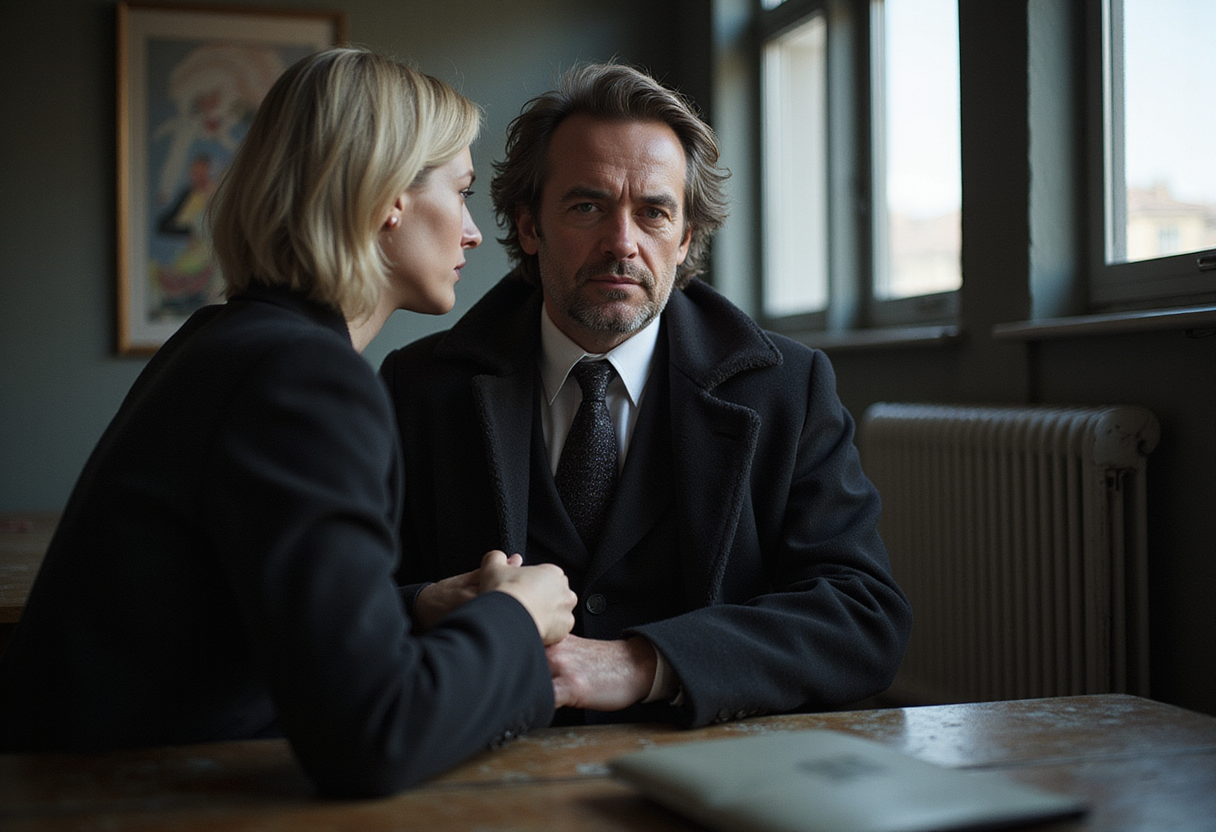
Lesley Manville stars as a professor caught in the declaration of martial law in Poland in Winter of the Crow, a new film set in Communist Warsaw in 1981.
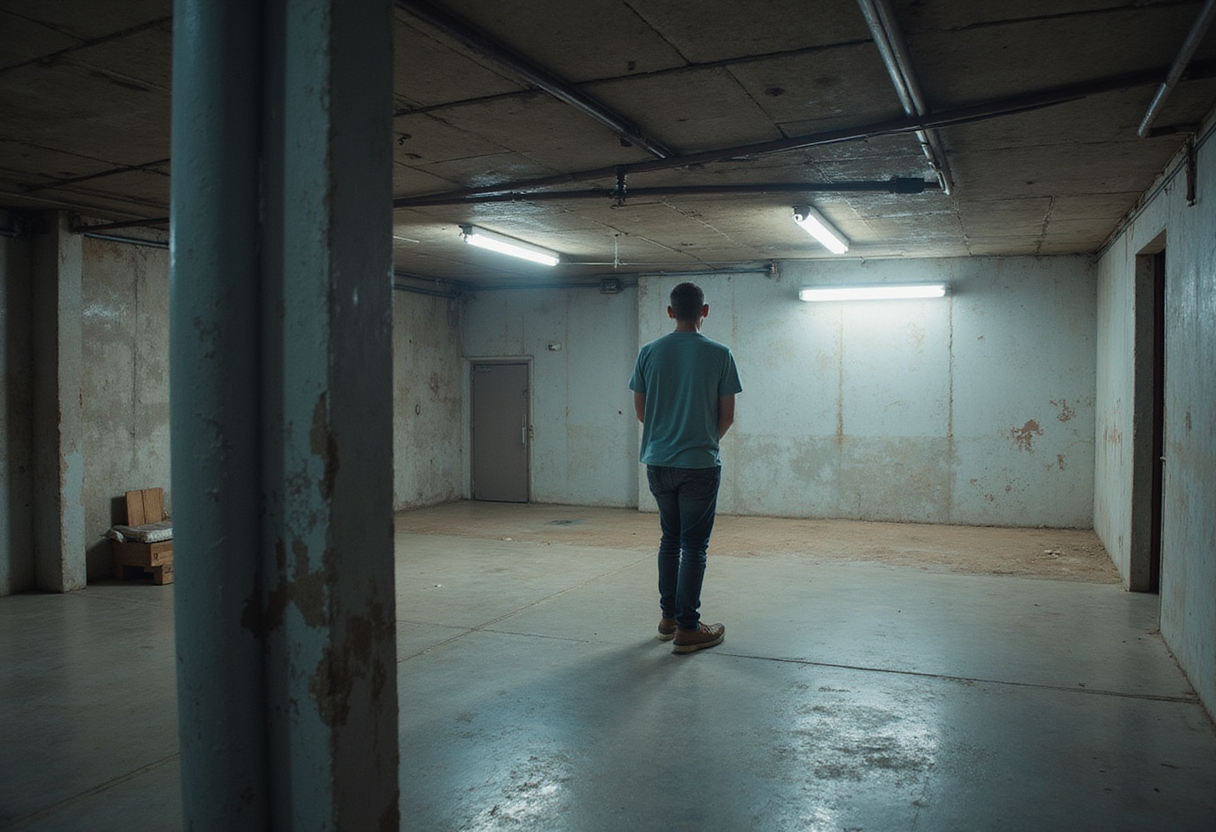
The film reconstructs life under the Communist regime at one of its most repressive turning points: December 1981, when the Polish government imposed martial law. Manville's professor becomes swept up in those events as the state tightens its grip on everyday life in Warsaw.
The review describes the project as a slow-burning film — a deliberately paced drama rather than a thriller, one that builds its portrait of the era through accumulated detail rather than dramatic bursts.
What is 'Winter of the Crow' about?
The story centers on a single figure: a professor, played by Manville, living and working in Warsaw in 1981. The declaration of martial law transforms the conditions of ordinary professional and private life around her.
The setting anchors the film in a specific historical moment. Martial law in Poland, declared in 1981, suspended normal civic freedoms and placed the country under military control. The film uses that backdrop to examine how a member of the intelligentsia — a university professor — experiences the crackdown.
What does Lesley Manville's role bring?
Manville takes on the lead as the professor. The casting places a performer known for precise, interiorized character work at the center of a political-period drama.
The review's characterization of the film as "slow-burning" signals where the emphasis lies: not on set-piece suspense but on the gradual tightening of circumstances around one person. Life in Communist Warsaw, as the film presents it, is shaped by constraint, patience and endurance.
How does the film portray Communist Warsaw?
The production reconstructs the Polish capital under Communist rule in 1981 — the year martial law was declared. The professor's trajectory through the city during this period forms the spine of the narrative.
By filtering a national political crisis through the experience of one academic, the film follows a familiar model of historical drama: large events registered at the scale of a single life.
Why the 1981 setting matters
The declaration of martial law is the film's central historical fact. It is the event that disrupts the professor's life and gives the drama its stakes.
For audiences, the film offers a window onto a chapter of Cold War Europe — Communist Poland on the brink of the 1980s — rendered through the texture of daily existence rather than through the machinations of political leadership.
The critical framing as "slow-burning" sets expectations for viewers: this is a film of atmosphere and accumulation, rewarding patience as it documents how repression reshapes an ordinary scholarly life in Warsaw.
Source: NYT Arts
More from Daniel Okafor
Show full bio
News editor covering consumer brands and retail at Arts & Voices.
285 articles