Lincoln in the Bardo: The Met's Boldest Commission Yet
Missy Mazzoli and Royce Vavrek's Lincoln in the Bardo, premiered Oct. 19, is the Met's most successful recent commission — grand, flawed and streaming free on YouTube.
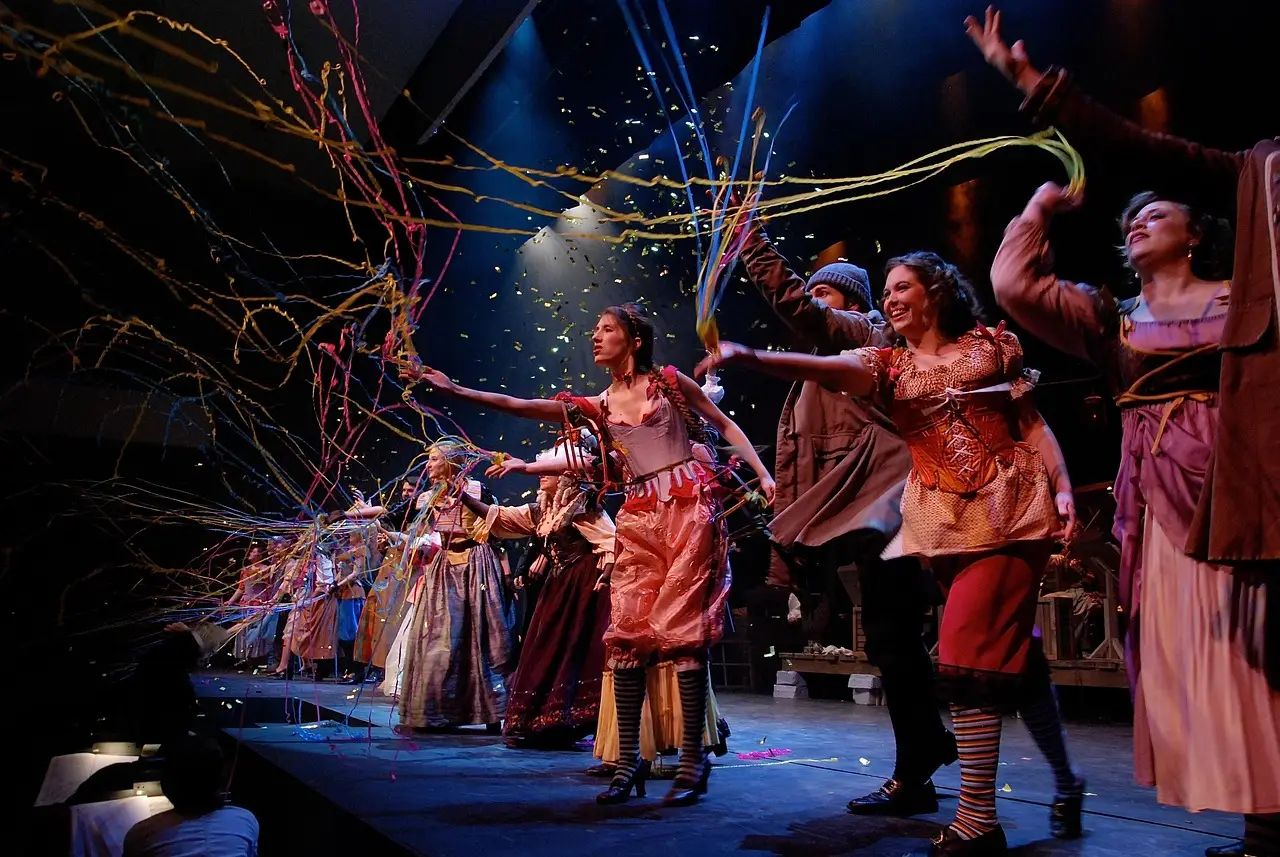
Programme
- Lincoln in the Bardo premiered Oct. 19 at the Metropolitan Opera House in New York City.
- It is the Met's first commissioned opera by a woman composer.
- The Met livestreamed the final performance on YouTube for four days.
- The opera adapts George Saunders' novel about Abraham Lincoln grieving his son William.
- Peter Mattei sings Lincoln; Everett Sobers plays Willie.
Missy Mazzoli and Royce Vavrek's Lincoln in the Bardo, which premiered on Oct. 19 at the Metropolitan Opera House in New York City, is the most successful of the Met's recently commissioned new works. Sold-out houses and a social media blitz made that much obvious. Then the Met did something genuinely unusual: it livestreamed the final performance on YouTube and left it up for four days.
That matters. The company has grown stingy in recent years, excluding many new productions from its Live in HD cinema series. Free streaming of a new opera, from this house, counts as an act of generosity bordering on the unthinkable.
The Met clearly wants the piece to lure new operagoers. It isn't perfect. The company should still be proud of it — not least because it fits the Met stage like few contemporary works do. It is also the long-overdue first commissioned opera at the Met by a woman composer.
What is the opera about?
Adapted from George Saunders' acclaimed novel, the story covers a single night. President Abraham Lincoln makes a solitary visit to the graveyard after his son William's death. Willie wakes up in the "Bardo" — an in-between realm for spirits who don't yet grasp that they've died. A trio of friendly spirits, knowing the dangers children face there, tries to convince him to move on.
The father-son relationship is the emotional core. Baritone Peter Mattei delivers. His Lincoln sings only in monologues, unable to see the spirits around him, and he infuses every word with layers of grief. Mazzoli gives him some of the opera's best music: long, soft orchestral phrases that slowly circle and build.
Everett Sobers is equally strong as the curious, frightened, determined son, conveying all the ache we'd expect of a child. His big final number — revealing to all the spirits that they're dead — falls flat, but that's the libretto's fault, not his.
Where does it stumble?
The second act is shorter and slighter than the first. Once Willie and Lincoln reach closure, there's little left but to wave goodbye to everyone. Impressive choral writing carries it along.
The act opens with the Reverend's account of a devastating encounter with an emissary of Jesus. Christine Goerke, clearly relishing this pants role (a woman playing a male character), supplies comic relief and warmth. But the character's fear of divine judgment reads as funny rather than frightening.
Mazzoli proves her versatility, above all in ensemble writing — no small feat for so huge a cast. Each group gets distinct harmonies and style: the comedic banter of Vollman (Ryan McKinny) and Bevins (Jonah Hoskin), the eerily angelic monsters, the Thenardier-like villains (Stephanie Blythe and Craig Colclough), the outré extremes of Elise Traynor (Anthony Roth Costanzo). Her orchestral palette is often subtle — a solo violin duetting with a voice, woodwinds quietly echoing one into a musical halo — and she's unafraid of silence.
Vavrek condenses the novel expertly, but the libretto stays wordy. Vollman and Bevins' plot explanations just take up space.
Both acts swerve late toward Black characters — Mrs. Francis Hodge (Janai Brugger), seeking revenge on the men who stole her children, and Thomas Havens (Joshua Blue), a formerly enslaved man. Their scenes are affecting, not least for Mazzoli's eerie scoring. But the thematic connection is awkward. Havens enters Lincoln's consciousness to plead the case of the enslaved, and they sing of a "kinship" — a too-easy incorporation, with dim, foggy scenery that reads as pure fantasy.
Still, the questions the opera raises — about death, hope and love — are universal and urgent. No other house could mount a production like this, though its grandness isn't the cause of its success; the creative, expansive score and meaningful characters are. On that foundation, its misfires and oddities are easily forgivable.
Source: sfcv.org
More from Daniel Okafor
Show full bio
News editor covering companies, deals and strategy in arts in the broadest sense at Arts & Voices.
1,577 articles