Lorella Castillo’s Muxu Photoshoot Turns Home Into Prison
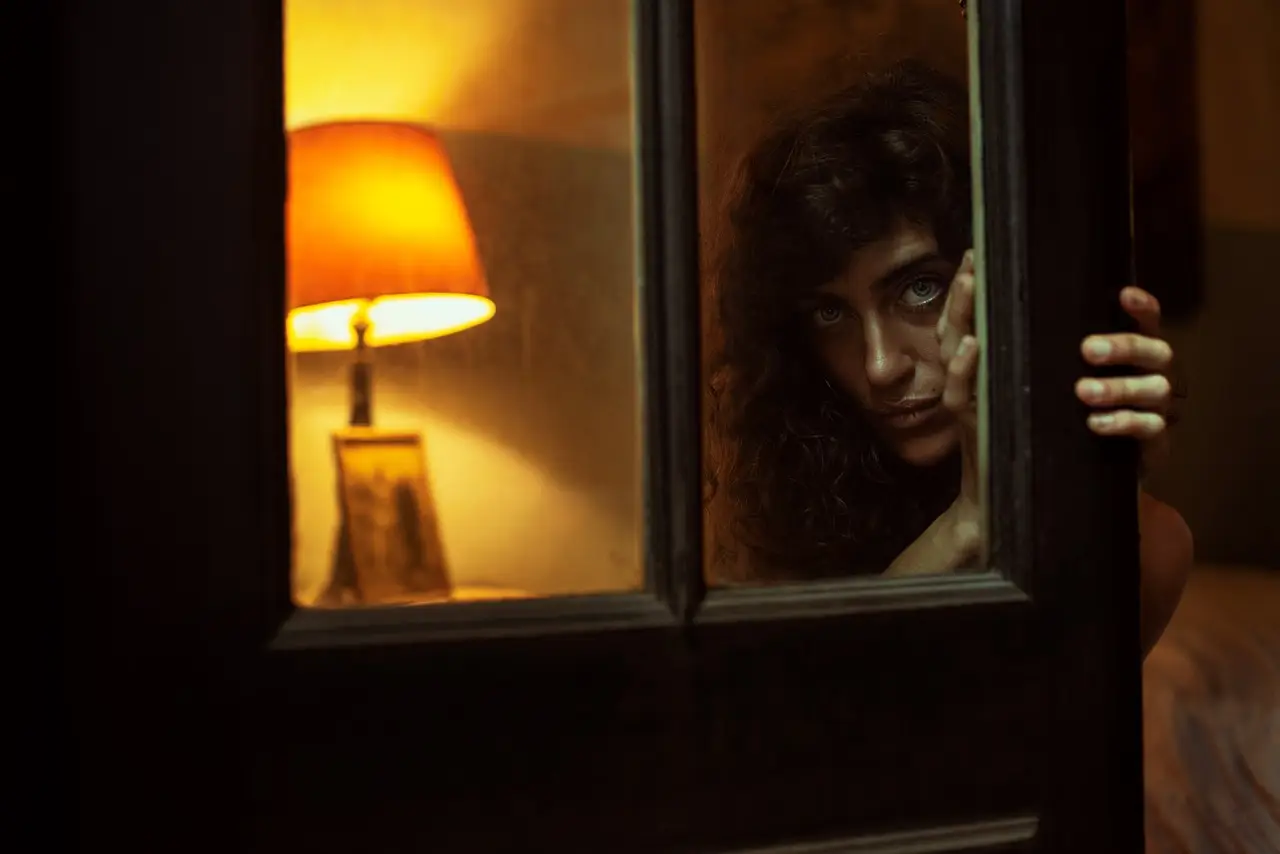
Photographer Lorella Castillo turns a fairytale into a story of isolation and confinement, with artist Muxu playing a figure trapped by duty, comfort and fear at home.
Programme
- Lorella Castillo directed and photographed the dark-fairytale project featuring Muxu.
- Muxu handled modelling and performance; Dea (@makeupby_dea) handled make-up.
- Castillo describes the character as living within “four walls” that become a prison.
- The character prays beneath the gaze of a painted saviour while seeking meaning in suffering.
- The photographs credit @lorellacastillo.
By Elena Vasquez
How does Castillo turn a fairytale into a prison?
Lorella Castillo directed and photographed a new dark-fairytale project featuring artist Muxu. The Maltese photographer framed Muxu as a character isolated at home by expectation, duty and fear.
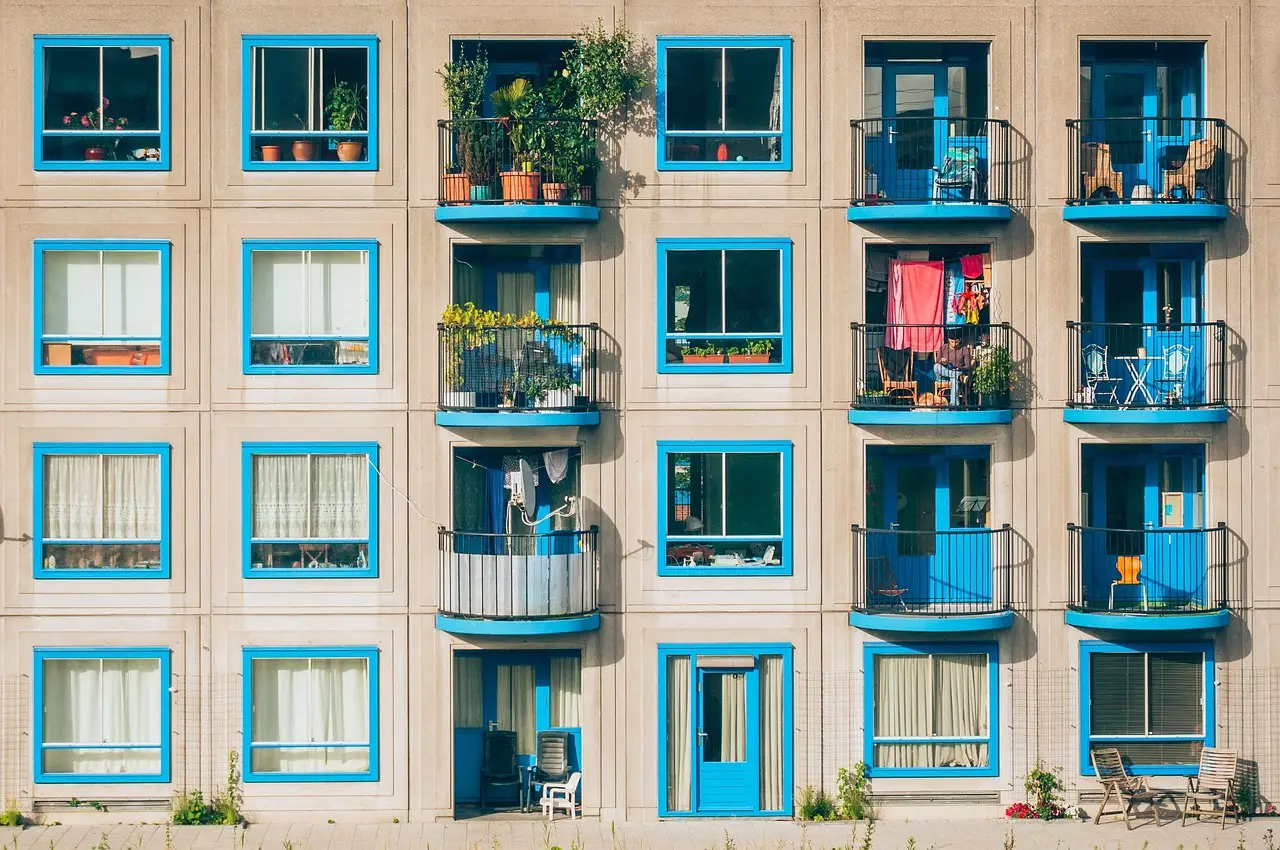
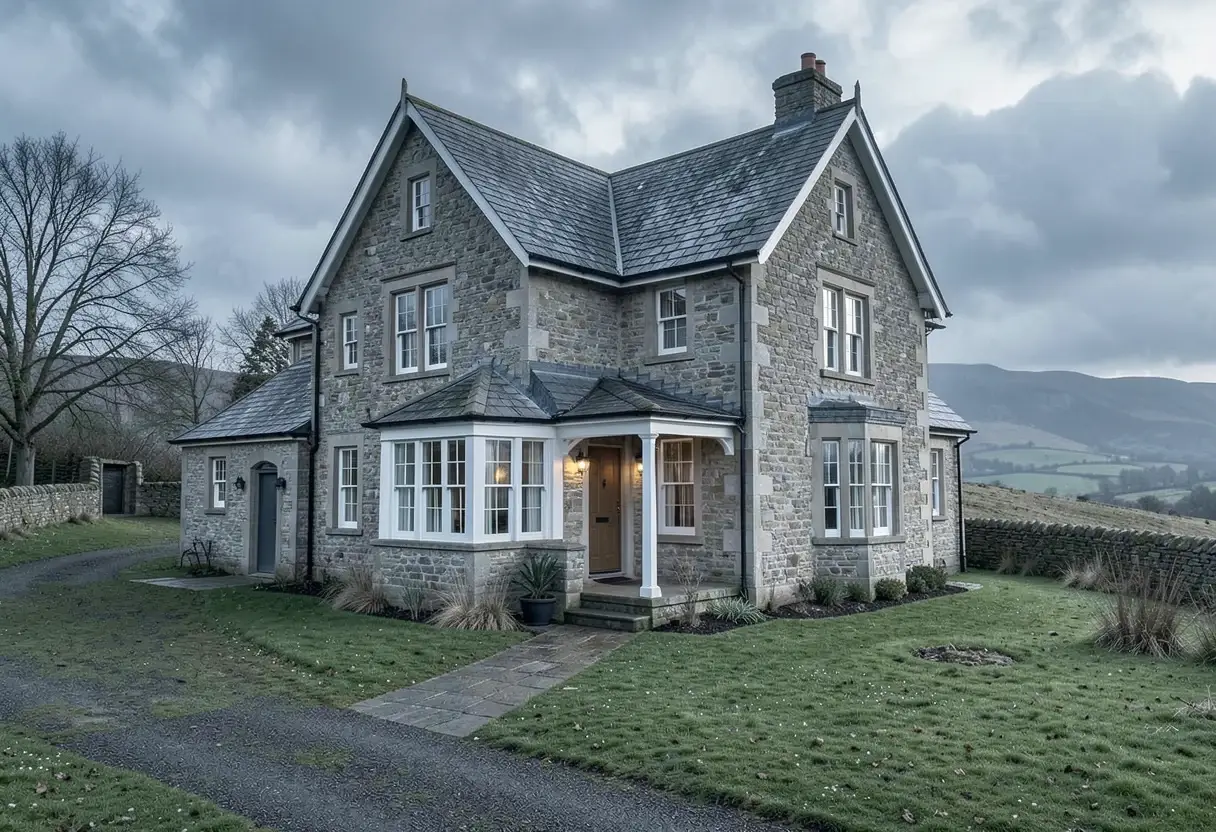
“In this fairy tale, the castle was a house, the royal duties were endless chores, and the prince was never coming to save him,” Castillo wrote alongside the project on Instagram.
Her premise rejects the expected rescue and substitutes a routine that exhausts the central figure. In Castillo’s photographs, the familiar home appears safe before its boundaries register as suffocation, gradually changing the setting from refuge into confinement for the trapped character.
“He lived within four walls that offered the familiar shape of safety, even as they slowly became his prison,” Castillo explained.
Castillo replaces the fairytale’s promise of a happy ending with a character confined by expectations, endless responsibilities and fear of what lies beyond. That confinement turns Muxu’s role into a study of isolation and the struggle to break free.
Takeaway: Domestic safety can become a prison when duty and fear outweigh the wish to leave.
How do faith and suffering shape the narrative?
Religious imagery supports the character’s search for meaning. Castillo places him in prayer beneath the gaze of a painted saviour, making the sacred figure part of the project’s account of suffering.
She also connects the absence of locked doors to the character’s reluctance to cross the boundaries of his familiar world. “But some prisons do not need locked doors. Sometimes, they only need to convince you that everything beyond them is more frightening than what lies within,” Castillo wrote.
In Castillo’s account, familiar surroundings, routine and fear of the unknown form the mechanism of captivity. The character wants to escape, yet the project presents uncertainty as a force stronger than the apparent security of home.
Takeaway: Fear can imprison a person even when every door remains unlocked.
Who made the photographs?
- Lorella Castillo: direction and photography.
- Muxu: modelling and performance.
- Dea (@makeupby_dea): make-up.
- Photo credits: @lorellacastillo.
Within that structure, Muxu’s performance carries the central role, while Dea’s credited make-up work completes the character’s presentation. Castillo remains responsible for both the concept’s visual language and its direction.
Castillo presents the completed series as a darker interpretation of a fairytale, one that examines comfort, confinement and the possibility of freedom rather than promising a conventional rescue. Her narrative offers no conventional happy ending. Instead, it leaves the central character confronting the fear beyond familiar walls.
Takeaway: The project leaves freedom possible, but the character must confront fear beyond the familiar walls.
Source: lovinmalta.com
More from Elena Vasquez
Show full bio
Senior reporter covering technology and product news in arts in the broadest sense at Arts & Voices.
1,138 articles