Luckenbach: How a Three-Person Town Became Country Music's Myth
Hondo Crouch bought Luckenbach, Texas in 1971 when three people lived there. By summer 1973, Jerry Jeff Walker had recorded ¡Viva Terlingua! in its dancehall — and an outlaw country legend began.
Programme
- Hondo Crouch purchased Luckenbach, Texas in 1971, when its population stood at three.
- Jerry Jeff Walker recorded ¡Viva Terlingua! in Luckenbach's dancehall in the summer of 1973.
- The dancehall sits 70 miles west of Austin, Texas.
- The 2021 US census recorded Luckenbach's population back at three residents.
- Crouch turned the ghost town into a rural gathering place for country stars in the 1970s.
Three people lived in Luckenbach, Texas, when self-appointed mayor Hondo Crouch purchased the town in 1971. Within two years, the settlement had hosted Jerry Jeff Walker's defining outlaw country album ¡Viva Terlingua! — and earned its place as one of the genre's most improbable centres.
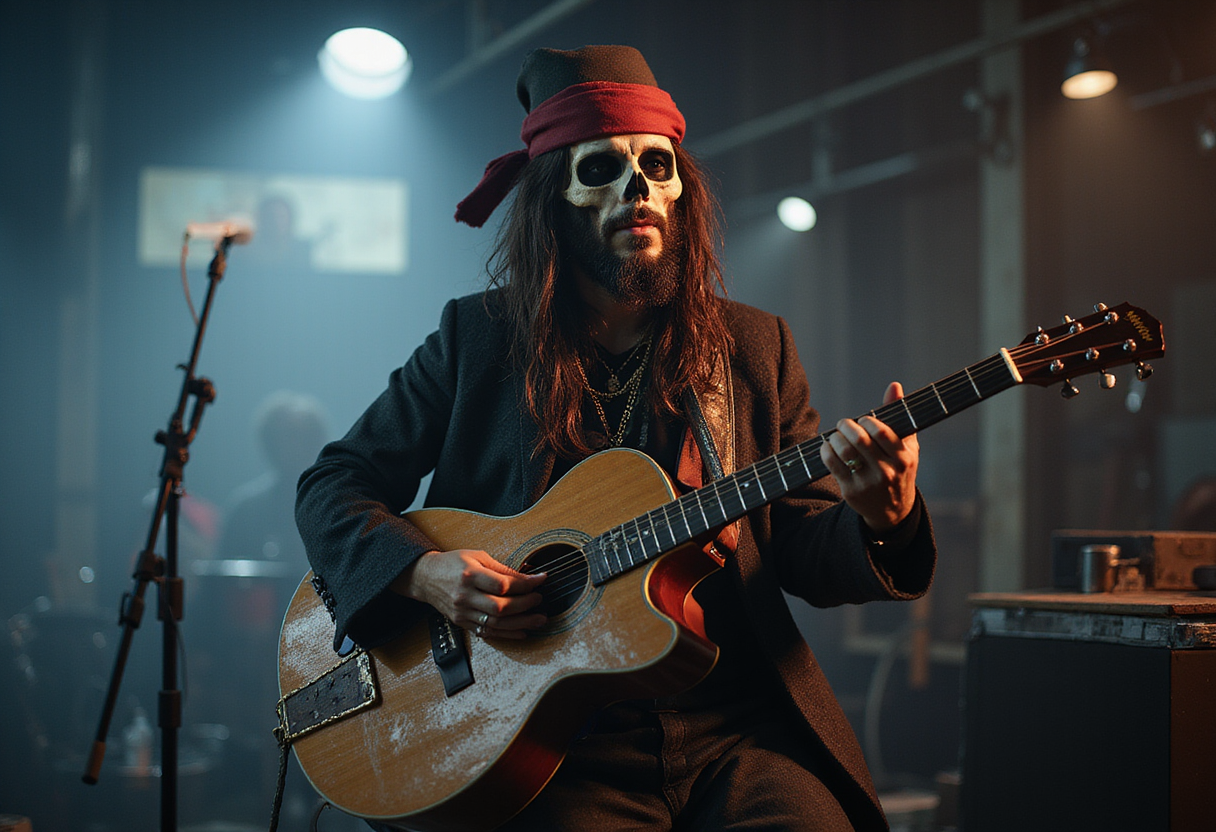
In the summer of 1973, Walker was in the middle of nowhere. A crowd packed the rafters of an old dancehall 70 miles west of Austin. An extension lead ran from the hall to a recording truck parked outside. After the audience had gone home, Walker stood in the street and told Crouch: "I wonder what we just did."
Who was Hondo Crouch?
Crouch bought Luckenbach in 1971 and styled himself its mayor. He turned the near-empty settlement into a rural respite for country stars seeking distance from Nashville's commercial machinery. According to the most recent census, in 2021, the town's population had returned to three — the same figure as the day Crouch signed the deed.
What did the 1973 recording produce?
The sessions produced ¡Viva Terlingua!, soon classed as a defining record of outlaw country. Walker and his peers returned to Luckenbach repeatedly through the decade. The town's ramshackle dancehall became a recording site, a performance venue and, eventually, a national reference point. Crouch's gamble — purchasing empty land and inviting musicians to fill it — produced one of country music's most improbable yet important centres.
Why did the story catch on?
Luckenbach was everything Nashville's polished studios were not: small, unstructured, and indifferent to commerce. The 1973 audience did not know it was witnessing a future classic. Walker did not know either. Yet within a few years, the town had been immortalised in chart-topping songs and pressed into service as a symbol of a simpler American life — an image its three current residents can scarcely be expected to sustain on their own.
What survives today?
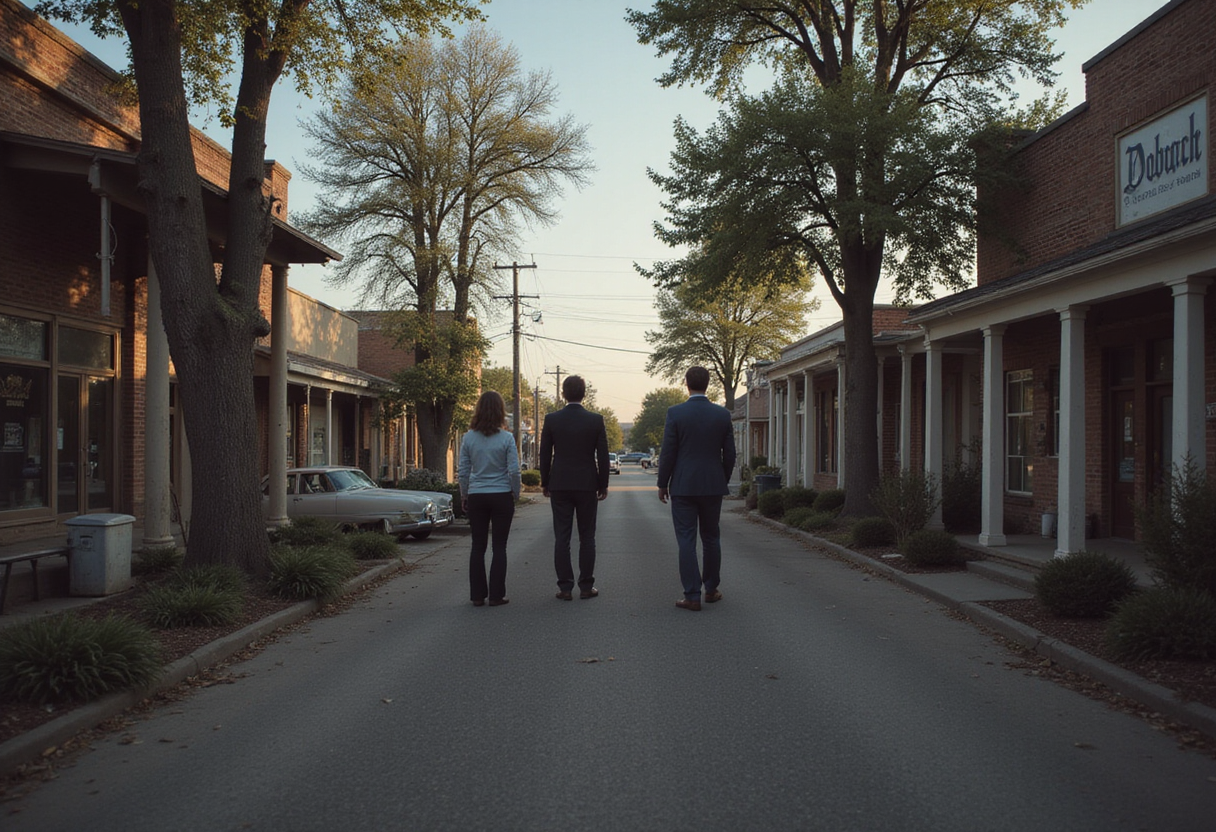
The dancehall still stands 70 miles west of Austin. The 2021 census recorded three residents. Crouch died in 1976, leaving behind a settlement that operates today as a heritage site. Visitors arrive in numbers that would have stunned the man who once poured drinks between sets, but the town retains the same small footprint.
What does the legacy mean now?
Country music's commercial gravity has continued to pull toward Nashville and, more recently, toward algorithmically curated streaming playlists. The mythology built around a Texas dancehall in 1973 has outlived both Crouch and the genre's commercial heyday. Luckenbach — a settlement of three, a stage for one, and a song in millions of memories — is still answering the question Walker asked in the street that summer night.
Source: Guardian Music
More from Daniel Okafor
Show full bio
News editor covering consumer brands and retail at Arts & Voices.
347 articles