M John Harrison, 81, Becomes Oldest Booker Prize Winner
M John Harrison, 81, wins the 2026 Booker prize for The End of Everything, becoming the oldest and first science fiction winner in the award's history.

Programme
- M John Harrison won the 2026 Booker prize, announced 9 November 2026.
- At 81, Harrison is the oldest ever Booker winner.
- He is the first science fiction author to win the Booker prize.
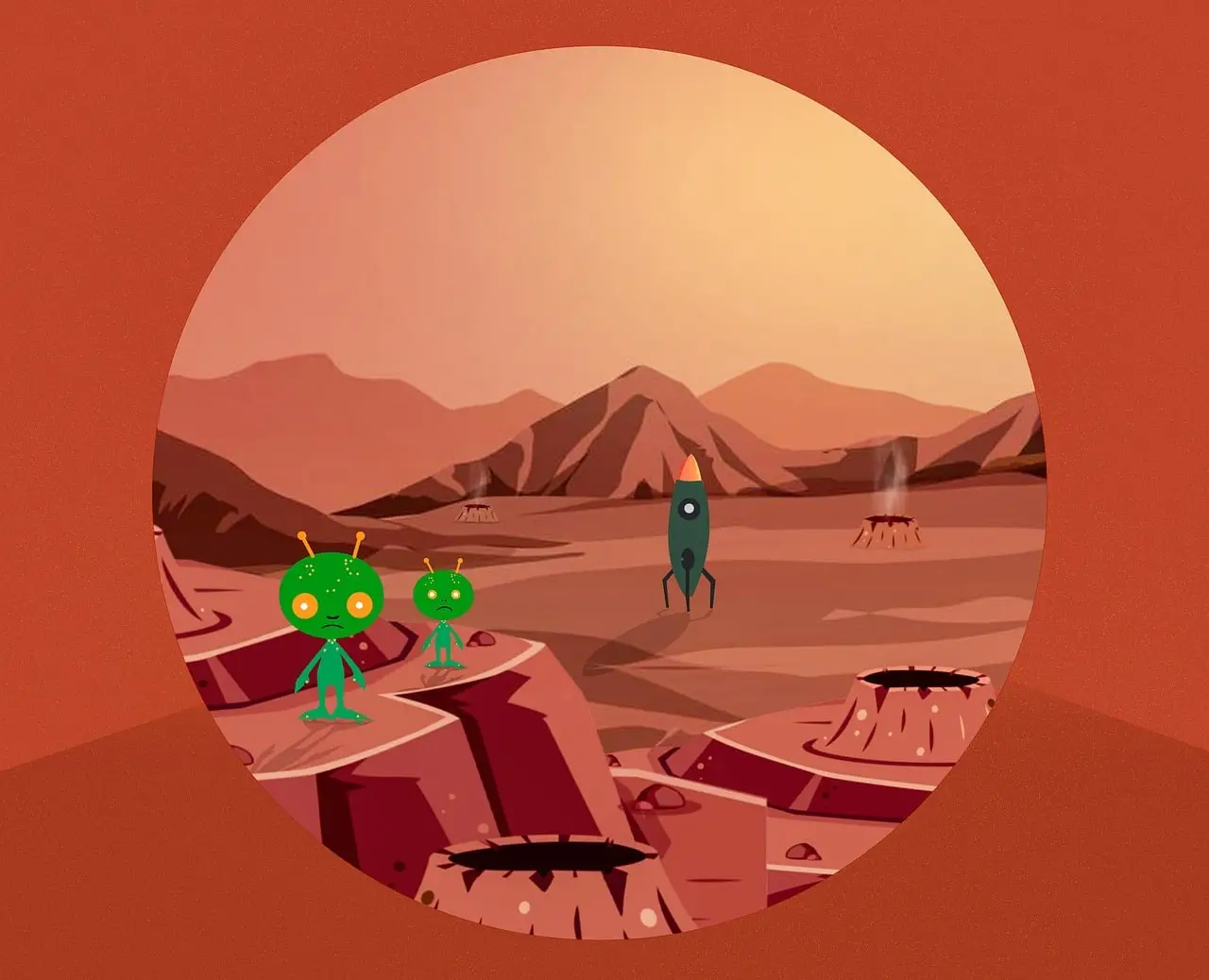
- The winning novel, The End of Everything, follows beachcomber Phillip and artist Marnie on the Kent coast after an alien invasion.
By Marcus Bennett
M John Harrison has won the 2026 Booker prize for The End of Everything, becoming at 81 the oldest winner in the award's history and the first science fiction author to take it. The Guardian confirmed the result on 9 November 2026.
The win marks the close of a 60-year journey. Harrison spent those decades on the margins of literary culture, writing fiction that stayed, in the Guardian reviewer's words, "deeply weird and unique" without compromise. The prize now delivers the recognition the paper argues he deserves.
What is The End of Everything about?
The novel is, by design, difficult. The Guardian review calls it "baffling, unnerving, confusing – very purposefully so." It follows two lost souls on the Kent coastline: Phillip, a beachcomber, and his artist aunt Marnie. Decades earlier, alien entities called the iGhetti leaked into the world and triggered a slow-motion social collapse.
The world Harrison builds is specific and grim:
- The City of London is a battle zone.
- Strange biological "artefacts" wash up from the sea.
- People suffer unpredictable episodes of psychic rupture, called with classic British understatement a "bad patch".
Phillip pulls one artefact from the sea hoping to sell it on the black market. It displays mimicry and an uncanny capacity for self-actualisation that the review likens to a large language model.
Why is the novel strikingly topical?
The iGhetti invite competing readings, and the review declines to fix one. They became more forceful in the 1980s and cluster around the financial district — a possible image of late-stage capitalism. In the novel, the continent appears cut off from England, an echo of Brexit. Climate degradation and artificial intelligence supply further readings, the latter reinforced by the artefact's machine-like behaviour.
Harrison also mirrors the present directly. His characters are meant to gather a government-mandated three-day emergency stockpile, though nobody is sure for what. The reviewer notes the real-world parallel: readers today face the same instruction, and the same uncertainty — "take your pick".
Against catastrophe, the book's posture is stoical. What can one do, the review asks, but try to keep calm and carry on?
What does the prize change for Harrison and for genre fiction?
The answer is institutional recognition. The Guardian frames the award as a symbol of Harrison's movement "from the margins into the limelight" after six decades of work, and his win breaks the Booker's long exclusion of science fiction. For a writer who never softened his vision, the honour arrives at 81, on the strength of a novel that refuses to make itself easy. That combination — the award and the difficulty — suggests the literary establishment has widened what it is willing to reward, and that Harrison's kind of strangeness now sits at its centre rather than its edge.
Source: theguardian.com
More from Marcus Bennett
Show full bio
Staff writer covering people, launches and day-to-day practice in arts in the broadest sense at Arts & Voices.
1,202 articles