Ma Yansong's Lucas Museum Opens After 12 Years Across Two Countries
Ma Yansong's Lucas Museum of Narrative Art opened in Los Angeles after 12 years and two countries. The architect calls it a bridge between imagination and reality.
Programme
- The Lucas Museum of Narrative Art, designed by Ma Yansong, opened in Los Angeles in 2026 after a 12-year, two-country development.
- George Lucas chose Ma for the project in 2014; the museum was previously planned for San Francisco and Chicago.
- Ma, 51, graduated from Yale in 2002 and worked at Zaha Hadid's London firm.
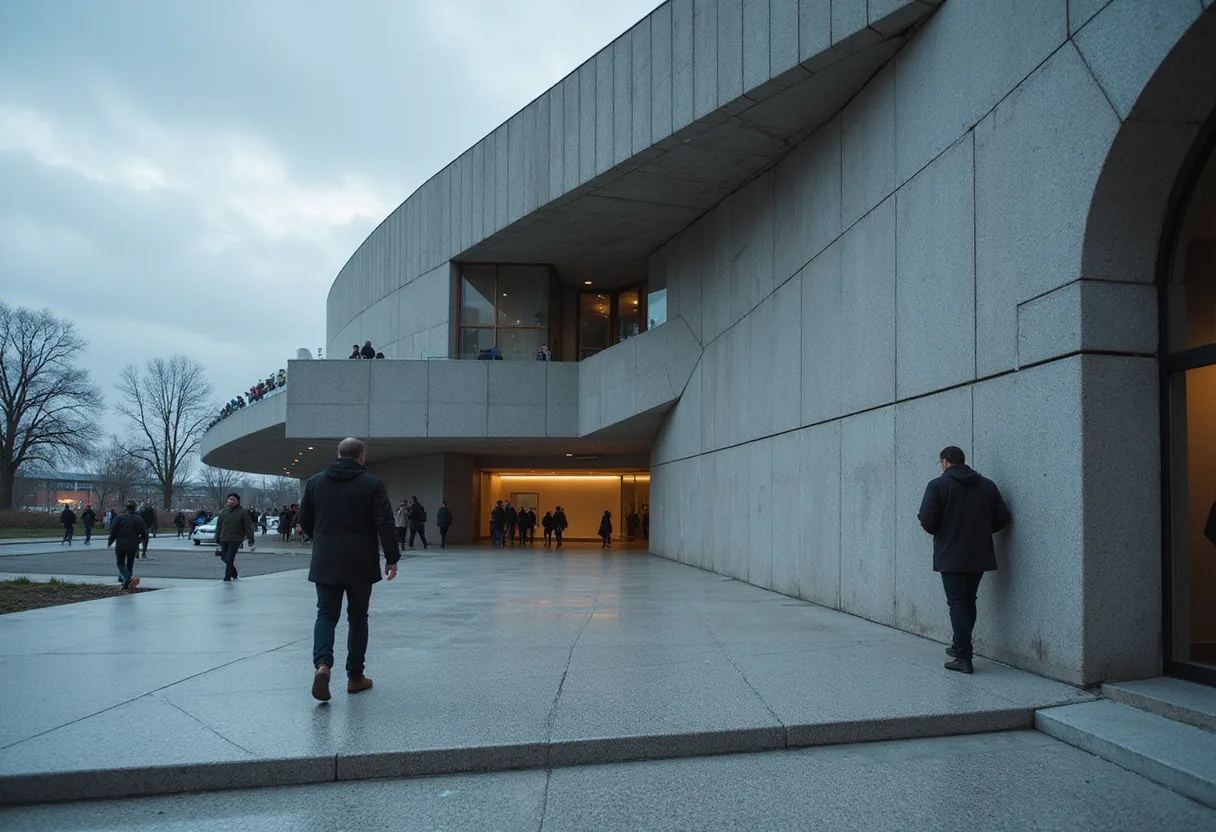
- The building's curved exterior is clad in thousands of white polymer panels, set in a park by landscape studio SLA.
Chinese architect Ma Yansong has completed the Lucas Museum of Narrative Art in Los Angeles, one of the highest-profile US buildings of 2026. The 51-year-old founder of MAD Architects spoke to Dezeen by video call at the museum's opening.
"This project took 12 years, across two countries, and the world changed around it. The building didn't," Ma said. The project, funded by Star Wars creator George Lucas, was first planned for San Francisco, then Chicago, before landing in Los Angeles.
What does Ma see in common between the US and China?
Ma framed the museum as a rare stable point in a period marked by trade wars, AI competition, and a US federal government that has enshrined classical architecture as a national norm. He argued that architecture can illuminate what the two countries share.
"I see a lot in common between the two countries," he said. "They both like innovation and new things, and they focus on young people, on education."
His career traces that path. Born in Beijing, he earned a master's degree from Yale in 2002. There he became interested in Zaha Hadid's parametric architecture and later worked at her London firm — a studio that developed its signature style during China's early-2000s building boom. The Lucas Museum reverses the flow: a Chinese architect exporting those principles to California, after completing dozens of projects in China.
Cloud, not spaceship
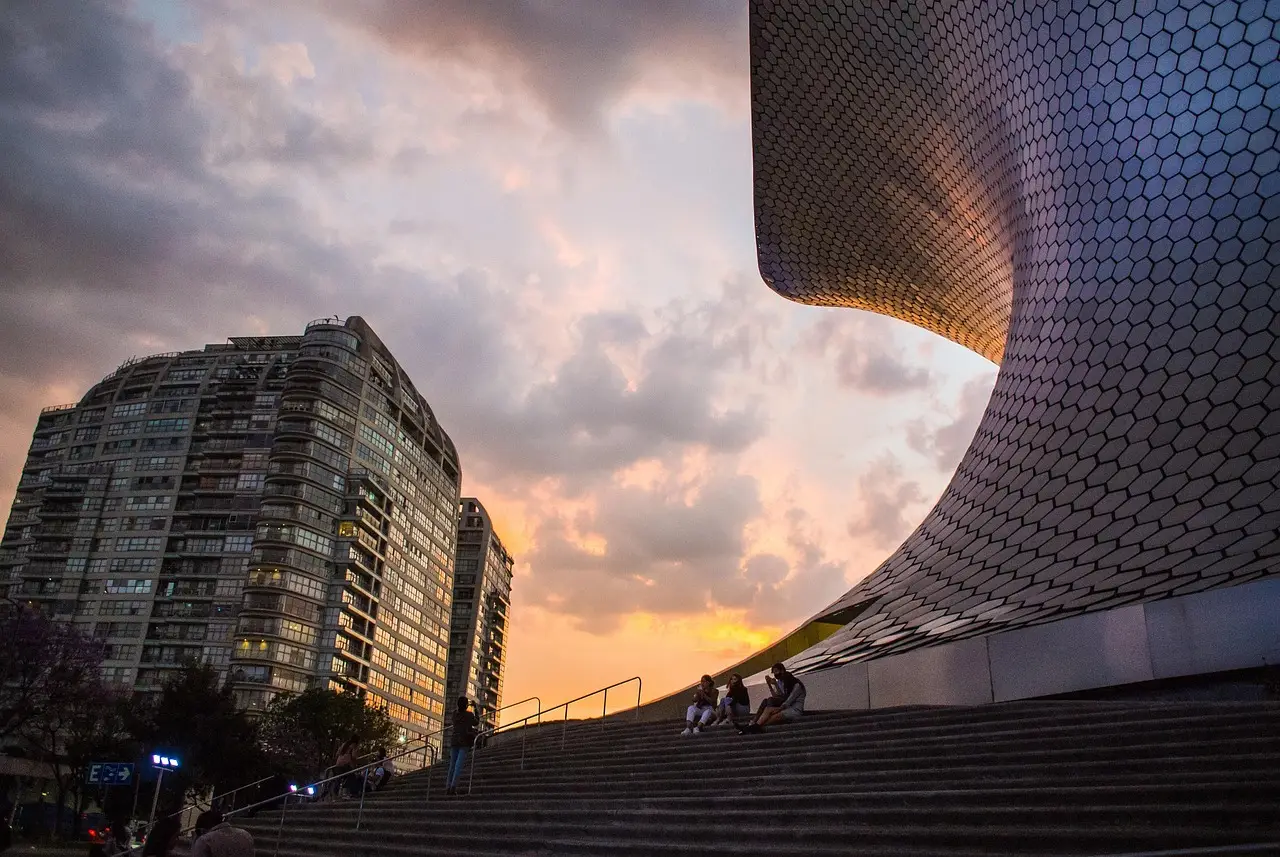
The museum's curved exterior is covered in thousands of white polymer panels. Ma rejected Dezeen's description of the building as "spaceship-like." He compared it instead to a cloud, an enduring symbol of the imagination.
He worked with landscape studio SLA on an expansive park that extends the museum into the city. He called the combined effect "surreal nature" and said he aims to bring the natural into the urban environment. Similar ambitions shaped his Shenzhen Bay Culture Square and One River North in Denver, the latter a building with a cracked-open facade completed in 2024.
Parametric buildings have drawn criticism for their detachment from sites and for being self-referential, most recently in a 2026 opinion piece cited by the magazine. Ma's answer is narrative.
"I think architecture is a bridge between the imagination and reality," he said, adding that he hopes the museum functions like the narrative art it holds.
How did the Lucas partnership work?
Lucas tapped Ma for the project in 2014. Their relationship, Ma said, grew from a shared attachment to popular storytelling rather than high culture. Ma had already referenced a scene from Star Wars in his bulbous 2005 museum for Ordos, an influence he did not advertise in early meetings with Lucas.
"[George and I] are always talking about ideas, and he's always supportive. We were constantly discussing what is narrative art," Ma said. That question led him to another: "what is narrative architecture?"
Ma, who wanted to become a science fiction director before turning to architecture, said the project let him "kind of achieve my goal as a movie maker." "You create a dream," he said. "That's important."
A cathedral without ornament
Inside, the museum's massive open-air dome lets visitors look up through the panelled apex at the sky. The space has a cathedral-like grandeur, but it lacks statues, text and other traditional figurative storytelling devices.
"The architectural space is a trigger for different people to have their own stories. I think that's a little different from the classic buildings," Ma said. "I'm not interested in everyone receiving the same message." He described his task as finding "a balance between abstraction and emotion."
"I like the future, but not the cold future," he said. "It's more important that the building is warm and welcoming." He hopes the museum will inspire visitors the way Yale's innovative architecture once inspired him: "When people see a building that's so idealistic, that is pushing the boundary, everyone will be encouraged."
Original: britannica.com
More from Elena Vasquez
Show full bio
Senior reporter covering technology and product news in arts in the broadest sense at Arts & Voices.
829 articles
Also on view
Ma Yansong, Architect of the Lucas Museum, Builds an Escape From Reality
Danh Vo and Sandra Mujinga Land Met Museum's 2027 Facade and Great Hall Commissions
Lucas Museum to Make Plaza Fences Permanent, Undercutting Accessibility Pledge
Chanel Signs Three-Year Lead Partnership with Hong Kong's M+ Museum