Magic Walls and Bill-boards: TV Networks Bet Big Screens Win Election Night
CNN's Magic Wall, NBC's Kornacki-cam and ABC's Vote Shift show how touch-screen data boards became Election Night's decisive weapons — and its riskiest gimmicks.
Programme
- John King has operated CNN's Magic Wall since 2008, after David Bohrman found the technology at a military-intelligence trade show.
- NBC News will run a stand-alone "Kornacki-cam" with audio-blocking technology letting Steve Kornacki address digital viewers from the TV studio.
- ABC News debuts "Vote Shift," visualizing voter attitude changes since President Trump's 2024 win over Kamala Harris.
- Fox News' Bill Hemmer will cast data graphics onto the studio floor showing where votes come from by county.
- Board operators across networks include Velshi (MS NOW), O'Keefe (CBS), Scott and Klein (ABC), Enten and Mattingly (CNN).
John King has worked CNN's "Magic Wall" since 2008, and on Tuesday night it will do more than ever. The board's new features include a floating "Key Race Leaderboard" tracking the closest races in real time, plus county-level data on gas, rent and grocery costs, letting viewers judge whether prices shaped how each party's voters behaved.
"It's a powerful visual," says King, who phoned from Maine ahead of the broadcast. The technology has an odd pedigree: former CNN Washington bureau chief David Bohrman discovered it at a military-intelligence trade show, where it helped Pentagon analysts map work on a touch-sensitive screen.
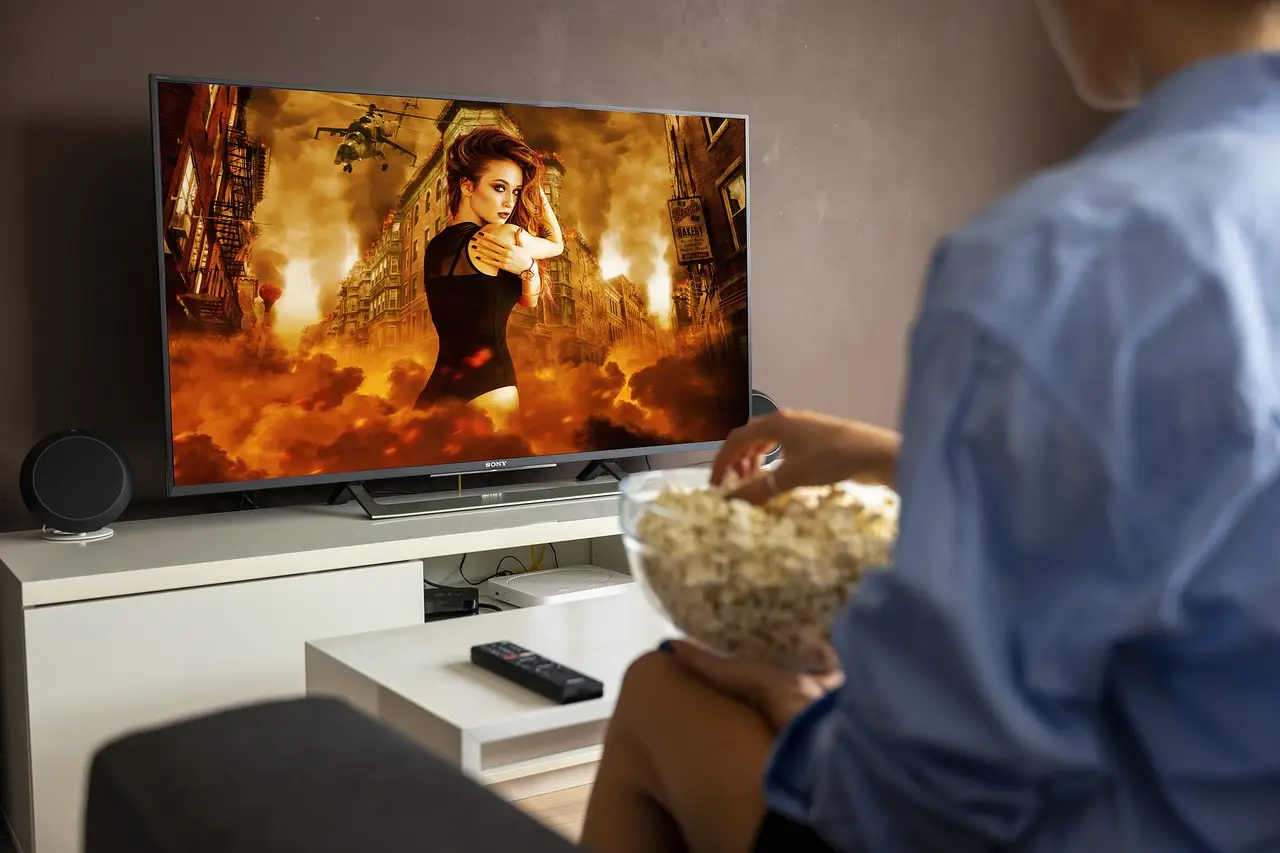
The walls are now business strategy, not decoration. Every network deploys a board operator: Bill Hemmer and his "Bill-board" at Fox News Channel, Steve Kornacki at NBC News, Ali Velshi at MS NOW, Ed O'Keefe at CBS News, Rachel Scott and Rick Klein at ABC News. CNN also keeps Harry Enten and Phill Mattingly on tap.
How far will the networks take the boards?
Quite far. NBC News will run a stand-alone "Kornacki-cam" for digital followers, using new technology that blocks his voice from the linear audio feed so he can address the online crowd without leaving the TV studio.
"We never want Steve to have to stop talking, and we prefer not to put Steve in a different space," says Marc Greenstein, an NBC News executive vice president who oversees Election Night coverage. Anchors Savannah Guthrie and Tom Llamas need "to instantly interact" with Kornacki, he says.
MS NOW will stream a YouTube feed of Velshi and is running a contest to win one of his signature vests. "You won't hear the audio, but you will get the point," says Velshi, noting followers will learn "what the team determined what is going to be important to cover and why."
Hemmer says his data will produce "a brilliant graphic we can cast out on to the studio floor" so viewers "watch the vote count come in to the counties that matter."
ABC News introduces "Vote Shift," visualizing how attitudes have changed since 2024. "When President Trump won, we saw a really dramatic shift across all states toward the Republicans, even in the states that voted for Kamala Harris," says Jenn Metz, executive producer of special events at ABC News.
Why the screens matter to the bottom line
The boards give networks an edge over independent journalists and creators running newsletters, YouTube streams and video podcasts. The information is "reliable. It's accurate. You can trust it," says King, and only a well-funded news organization can build such a system.
"Elections make people tense," King notes. "Our elections of late are so close." Showing how people vote, and why, may reassure viewers.
Critics see a downside: "gamification" of a serious civic night, amplified by orchestral theme music, at a moment when prediction markets and online wagering draw growing interest.
What does mastery require?
Weeks of study, apparently. Velshi calls it "brute force learning, on a daily basis." Hemmer studies at the New York Public Library. King practices on a "miniature version" of the Magic Wall on an iPad, suggesting usability tweaks in his spare time. Software updates, Hemmer says, are like an iPhone upgrade: "You have to learn a new trick, and that's exciting every couple of years."
The hardest skill is escaping a glitch on live TV, clean and quick, so the audience isn't confused. "That takes practice," says Hemmer. King warns against overload: "You don't want to overdo it." With election-integrity skeptics watching, he says, "We also want to be careful not to complicate it so people say 'What did they do?'"
Expect more screens, not fewer. The networks envision future election "multi-casts," with different analysts examining different data on separate live streams. As Velshi puts it, "the visual sense is stronger than the auditory sense."
Source: Variety Film
More from Daniel Okafor
Show full bio
News editor covering companies, deals and strategy in arts in the broadest sense at Arts & Voices.
936 articles