Mara, the DIY Nigerian Dance Sound Outgrowing Its Maker
DJ Khalipha's mara — cruise beats pushed to 140-150bpm — crossed into mainstream Nigerian pop, yet its originators remain stuck in the TrenchTok underground, facing stereotypes, no institutional backing and unpaid labour.
Programme
- DJ Khalipha created mara in 2022 by raising cruise beats from 115-120bpm to 140-150bpm
- Feranmi Abiola, 24, directed the 2025 documentary 'Mara Mania'
- Dancer Obi 'Odogwu Mara' Madubogwu died at 26 in unclear circumstances
- French embassy support took producer Azzi On The Beat to festivals in Uganda and Europe
- Footprints of David Art Academy, founded in 2005 by Seun Awobajo, trained Azzi and his manager Kadima
A 27-year-old producer from Ilorin speeded up a lo-fi Nigerian dance genre to 140-150 beats per minute, renamed it mara, and watched it cross over into mainstream Nigerian pop — while remaining nearly invisible himself.
Lawal Habeeb Kola, known as DJ Khalipha, built the sound in 2022 after a public disappointment. One of his beats had gone viral on TikTok with ad-libbed hypeman vocals, and he travelled to Lagos for the music video shoot. When the video dropped, he did not appear in it once.
"I was in a restaurant and everybody was anticipating seeing me, but my face did not show once," he said. "I felt disgraced. I stopped posting the song."
How mara was made
Khalipha retreated to his hostel room and returned to the DIY "cruise beats" genre, named after the pidgin expression "catch cruise", meaning to joke around. The style uses lo-fi, frantic production with voice samples drawn from Nollywood films and memes, typically running at 115-120bpm.
He pushed the tempo to 140-150bpm, added melancholic undertones, and named the result mara — meaning to lose one's senses. The sound moved from the Lagos underground into the work of mainstream musicians.
What does the crossover change for its creators?
Very little, so far. Feranmi Abiola, 24, who directed the 2025 documentary Mara Mania, said the genre's popularity outran its origins. "It became a trend that every producer and DJ was hopping on," she said. "They were making sounds and whether it was mara sound or not, they would just title it mara fever, mara this, mara that."
Mara spread through choreography as much as production. Dancer Obi "Odogwu Mara" Madubogwu named himself after the sound and posted weekly routines on social media, building street credibility. He died at 26 in unclear circumstances, and his death galvanised interest among young Nigerians for whom posting and answering dance challenges in his style became an escape from poor job prospects in a sluggish economy.
"We've seen area boys [street urchins] switching to become dancers," said producer Azzi On The Beat, an early mara adopter. "The music is spiritual."
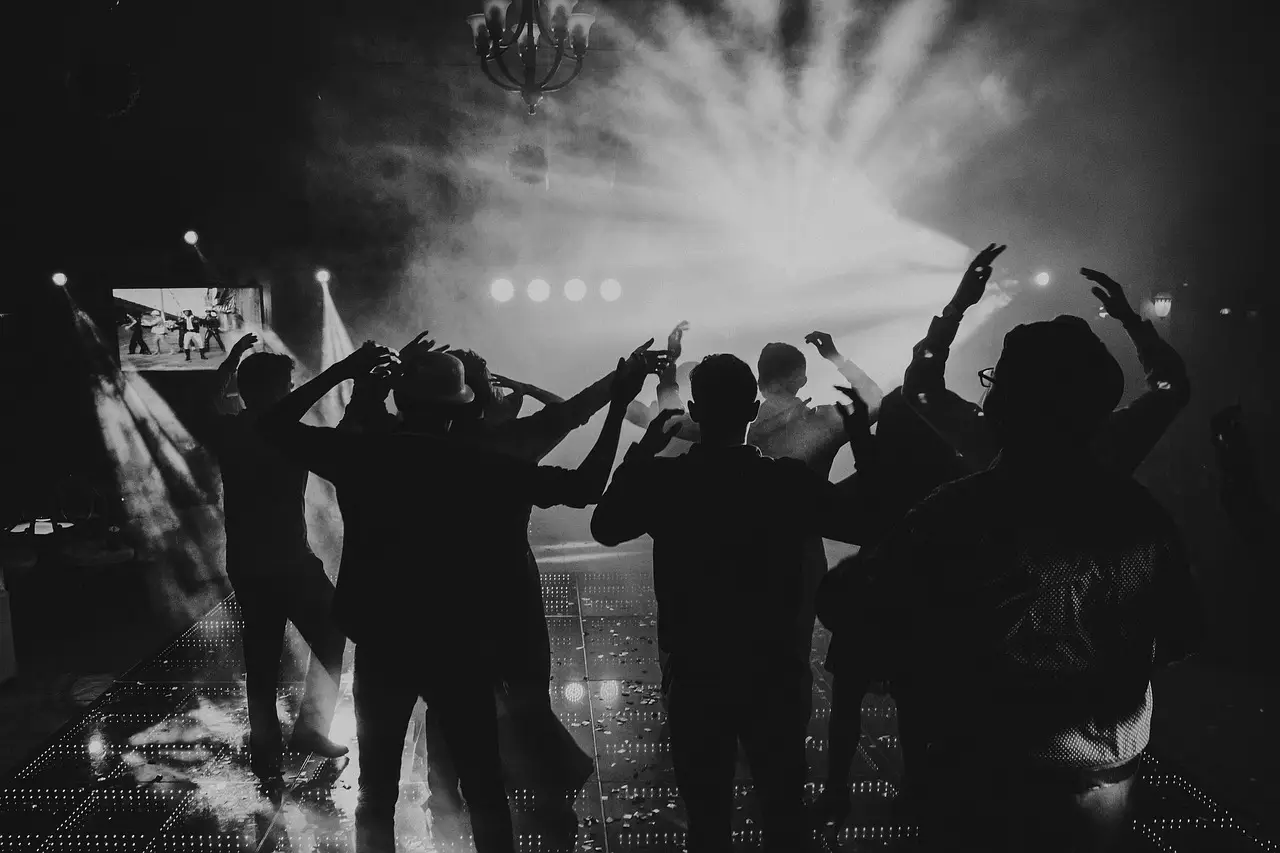
Mara is now a fixture at Nigeria's street-style block raves, popular among young people priced out of nightclub "bottle culture" — the VIP purchase of expensive champagne and spirits as a display of wealth.
The underground tax
Mara's originators remain confined largely to the "TrenchTok" underground scene, without institutional backing. Khalipha said bookers assume mara DJs carry an air of chaos and violence because of the raw sound and its street associations.
"[Mara DJs] are not harmful, but they face stereotypes because of their background, how they look and how they dress," Abiola said. "In my documentary, I wanted people to see these people for who they were … young people innovating and contributing to the cultural identity of this generation. Regardless of where they are from, they deserve to be taken seriously."
When copyright flags hit their samples, the producers taught themselves to build instrumentals from scratch using plugins. Many fund videos and promotion out of influencer earnings or royalties. Female dancers report sexual harassment and financial exploitation. "The financial challenges are more apparent for the dancers, because people don't really take dancers seriously," Abiola said.
Azzi's 27-year-old manager, Sangokunle Anuoluwapo — known as Kadima — shoots most videos in a square of weeds and rubbish, where goats roam beside a woman sieving black-eyed peas. "We do most of our videos here," he said.
Support from the French embassy helped Azzi perform at festivals in Uganda and parts of Europe. Kadima, who once managed several rising industry figures who now help with free funding and promotion, keeps the economics informal: "I understand what we want for this culture so we keep pushing really hard. It's family work, so we try to split revenues among everybody."
Azzi's formation came from the Footprints of David Art Academy, a children's dance theatre troupe founded in 2005 by art director Seun Awobajo, which performed behind Azzi's mother's shop. "[I had] the notion that no child is useless, they are only used less," Awobajo said. "Being proud is an understatement. But I think I feel more fulfilled seeing what they've become because these are children who the upper class of the society have written off."
The question the mara scene has yet to answer is whether its music can travel as far as its choreography already has — and who gets paid when it does.
Source: Guardian Stage
More from Tom Whitfield
Show full bio
Market editor covering people, launches and day-to-day practice in arts in the broadest sense at Arts & Voices.
1,795 articles