Programme
- Giordano's 'Fedora' opened Teatro La Fenice's 2026-27 season on November 15, 2026, after a strike cancelled the scheduled premiere.
- Maria Agresta sang Fedora, with Vincenzo Costanzo as Count Loris Ipanov.
- Donato Renzetti conducted; Hugo de Ana directed and designed the production.
- The story is set in 1881 and based on Victorien Sardou's play written for Sarah Bernhardt.
- Ekaterina Bakanova, Simone Piazzola and the La Fenice Orchestra and chorus rounded out the performance.
Maria Agresta turned an improbable heroine into a believable woman at Venice's Teatro La Fenice on Sunday, November 15, when Umberto Giordano's "Fedora" finally opened the house's 2026-27 season. The scheduled premiere had been called off due to a strike, so the first cast made its debut a day later than planned.
"Fedora" occupies an odd place in the Verismo canon. Its plot revolves around the Russian aristocracy rather than ordinary people, and its problems begin with Victorien Sardou's play of the same name, a vehicle seemingly written solely to showcase Sarah Bernhardt's talent. The story, set in 1881, does not improve in Arturo Colautti's libretto.
Princess Fedora Romazov vows to avenge her fiancé, murdered in St Petersburg on the eve of their wedding. She tracks the assassin, Count Loris Ipanov, to Paris, wins his heart and arranges his arrest. Then she falls in love with him, once he proves her dead fiancé's infidelity. The couple retreats to her Swiss villa, where Loris learns that one of Fedora's letters, sent to Russia before she knew the truth, caused the deaths of his brother and mother. Fedora kills herself.
Messy and implausible as the story remains, Giordano supported it with a remarkably complex and engaging orchestral score. The vocal writing reaches deeply poignant heights at crucial moments — at least with a proficient cast. La Fenice had one.
What makes this production work?
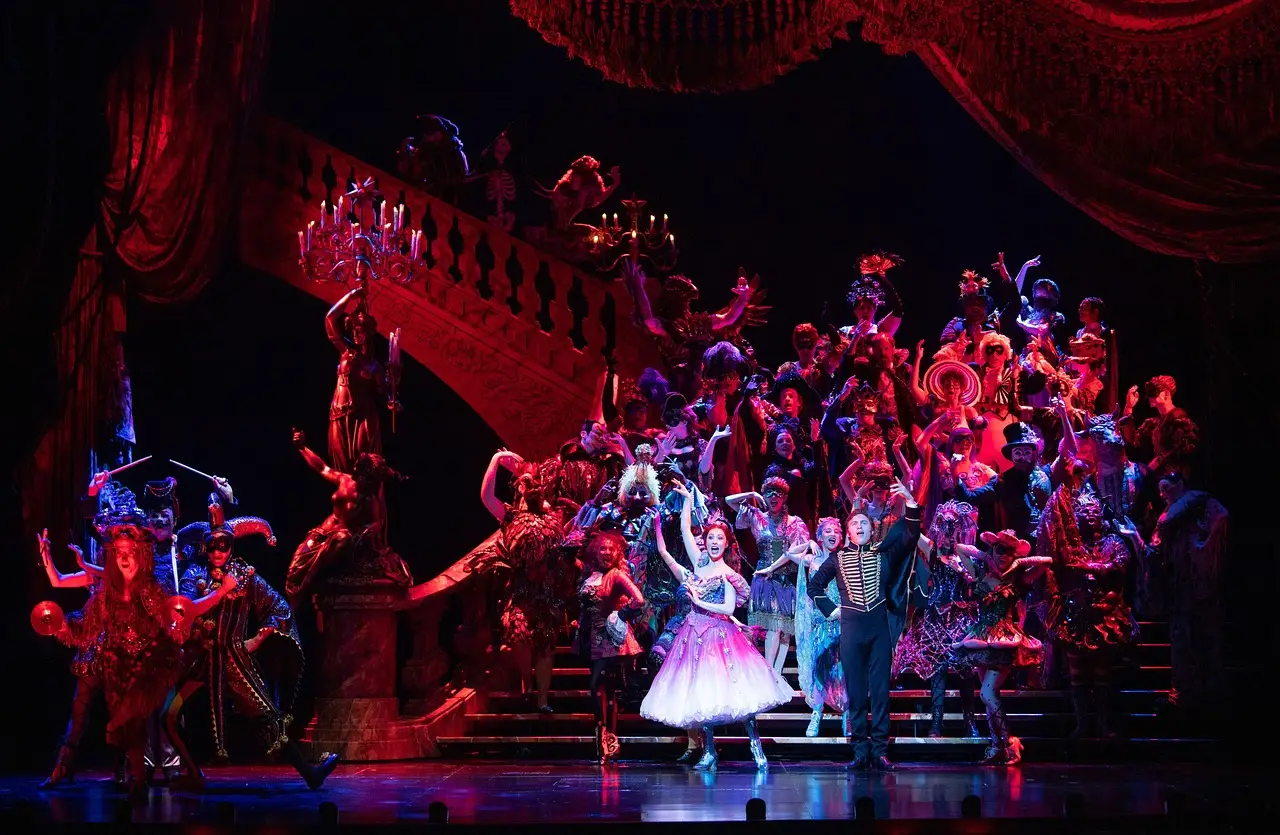
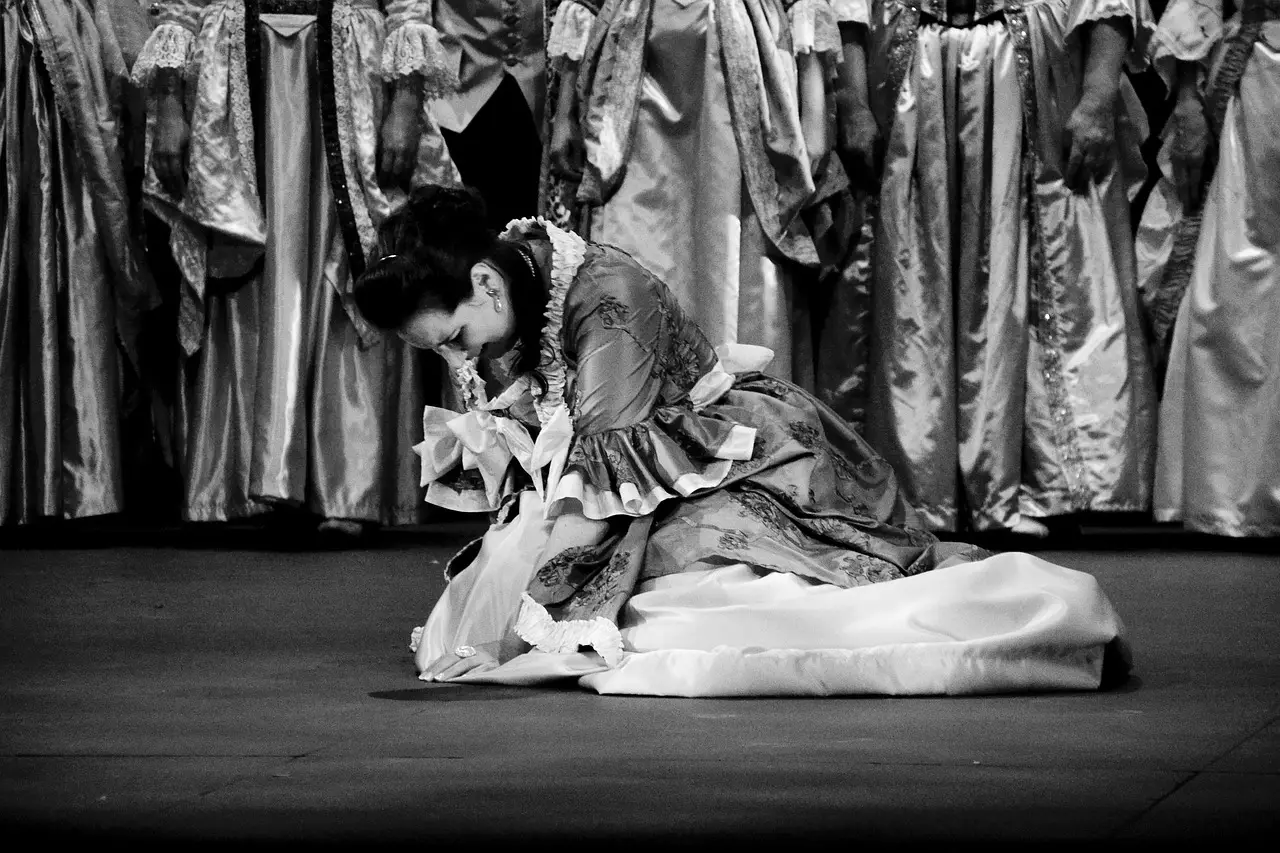
Agresta may well be the Fedora of the moment. A refined actress, she made the princess passionate, mercurial and ultimately doomed. Her death scene proved especially moving. Her voice was penetrating and supple, with beautifully focused chest notes of real dramatic impact in the parlando passages; the upper register was solid, crystal-clear and exquisitely spun, with control of vocal production close to perfection. Through stage presence and musical artistry, she simply dominated the show.
Vincenzo Costanzo's Loris was at once martyr-like and resolute, and he conveyed both sides impeccably. His voice, free-flowing and resonant throughout the registers, was distinguished by a lush, enveloping timbre and remarkable expressive intensity.
Ekaterina Bakanova's Countess Olga Sukarev began somewhat subdued but grew into a truly delightful portrayal of the frivolous young lady. Simone Piazzola was outstanding as De Siriex. Chiara Brunello (Dimitri and the Savoyard boy), Carmine Riccio (Desiré and Rouvel) and Fabrizio Brancaccio (the coachman Cirillo) also deserved mention.
A score rendered in detail
On the podium, Maestro Donato Renzetti proved a meticulous interpreter of the demanding score — unfailingly attentive to phrasing and dynamic nuances while keeping impeccable coordination between pit and stage, bringing out every detail the composer suggested without compromising the musical architecture. The Teatro La Fenice Orchestra, remarkably sensitive and dedicated, blended the score's symphonic, melodramatic and purely operatic dimensions with particular skill. The chorus, prepared by Elena Pierini, made a highly appreciated contribution.
Hugo de Ana's staging, faithful to the original period setting, radiated freshness and charm. His set and costume designs matched the quality of his direction, producing an exceptionally harmonious whole. Michele Innocente's video projections made the plot easier to follow, and Valerio Alfieri's lighting design supplied the final emotional touch.
What does this change for Venice's season? A strike-delayed premiere rescued by a cast of this caliber sets a high bar for the rest of La Fenice's 2026-27 programming, and confirms Agresta as the soprano of record in this repertory.
Source: Opera Wire
More from Marcus Bennett
Show full bio
Staff writer covering people, launches and day-to-day practice in arts in the broadest sense at Arts & Voices.
1,703 articles