Marie Clements Premieres 'Reclaim My Skin' at VIFF After Top Prize
Three days after winning a top VIFF prize for 'Where We Stand,' Marie Clements premieres her three-part musical documentary 'Reclaim My Skin' on October 10, an inquiry into Indigenous women's lost power.
Programme
- VIFF screens 'Reclaim My Skin' on October 10.
- Marie Clements won a top prize at VIFF for 'Where We Stand' three days earlier.
- 'Reclaim My Skin' is structured as a three-part musical documentary series.
- The series features an interview with Gloria Steinem in New York with activists Louise Wakerahkats:te Herne and Michelle Schenandoah.
- Musician and composer Pura Fé co-conceived the project and performs in it.
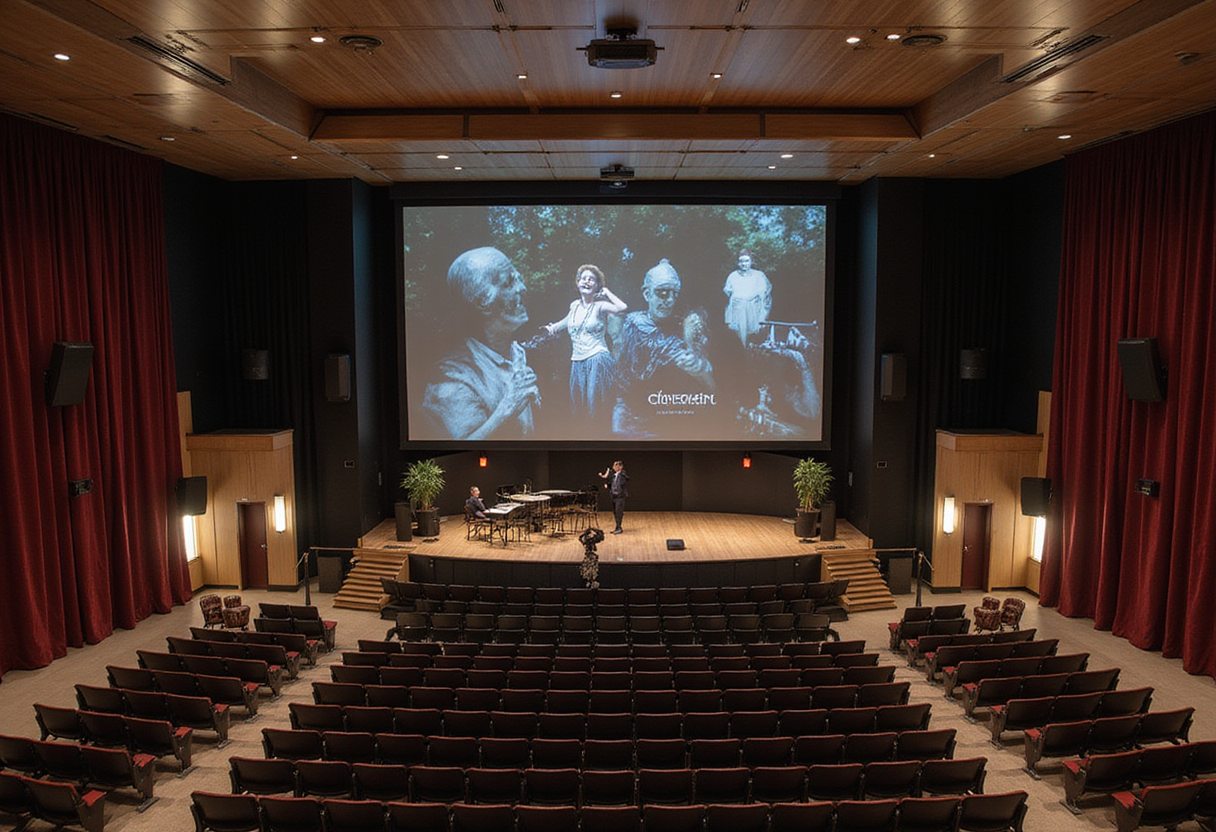
Marie Clements stepped onto the Vancouver International Film Festival stage this week a prize-winning filmmaker. Three days before her three-part musical documentary series "Reclaim My Skin" screens at VIFF on October 10, the Métis/Dene director collected a top prize for her feature "Where We Stand."
The series charts how colonization stripped Indigenous women and Two-Spirit people of their authority, and how they are reclaiming it through activism, politics and the arts. Clements frames the project as both documentary and musical, weaving what she calls "story songs" through its narrative spine.
"Reclaim My Skin" grew from conversations between Clements and musician and composer Pura Fé, whose performance anchors the series. Fé proposed the central inquiry: how Indigenous women lost power, and how they have risen to take it back.
What does Clements bring to the project?
"I just kind of felt that the cellular level of the power of women is extraordinary," Clements told Variety. "And you definitely feel it when you're in rooms with them, but also just the idea that it's not just one voice. It's going to take hundreds of voices to create a seismic change."
What role does music play in the storytelling?
Clements structures the film around "story songs," a method she first developed in her 2017 music documentary "The Road Forward." Music, she argues, opens audiences to histories mainstream cinema resists.
"It's a way to touch people and kind of blow open the world a little bit and look at story in a way that can be embraced," she said. "Because no matter who we are, there's this kind of universal language of music that we lean into."
What does Steinem's interview reveal?
Among the documentary's most prominent set pieces: a sit-down with Gloria Steinem, recorded in New York alongside Indigenous activists Louise Wakerahkats:te Herne and Michelle Schenandoah.
Clements draws from the encounter a counter-history of feminism. Before European settlement of Turtle Island, she argues, Indigenous women held leadership roles, equal or elevated social status and spiritual authority within their nations.
"They were leaders that held equal status or elevated status in the world order," she said. "When we think of settler women coming, we always think that settler women had more authority, more power over their lives and what was happening in the world. And actually, that's exactly opposite. Indigenous women had more power before people came to Turtle Island."
Clements credits Steinem with recognizing that early white suffragettes learned directly from Indigenous women, especially in the eastern United States where paths crossed more often.
"These early conversations, I think, were instrumental in the feminist movement," Clements said. "That Gloria Steinem recognized this, and that these other matriarchs understood that relationship and understood how that changed the trajectory of feminism, I think is really kind of cool, because not a lot of people would put those things together."
Why 'witness' is the operative word
The series rests on a specific ethic of reception. Authors Clements read as a child, including James Baldwin, shaped her belief that audiences function as witnesses to contemporary life rather than passive viewers.
"I think there's something about that as an artist: We're here to witness what's happening in the world, while we're here, while we're experiencing it," she said.
The exchange, she adds, runs in both directions. Audiences witness the artist's account; artists witness their moment.
"They are also witnesses to a time and to what artists are saying about this time," she said. "And so it's a very active and very present dialogue."
How does Clements frame the current moment?
Clements calls this a "Renaissance time for Indigenous filmmakers," with more Indigenous artists working in front of and behind the camera than at any point in her career.
"There's so much talent now," she said. But the momentum, she warns, depends on continued support for work that surfaces perspectives mainstream audiences rarely encounter.
"I think we're hungry for true experiences and true perspectives, and not just being generic storytelling," she said. "We actually want to understand different points of view."
VIFF's "Where We Stand" prize and the "Reclaim My Skin" premiere together mark a high-visibility week for a director whose hybrid cinematic-musical experiments have begun to draw the institutional recognition Indigenous nonfiction has long been owed.
Source: Variety Film
More from Marcus Bennett
Show full bio
Staff writer covering industry trends and analytics at Arts & Voices.
361 articles