Millions Across India Celebrate Diwali as Delhi's Firecracker Ban Looms
Millions celebrated Diwali across India on Sunday, from earthen lamps in Varanasi to a Hanuman drone show in Delhi, as a firecracker ban returns to the capital on 9 November.
Programme
- Millions across India celebrated Diwali on Sunday, the Hindu festival of lights marking 'light over darkness'.
- India's supreme court permitted only certified green firecrackers during set hours; a complete ban returns in Delhi from 9 November.
- Diwali is mentioned in early Sanskrit texts composed between the 7th and 10th centuries.
- Delhi's government staged Dilli Ki Diwali at Central Park, Connaught Place, with a drone formation of Lord Hanuman.
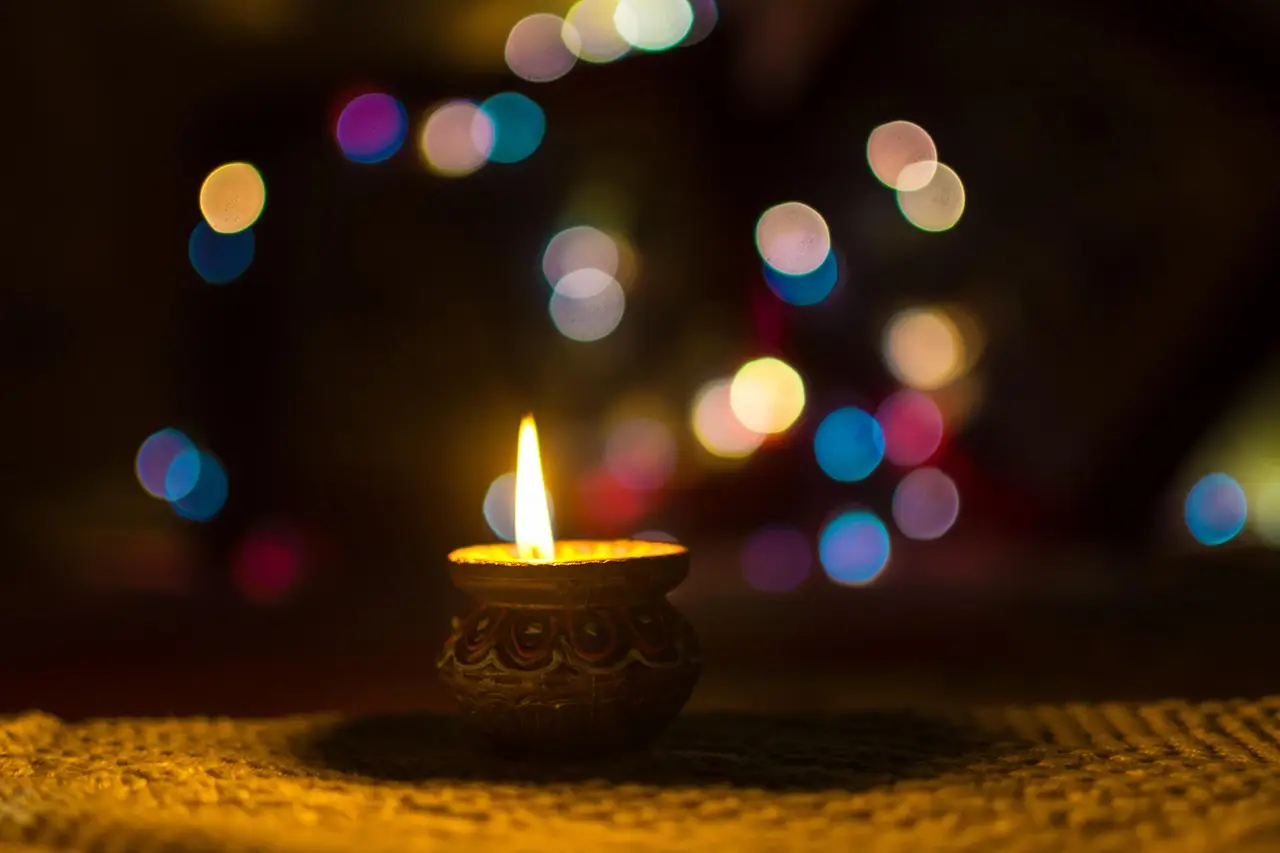
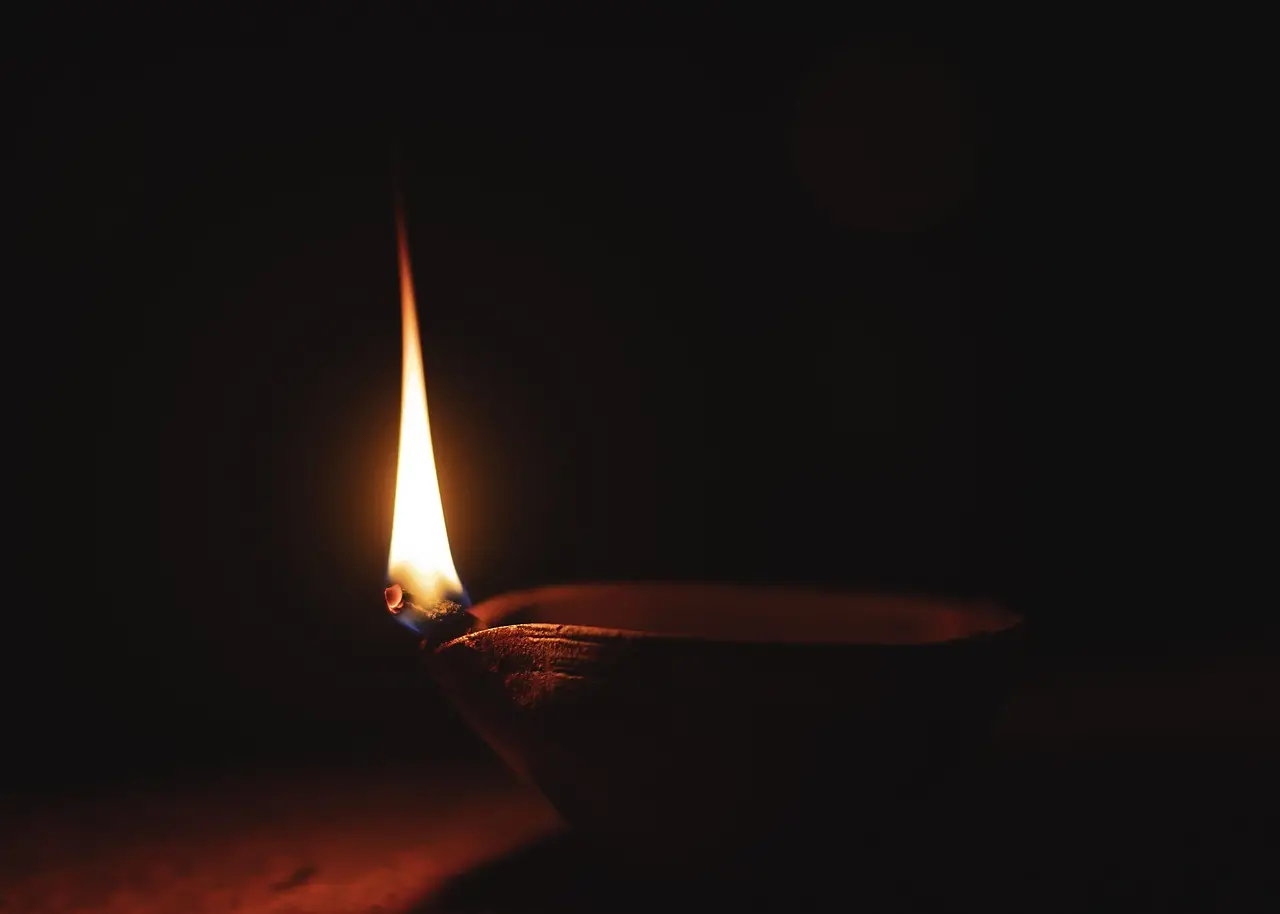
Millions of people across India celebrated Diwali, the Hindu festival of lights, on Sunday, lighting traditional earthen lamps, decorating their homes and gathering with family and friends. The festival marks the spiritual triumph of 'light over darkness,' and this year's celebrations ran from Hyderabad's firecracker-lit streets to a drone formation of Lord Hanuman over New Delhi.
But the pictures from the capital carry a policy edge. India's supreme court allowed the sale of certified green firecrackers — lower-emission versions of conventional crackers — and permitted their use only during certain hours throughout Diwali. A complete ban on firecrackers is restored from 9 November as authorities seek to curb air pollution in New Delhi, where levels remain high.
What does the festival look like on the ground?
In Varanasi, a student from a Hindu religious school lit earthen lamps in front of Mani Mandir, a monument commemorating Lord Rama's return to his kingdom, Ayodhya, after a 14-year exile. In Srinagar, Jammu and Kashmir, Hindu devotees performed rituals and decorated floors with rangoli — intricate patterns made from colored powders — while a paramilitary soldier stood guard near the Ghanta Ghar, the city's Clock Tower.
In Ahmedabad, businessmen prayed in front of their record-keeping books as part of a ritual worshipping the Hindu wealth deity Goddess Lakshmi. And in Kolkata, devotees and families gathered with sparklers and firecrackers for Kali Puja, which is observed in West Bengal on the night of Diwali. In Siliguri, West Bengal, devotees worshipped an idol of Goddess Kali at the Kali Puja festival, while participants in Kolkata performed a martial arts display on the eve of both festivals.
The Delhi government organised its own spectacle: Dilli Ki Diwali at Central Park, Connaught Place, where a drone formation depicting Lord Hanuman illuminated the night sky.
How old is the festival?
Diwali is likely a fusion of harvest festivals in ancient India, and it is mentioned in early Sanskrit texts composed between the 7th and 10th centuries. That lineage explains the festival's layered imagery: lamps for Rama's homecoming, ledger books for Lakshmi, floor art for prosperity.
What does this change for Delhi?
For residents of the capital, the practical question is air quality. Firecrackers went off on roadsides and outside residential homes across New Delhi even as pollution stayed high. The 9 November ban restores a complete prohibition, meaning the window for legal fireworks — limited to certified green crackers in set hours — has now closed. Whether enforcement changes the city's air, and whether next year's Diwali follows the same pattern, remains the open question for authorities and celebrants alike.
Source: theguardian.com
More from Grace Kim
Show full bio
Correspondent covering technology and product news in arts in the broadest sense at Arts & Voices.
1,242 articles