Priya Ojha waited in the cold for a phone photo at Yamuna Ghat
Priya Ojha reached Yamuna Ghat after leaving home at 5am in December 2021, waited through dense fog, and photographed layered boats, seagulls and returning activity around 8am.
Programme
- In late December 2021, Ojha left home at 5am to photograph Yamuna Ghat in New Delhi.
- Around 8am, someone announced “Dhoop aa gayi” as priests and boat riders began their routines.
- A boy asked Ojha to help him make his first boat ride in exchange for showing her the ghat.
- Ojha says two layered boats created depth, alongside hundreds of swirling seagulls and other visitors.
- She called the result “this painting-like picture of the ghat” and said it was what she had set out for.
By Tom Whitfield
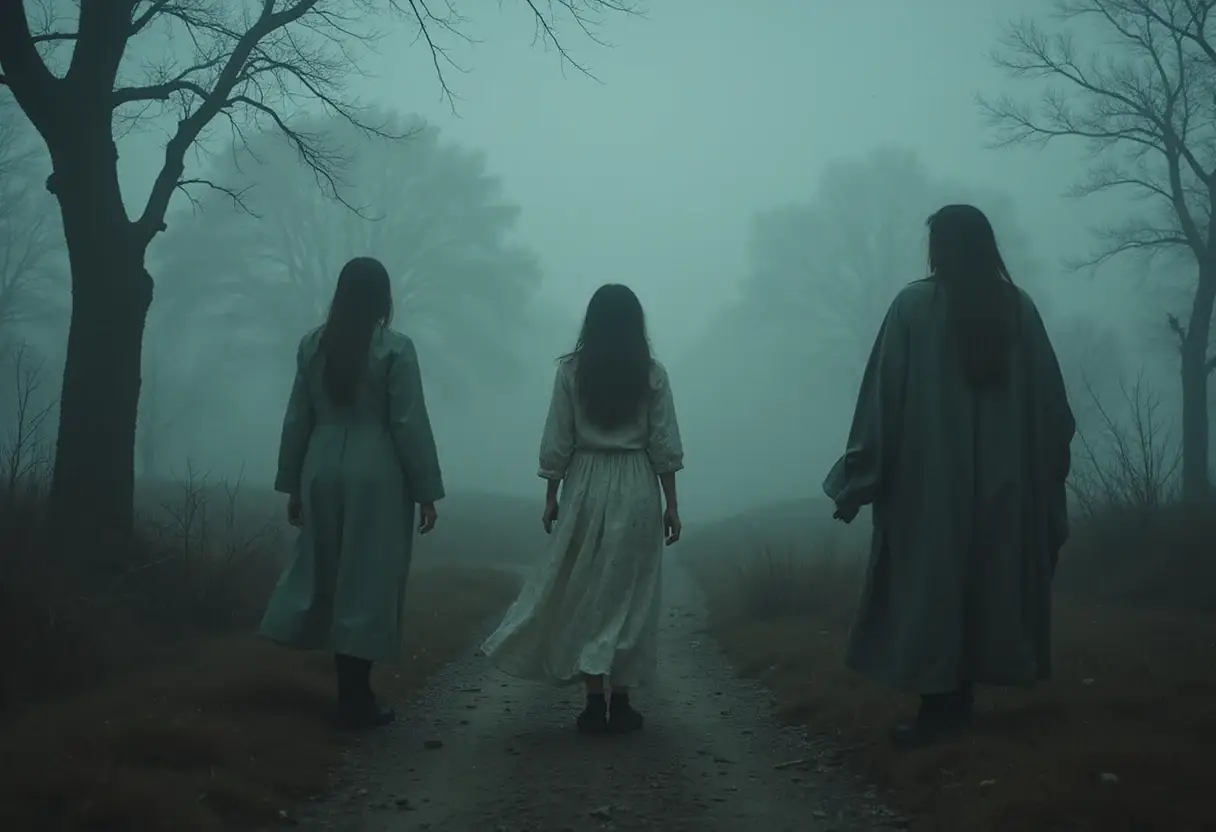
At 5am in late December 2021, Priya Ojha left her home in New Delhi to photograph Yamuna Ghat, which she described as one of India’s most sacred rivers. Dense fog reduced visibility and left the ghat almost completely silent when she arrived.
Ojha recalled her disappointment: “Visibility was so low that all I could do was wait in the cold.” She said she had left home specifically to capture shots, but her first view concealed the scene she had expected.
Around 8am, she heard someone announce that the sun’s rays had come out, using the phrase “Dhoop aa gayi.” Ojha said the call proved right. Local priests started their daily routines, boat riders took out their craft for business, and the place she had first seen as a graveyard slowly became lively.
Her account does not identify the person who made the call. It does establish a clear sequence: low visibility came first, ordinary activity followed the morning light, and Ojha remained there long enough to witness both changes.
A boy appeared beside her. He asked Ojha to help him make his first boat ride and offered to show her the ghat in return. Ojha said she agreed; the exchange led her to the scene she photographed. Her account does not specify the route or vantage point he provided, only that his offer brought her to it.
What does the wait change for the photograph?
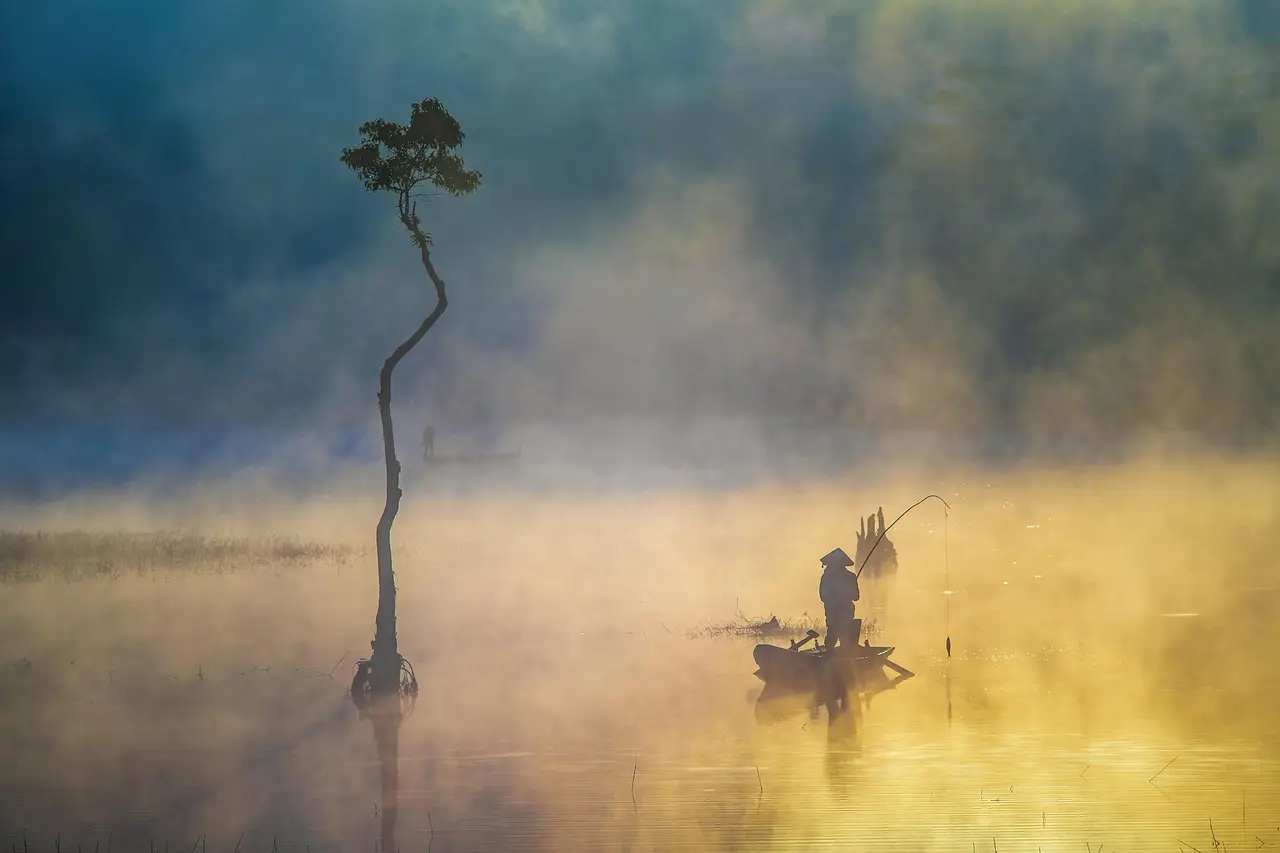
It changes what the frame can contain. Ojha said the two boats, layered between the foreground and background, gave the picture depth and made it feel more lively.
She also captured what she called the majestic place, hundreds of swirling seagulls, and people who had come, like her, to experience its beauty. Her stated aim widened from scenery alone to a scene shared with other visitors.
Looking back, Ojha linked the finished photograph to her patience that morning. “My reward was this painting-like picture of the ghat,” she said. “Just what I had set out for.” Her judgment rests on the fit between her initial purpose and the scene she eventually found, not on a claim that the phone produced the picture on its own.
The account does not name her phone, its settings, any editing software, or whether she took more than one shot. Nor does it provide independent confirmation of the boy, boat riders or priests. Those omissions limit the story as technical evidence, although Ojha’s firsthand account is specific about time, weather, activity and composition.
For a reader planning a similar early-morning shoot, the useful lesson is modest: leave time for visibility and activity to change, then judge the result by depth, movement and human presence as well as scenery.
Ojha’s account does not guarantee that waiting will improve a photograph, but it identifies what did change her frame: the ghat went from fog and silence to boats, work and people.
Source: theguardian.com
More from Tom Whitfield
Show full bio
Market editor covering people, launches and day-to-day practice in arts in the broadest sense at Arts & Voices.
1,116 articles