Milwaukee Museum Returns Two David Drake Jars to His Heirs
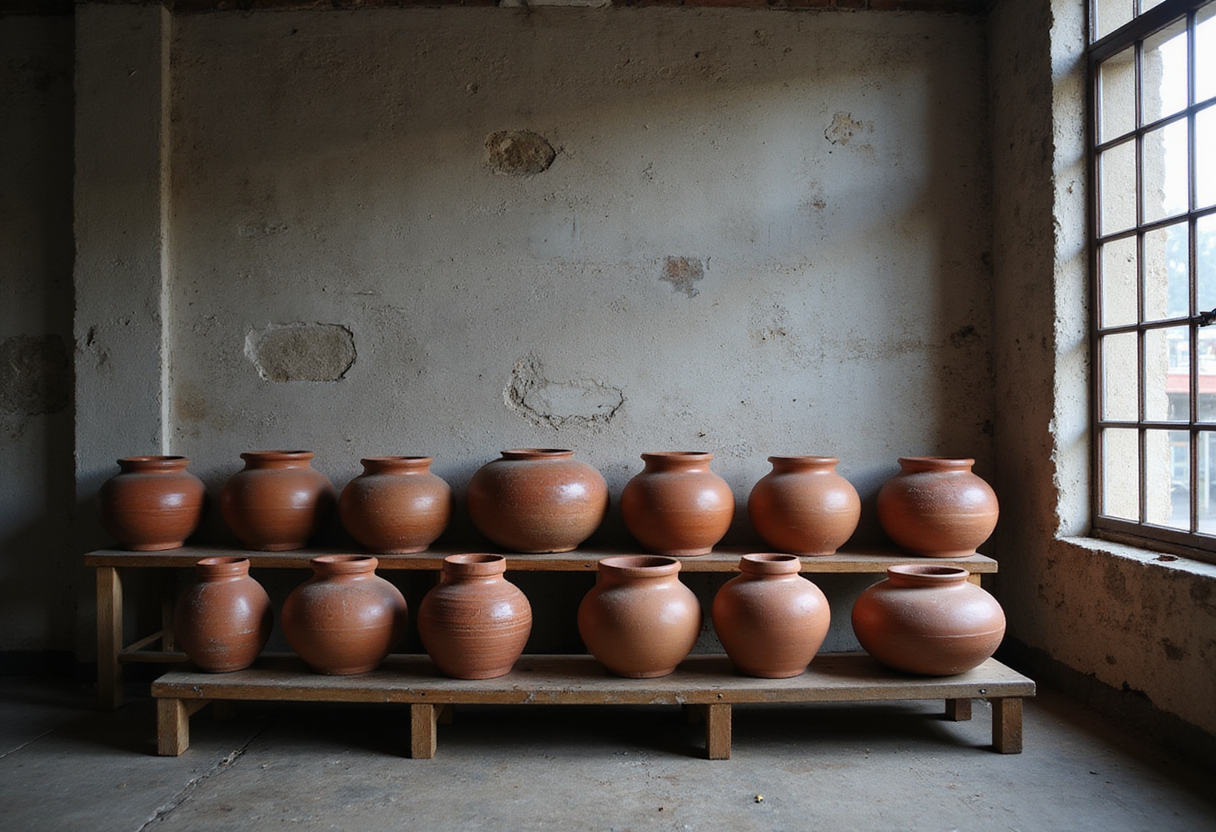
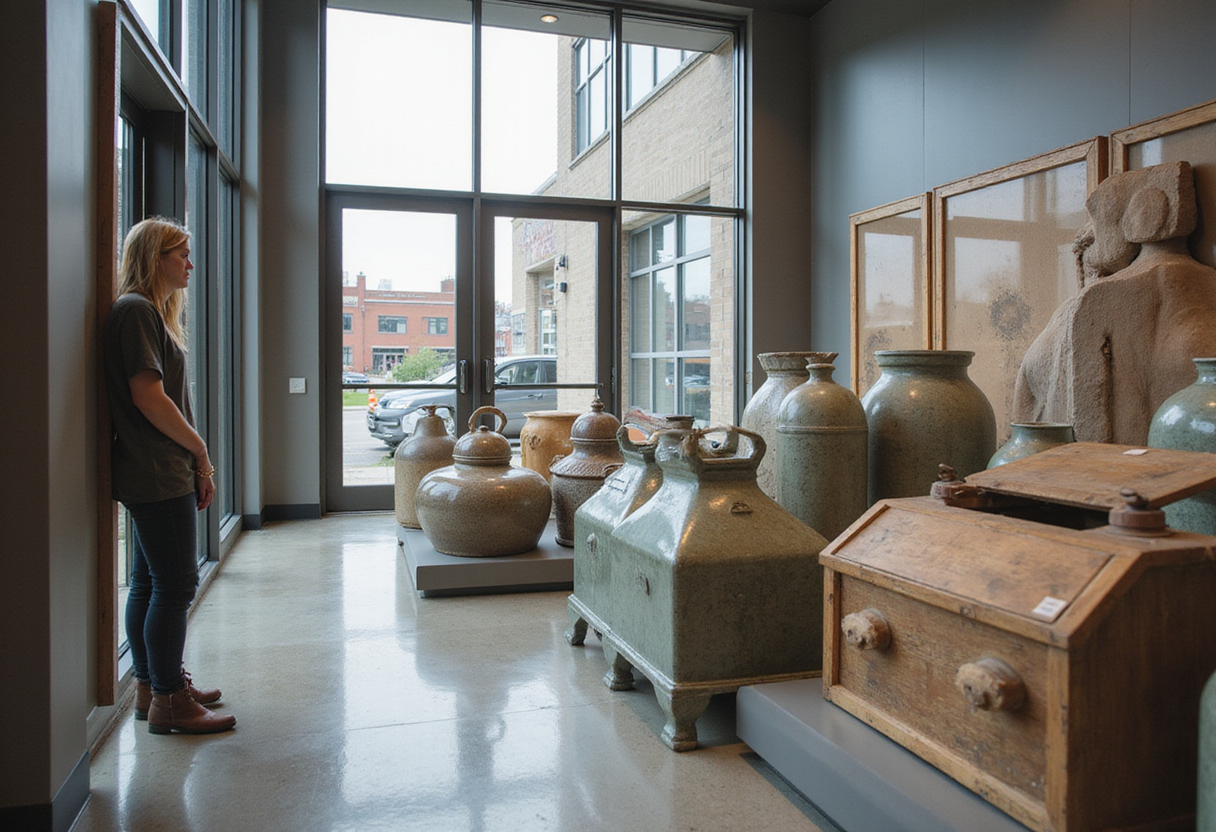
The Milwaukee Museum restituted two stoneware jars by enslaved artist David Drake to his family descendants, keeping both vessels on view as institutions increasingly address slavery-era holdings.
Programme
- Two stoneware jars by enslaved artist David Drake were restituted by the Milwaukee Museum to his family descendants
- Both jars remain on display at the museum after the transfer of legal title
- The heirs now hold legal title to both vessels
- The Milwaukee Museum has joined a growing list of institutions returning Drake's work to his heirs
- The arrangement preserves public access while correcting title
The Milwaukee Museum restituted two stoneware jars by enslaved artist David Drake to his family descendants. Both vessels remain on display after the transfer. The museum joins a growing list of institutions returning Drake's work to his heirs.
What does the Milwaukee agreement change?
It suggests museums need not choose between restitution and access. The institution found a way to keep both jars on display while transferring legal title to the heirs. Other museums holding Drake's stoneware now have a working model to study. The heirs gain formal recognition of their claim. The museum retains the public dimension of its collection. The deal could inform negotiations currently underway at peer institutions across the country, particularly those holding signed works by enslaved craftspeople facing similar restitution claims from descendants.
The arrangement also shifts how the museum presents the jars. Labels, wall texts, and provenance research will all require adjustment. Curators must now account for the transfer when explaining the work to visitors and researchers who arrive expecting a simple museum label. The interpretive task grows more delicate with each restitution, and the Milwaukee agreement will likely require a revised presentation in the galleries where the jars appear.
A widening field of returns
The Milwaukee decision follows similar restitutions at other institutions holding Drake's work. The trend is not confined to a single museum type. Both public and private collections have engaged with Drake's heirs in recent years. Each case has produced its own outcome. The pattern points to a broader reckoning with slavery's imprint on American decorative arts and the legacy of unfree labor in collections built during the nineteenth century.
Museum professionals have watched the trend closely. Restitution claims now arrive with regularity from descendants of enslaved craftspeople. Institutions must decide whether to contest, negotiate, or proceed with transfers. The Milwaukee agreement offers one negotiated path. It preserves visibility while correcting title. It also avoids the protracted legal battles that have followed some past restitution efforts in other collecting fields.
The artist and the jars
The two restituted jars were produced by Drake while he was enslaved. The Milwaukee Museum returned the pieces to his descendants, who now hold legal title to both. The heirs have agreed to keep the vessels on view. The arrangement returns a measure of stewardship to the family line and preserves the museum's interpretive, scholarly, and educational function for the foreseeable future.
The heirs will now have a formal voice in how the jars are presented. That voice has not always existed in the museum's relationship to enslaved makers whose work entered public collections during the nineteenth century.
What comes next for the Milwaukee Museum
The institution has not indicated whether further restitutions are planned. It also has not detailed the negotiation behind the Drake transfer. The heirs have not commented publicly on the arrangement. Both jars will remain on view at the museum in the coming months.
The Milwaukee decision will be studied by other institutions facing similar questions. Each case will require its own negotiation with heirs. The Milwaukee agreement now stands as a reference point for trustees and curators weighing what to do with works tied to slavery's legacy. The next round of cases will test whether the Milwaukee model can travel to other collections held by American and European institutions still weighing their options.
Source: NYT Arts
More from Marcus Bennett
Show full bio
Staff writer covering people, launches and day-to-day practice in arts in the broadest sense at Arts & Voices.
460 articles