Paris Opera to Mount Ring Exhibition at Palais Garnier
The Opéra National de Paris opens 'Richard Wagner, les révolutions du Ring' at the Palais Garnier on Oct. 27, 2026, paired with Calixto Bieito's new Ring cycle at Bastille through Feb. 20, 2027.
Programme
- Exhibition opens Oct. 27, 2026 and runs through Feb. 20, 2027 at the Palais Garnier
- Co-organized with the Bibliothèque nationale de France and drawing on more than 100 works from BnF holdings, museums, and private collections
- Coincides with Calixto Bieito's new production of Wagner's 'Der Ring des Nibelungen' at the Opéra Bastille
- Open daily 10 a.m. – 5 p.m.; admission included with a self-guided Palais Garnier visit ticket
- Accompanied by a catalogue edited by Marion Mirande and Olivier Mabille, published jointly by the Paris Opera and GrandPalaisRmn Éditions
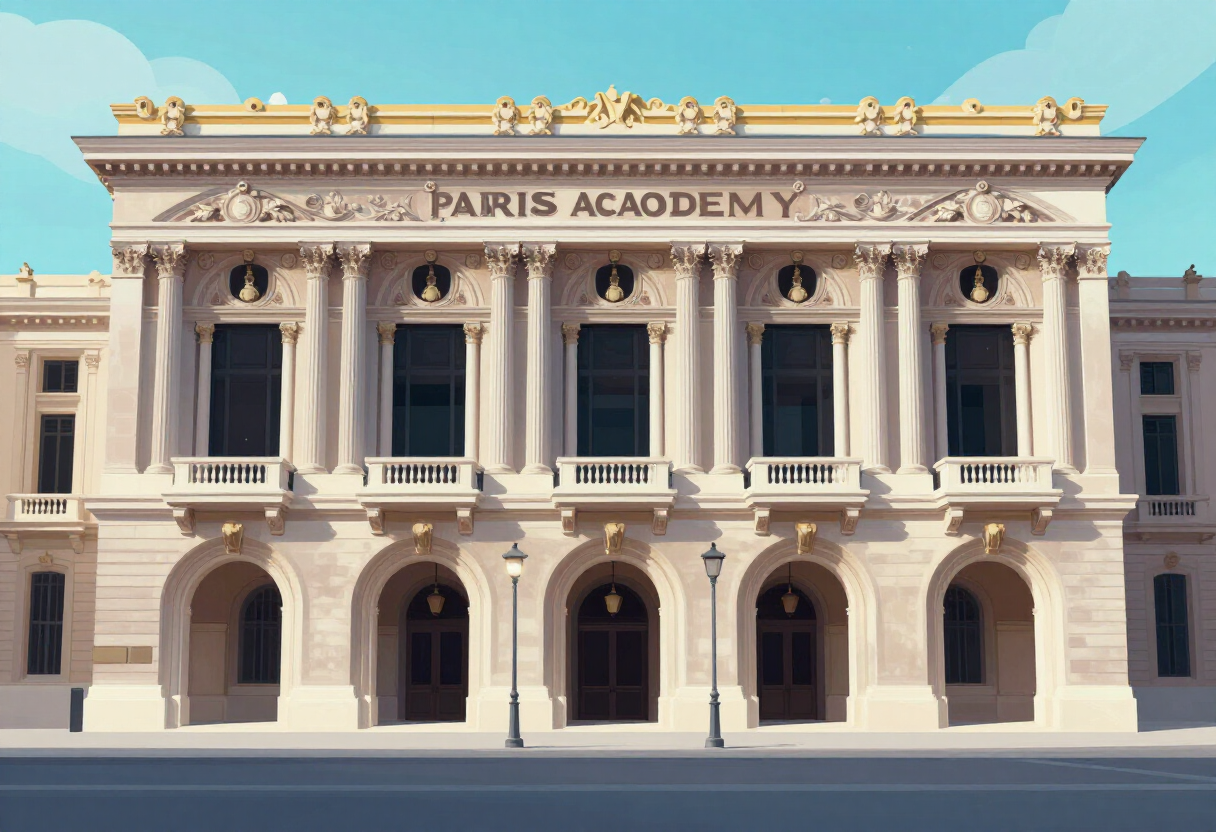
The Opéra National de Paris will open "Richard Wagner, les révolutions du Ring" at the Palais Garnier on Oct. 27, 2026. The exhibition closes Feb. 20, 2027, running just under four months inside the company's historic opera house.
It coincides with a new production of Wagner's "Der Ring des Nibelungen" — the four-opera tetralogy (a four-part cycle) — at the Opéra Bastille, directed by Calixto Bieito. The pairing turns the 2026-27 Paris season into a Ring hub. Documents at Garnier. Performance at Bastille.
What does the exhibition actually trace?
The show, co-organized with the Bibliothèque nationale de France (BnF, France's national library), draws on more than one hundred works from BnF holdings, partner museums, and private collections. Curators framed the project around two questions: how did Wagner build the cycle, and how have later artists reworked it?
The genesis half leans on manuscript material: libretti, prose drafts, and the correspondence that shaped the mythic arc of gods, dwarfs, and heroes. The second half follows the Ring's afterlife across theater, painting, and cinema.
Why pair a show with a new staging?
Programming a museum show to coincide with a fresh Ring is itself a curatorial choice. It lets the company treat one work across two formats. Documents at one venue, performance at another — walking distance apart in central Paris.
That dual track also gives the public a research entry point. Visitors can read Wagner's own papers at Garnier, then cross town to watch what Bieito and his team do on stage. The exhibition becomes a reading room for the production, not just a companion gift shop.
Who else worked on the catalogue?
The accompanying catalogue is edited by Marion Mirande and Olivier Mabille. It comes out jointly from the Paris Opera and GrandPalaisRmn Éditions (the publishing arm of Paris's Grand Palais museum complex). The book will likely extend the show's reach beyond its four-month run.
Loans from private collections also feature prominently. Organizers haven't yet itemized those holdings.
How does a visitor actually see it?
- Dates: Oct. 27, 2026 – Feb. 20, 2027
- Hours: daily, 10 a.m. – 5 p.m., with occasional closures
- Tickets: included with a self-guided Palais Garnier visit
- Venue: Palais Garnier, Place de l'Opéra, Paris
What does this change for Wagner audiences?
For Paris, the timing offers a year-long Ring hub. Visitors read the source documents at Garnier, then cross the city to see Bieito's staging at Bastille. The dual programming gives audiences both a research entry point and a contemporary interpretation, in a season when major opera houses compete to claim the cycle.
— Grace Kim
Source: Opera Wire
More from Grace Kim
Show full bio
Correspondent covering technology and product news in arts in the broadest sense at Arts & Voices.
435 articles